Why choose loose-leaf herbal teas for effective and natural herbal medicine?
Loose-leaf herbal teas are one of the most traditional, simple, and effective ways to consume medicinal plants. This time-honored preparation, at the heart of all natural medicines, relies on the gentle extraction of a plant’s active ingredients in hot water. Herbal tea thus allows you to reap the benefits of leaves, flowers, aerial parts, and sometimes roots or bark, depending on the plant species in question.
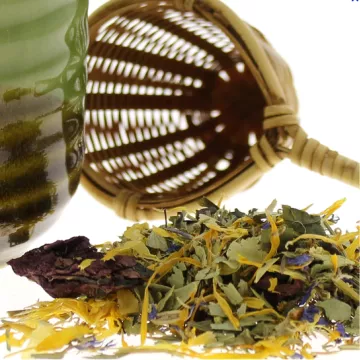
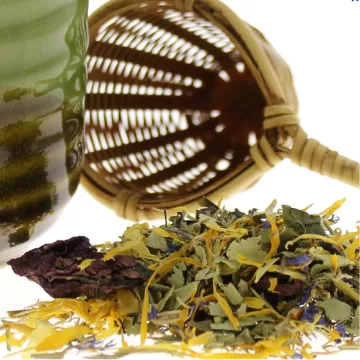
Unlike ready-to-use tea bags, loose-leaf herbal teas offer superior quality, both in terms of sensory characteristics (taste, aroma, texture) and therapeutic benefits. The plants are less processed, better preserved, and visually identifiable, allowing you to fully benefit from their potential.
Whether you’re looking for a soothing herbal tea to help you sleep, or an infusion to aid digestion, promote drainage, support respiratory health, or replenish minerals, loose-leaf tea allows for a personalized, tailor-made approach that respects both the plant and the body.
What is the difference between an infusion, a decoction, and a macerate?
It is essential to distinguish between the different methods of aqueous extraction in herbal medicine in order to adapt the preparation to the nature of the plant:
- Infusion: Pour simmering water over the plant (often tender parts such as leaves or flowers), cover, and let steep for 5 to 10 minutes before straining. This method is ideal for plants rich in volatile or water-soluble compounds.
- Decoction: used for harder parts such as bark, roots, or seeds. The plant is placed in cold water, brought to a boil, and then simmered for 10 to 20 minutes. This method extracts active ingredients that are less soluble when heated.
- Aqueous maceration (cold infusion): for plants rich in mucilage or sensitive to heat (such as poppy or mallow). The plant is left in water at room temperature for several hours to preserve its properties.
Infusions remain the most common method for the simple and quick daily consumption of loose medicinal herbs.
What are the benefits of loose-leaf herbal teas depending on the plants chosen?
Loose-leaf herbal teas can address a wide range of physiological needs, whether for prevention or support:
Soothing and Sleep-Promoting Herbal Teas
- Linden: a gentle relaxant, recommended for nervousness or sleep disturbances
- Lemon verbena: a mild sedative with a very pleasant taste
- Passionflower, hawthorn, lemon balm: calm mental restlessness and help you fall asleep
Digestive herbal teas
- Peppermint, fennel, green anise: stimulate digestion, reduce bloating
- German chamomile: antispasmodic, digestive, and anti-inflammatory
- Rosemary, sage: bitter tonics for the liver and digestive system
Draining and purifying herbal teas
- Stinging nettle, dandelion, birch: stimulate elimination functions (liver, kidneys)
- Meadowsweet, black currant, ash: natural anti-inflammatories that support the joints
- Cherry stems: mild diuretic, used to promote urinary drainage
Respiratory herbal teas
- Thyme, eucalyptus, plantain: expectorants and antiseptics that relieve coughs
- Mullein, poppy: soothe bronchial irritation and soften the mucous membranes
Immune-boosting and winter season herbal teas
- Echinacea, rosehip, elderberry: boost the body’s natural defenses
- Ginger, cinnamon, cloves: warm and energize the body
Why choose loose-leaf herbal teas over pre-packaged tea bags?
Loose-leaf herbal teas offer several key advantages:
- Superior quality of the herbs: whole leaves, intact flowers, recognizable roots or seeds
- Less processing: better preservation of aromas and active ingredients
- Control over dosage: ability to adjust quantities as needed
- Customizable blends: create synergies tailored to your needs
- Less unnecessary packaging: an eco-friendly and cost-effective choice
- No additives, artificial flavors, or preservatives
- Mindful preparation: a moment of calm and connection with nature
Herbal tea thus becomes a true daily ritual—natural, sustainable, and respectful of your well-being.
How do you properly prepare loose-leaf herbal tea?
Here are some practical tips for a perfect infusion:
- Use good-quality water, ideally with low mineral content
- Don’t boil the water: pour it over the herbs as soon as it begins to simmer
- Let it steep for the recommended time (between 5 and 10 minutes, depending on the herb)
- Steep the tea covered to preserve the volatile compounds
- Strain thoroughly
- Drink hot or warm, plain or with a touch of honey if desired
On average, use 1 to 2 teaspoons of dried herb per cup (250 mL). For a treatment course, the recommended daily intake is 2 to 3 cups per day for 2 to 3 weeks, followed by a break.
What quality should you look for in loose-leaf herbal teas?
At Soin-et-Nature, we prioritize herbs sourced from certified organic farming or sustainably wild-harvested plants, harvested in accordance with the plant’s natural growth cycle and dried at low temperatures to preserve their effectiveness.
Our quality commitments:
- Botanical name, part used, and origin are always indicated
- Whole or coarsely cut plants, not pulverized
- Packaged in kraft bags or protective tins, with no preservatives
- Full traceability and rigorous quality testing
We work with French and European producers committed to ensuring fresh, potent, and ethically sourced plants.
What herbal products can you find on the Soin-et-Nature website?
Soin-et-Nature offers a wide range of herbal products, formulated to harness the therapeutic properties of medicinal plants. Whether you’re looking for traditional remedies or modern formulations, you’ll find everything you need here to take care of your health in a natural and personalized way.
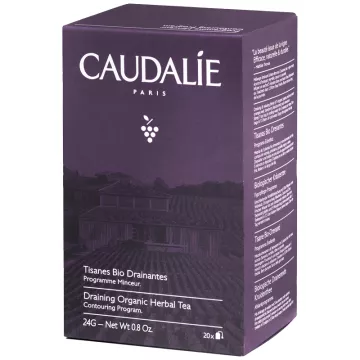
- Herbal tea bags offer a quick and convenient way to easily enjoy the benefits of herbs in your daily life.
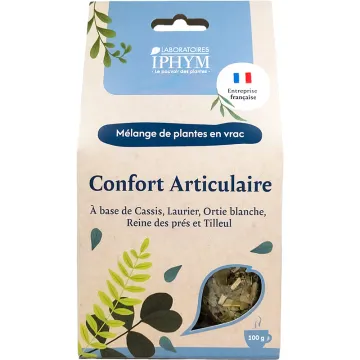
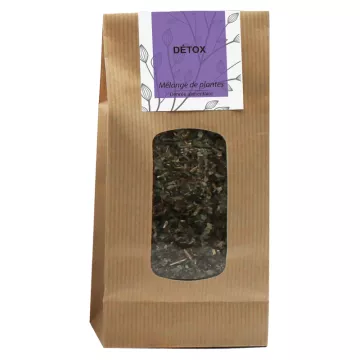
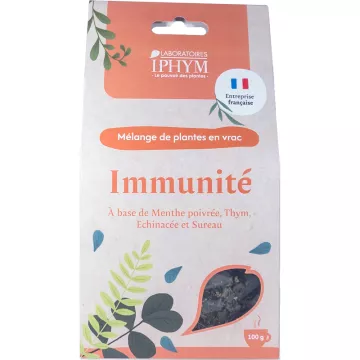
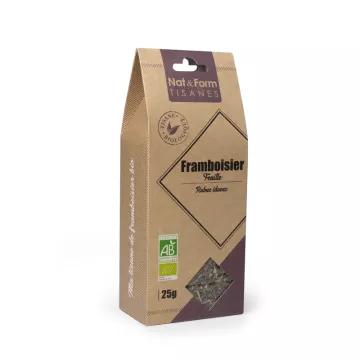
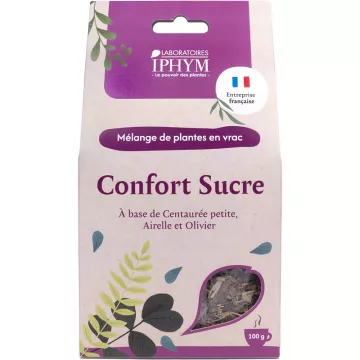
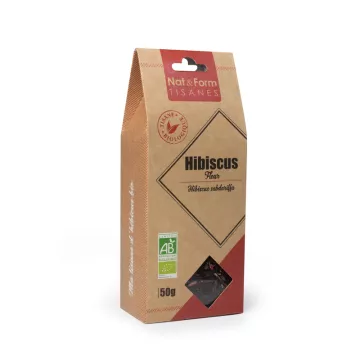
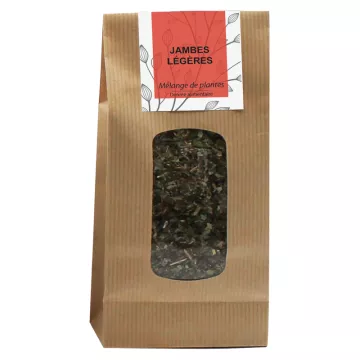
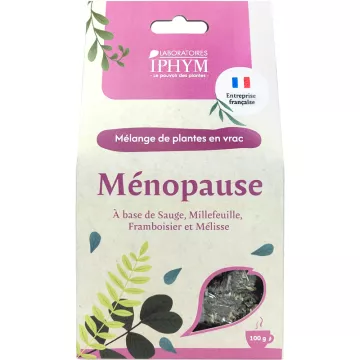
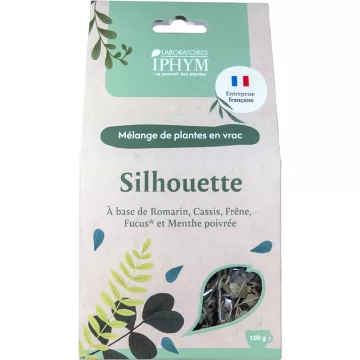
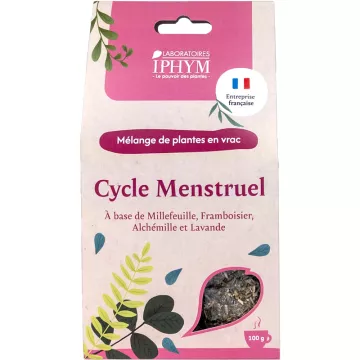
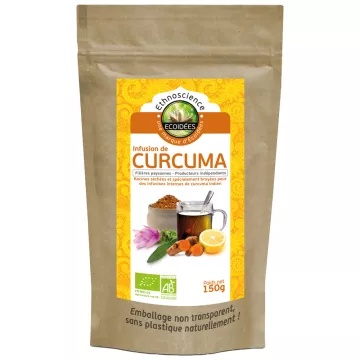
- Loose-leaf herbal teas allow you to create your own blends and measure out the herbs according to your specific needs.
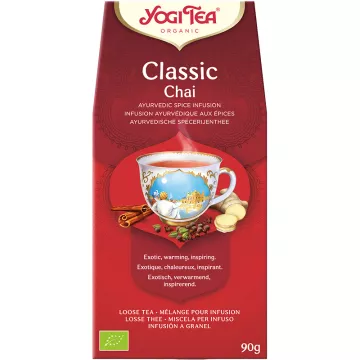
- Ayurvedic herbal teas, derived from traditional Indian medicine, provide targeted support to rebalance energies and promote inner harmony.
- Medicinal roots and rhizomes, used in decoctions, concentrate the plants’ active ingredients for profound effects on the body.
- Medicinal leaves, widely used in infusions, offer a variety of benefits depending on the species: digestion, circulation, respiratory system…
- Flowering tops, rich in aromatic compounds, are particularly valued for their calming, antispasmodic, or invigorating effects.
- CBD infusions and herbal teas combine the benefits of hemp with those of plants to provide a relaxing and balancing effect, without causing dependence.
- Clay therapy offers treatments based on natural clay, used both externally and internally to purify, remineralize, and soothe.
- Herbal candies and chewing gum combine pleasure with well-being, offering a simple and delicious way to consume herbs.
- Highly concentrated medicinal plant juices are ideal for targeted phytotherapy treatments, with rapid absorption of the active ingredients.
- Custom formulations allow you to create personalized blends tailored to your needs, guided by the advice of our specialized team.
Thanks to this diverse range of herbal products, available on Soin-et-Nature, you can easily incorporate medicinal plants into your health routine. Whether as an infusion, decoction, oral solution, or topical treatment, these plants support you day after day in a gentle and effective approach to prevention.