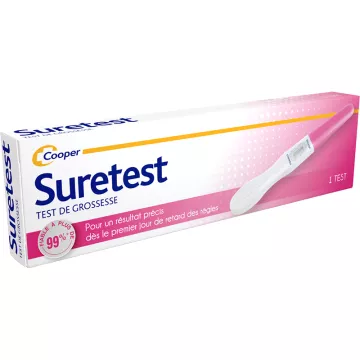
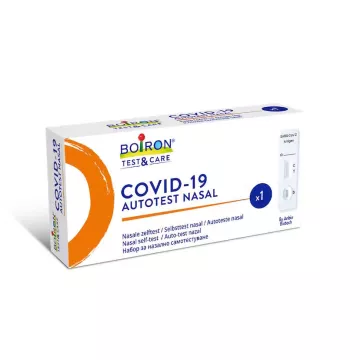
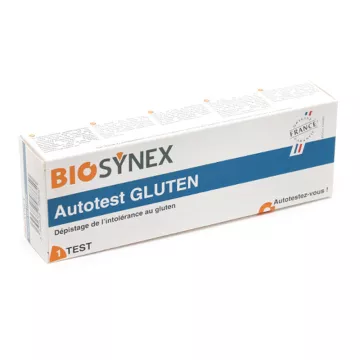
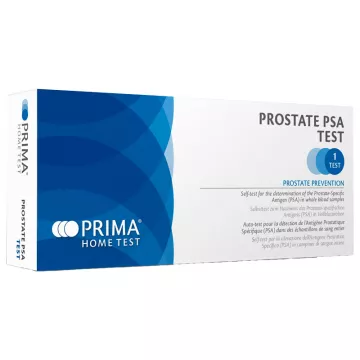
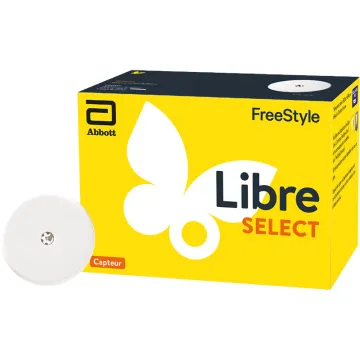
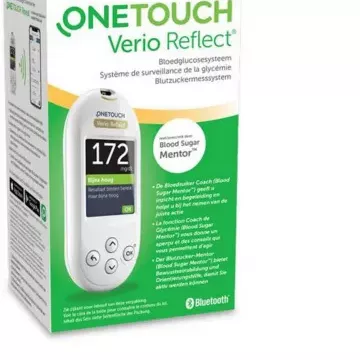
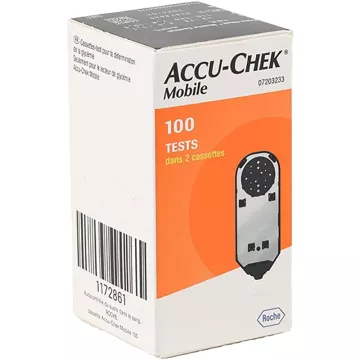
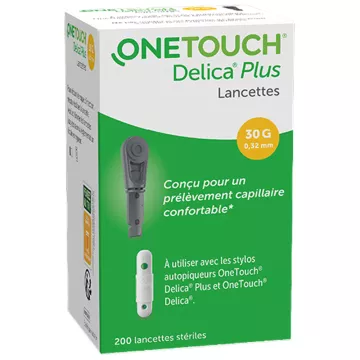
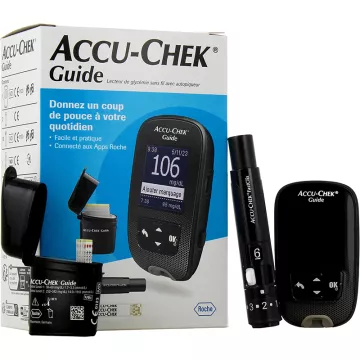
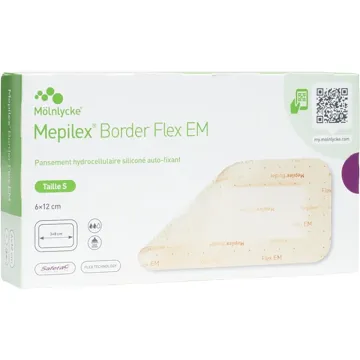
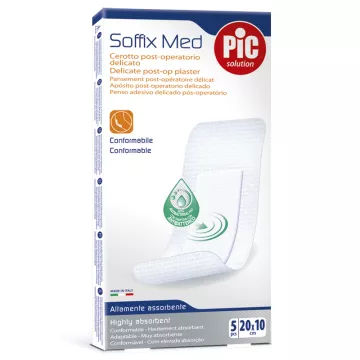
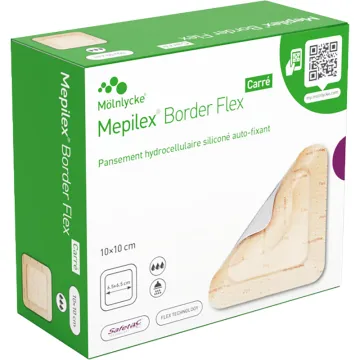
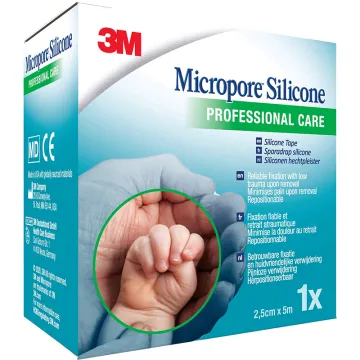
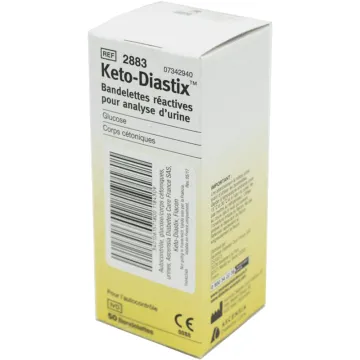
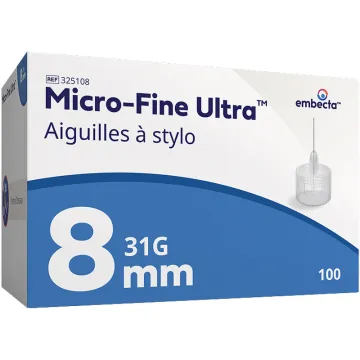
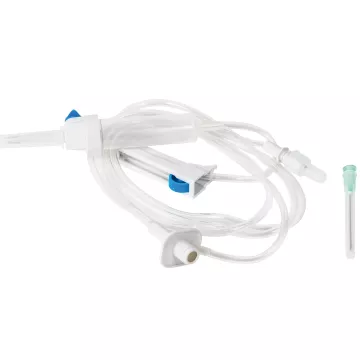
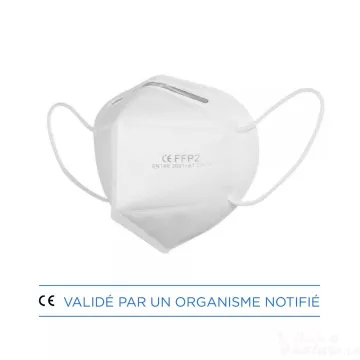
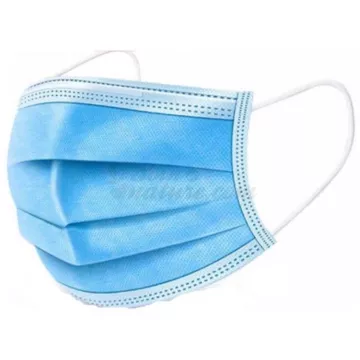
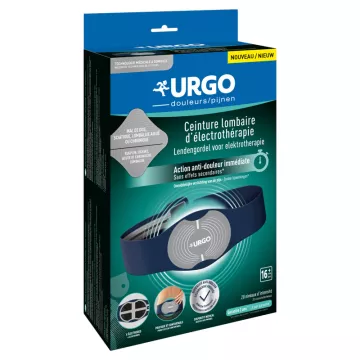
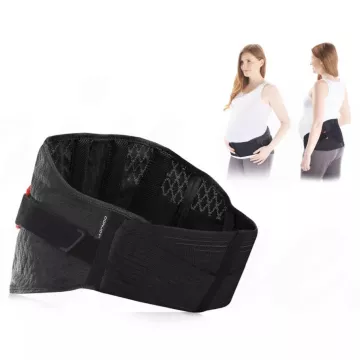
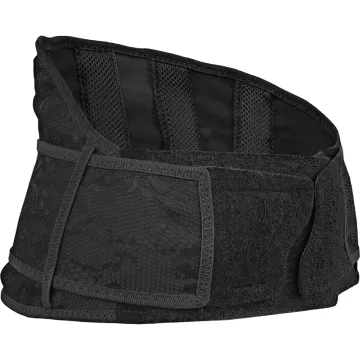
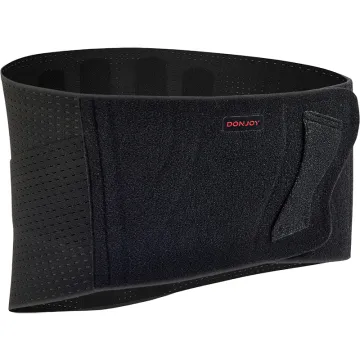
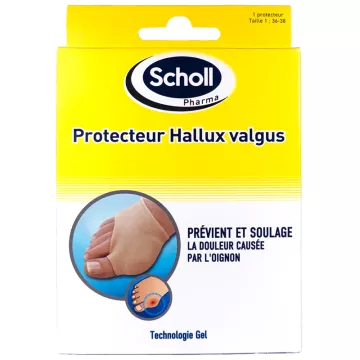
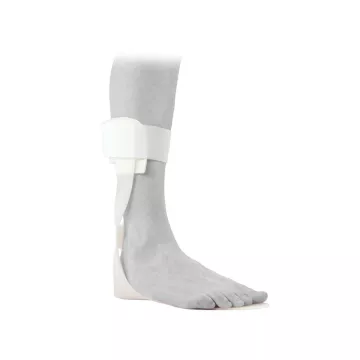
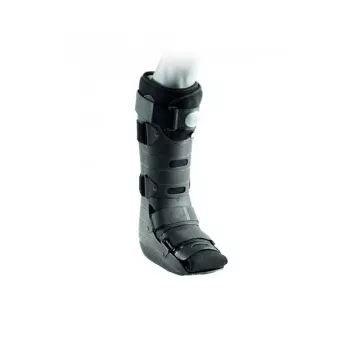
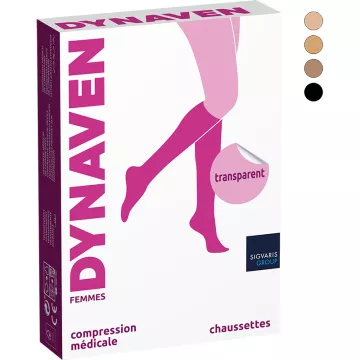
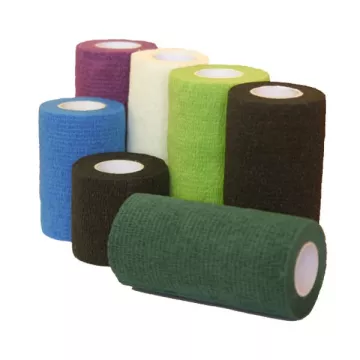
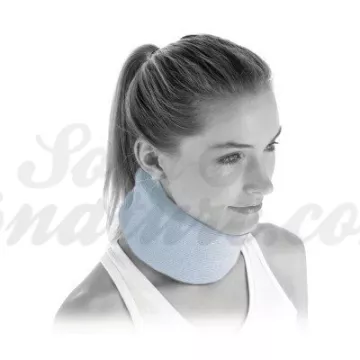
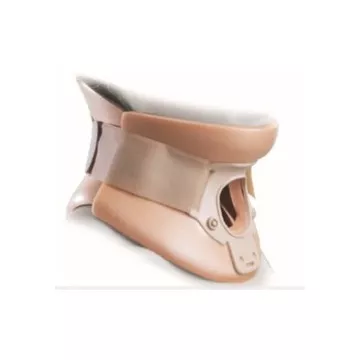
Home medical equipment allows you to monitor your health and care for yourself under the right conditions: self-test kits, blood pressure monitors, thermometers, medical dressings, orthotics, and compression garments. All equipment sold here complies with medical device standards (CE marking) and comes with usage instructions from a pharmacist.
More details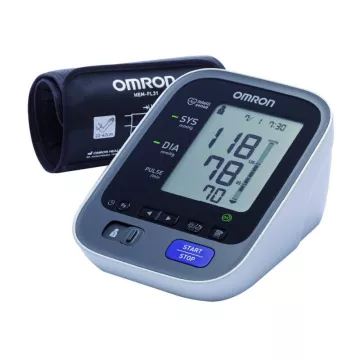


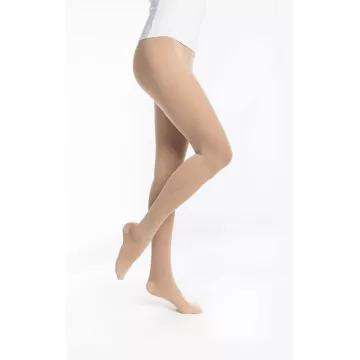

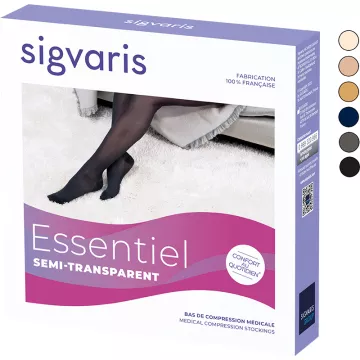
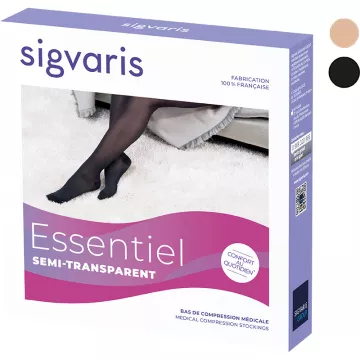
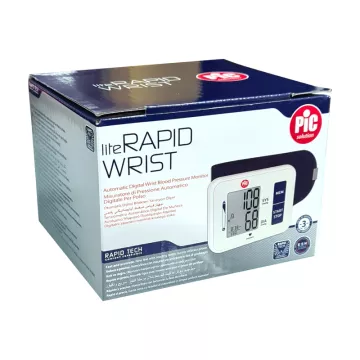
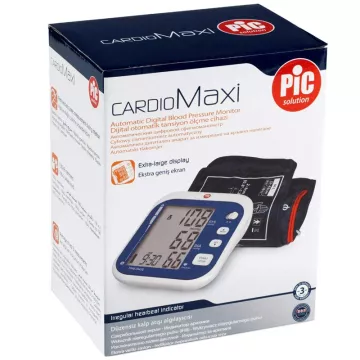
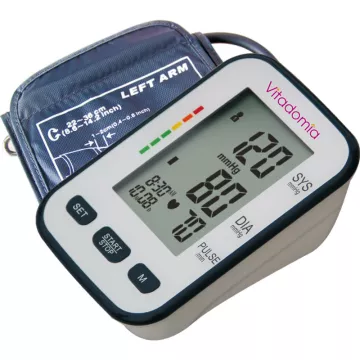
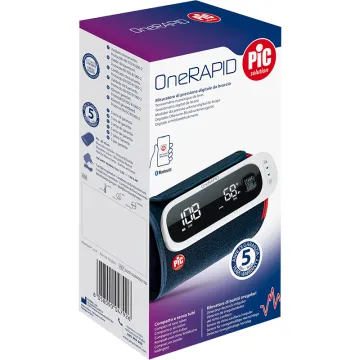
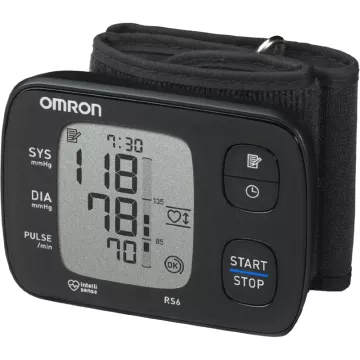
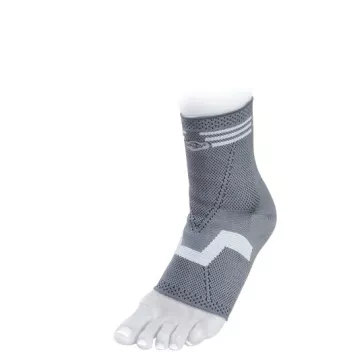
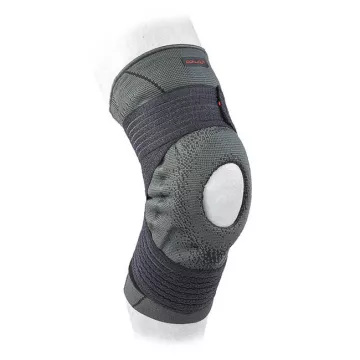
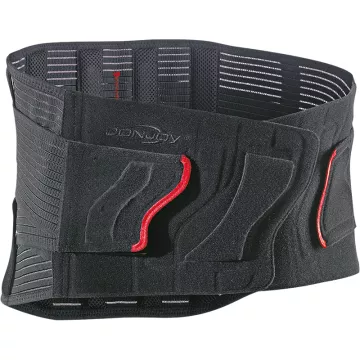
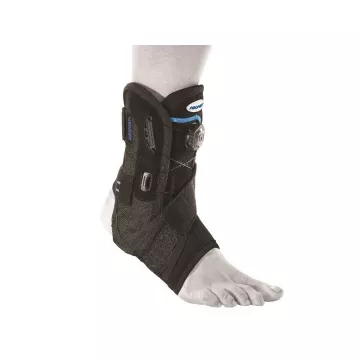
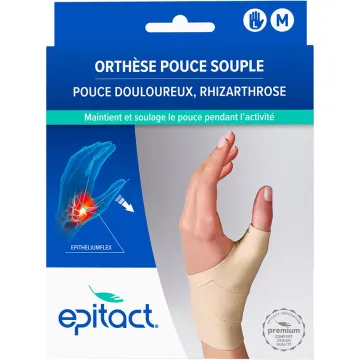
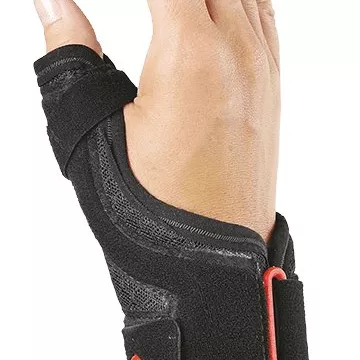
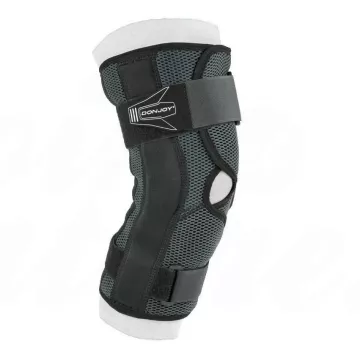
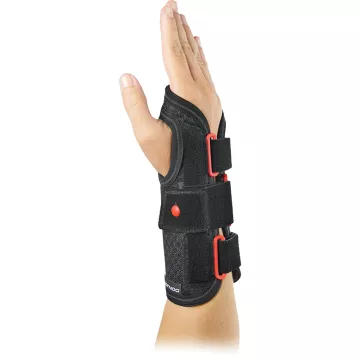
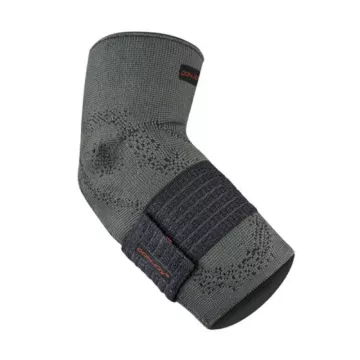
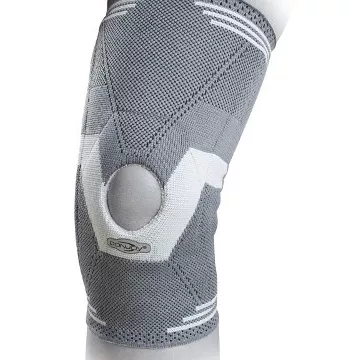
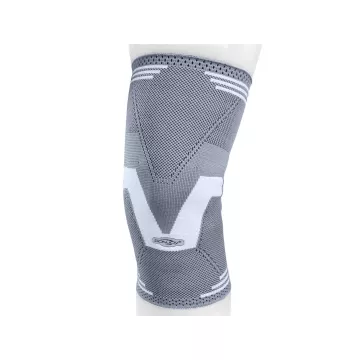
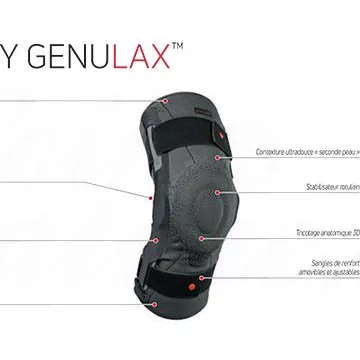
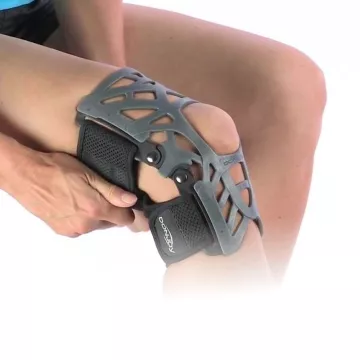
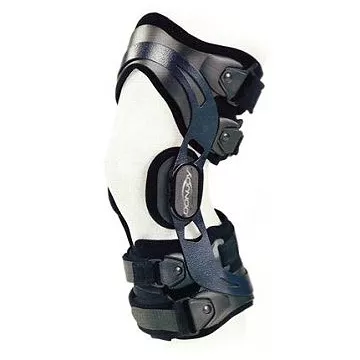
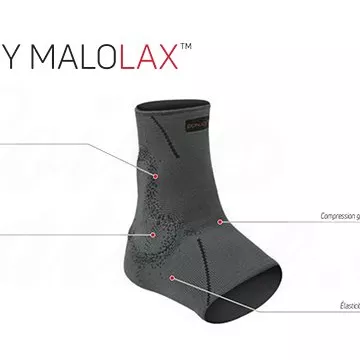
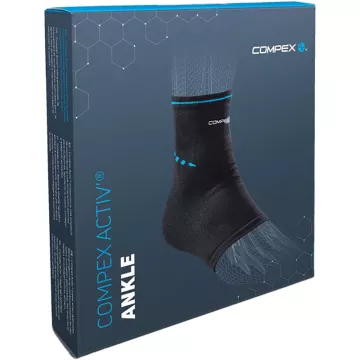
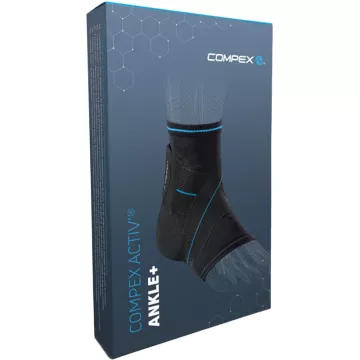
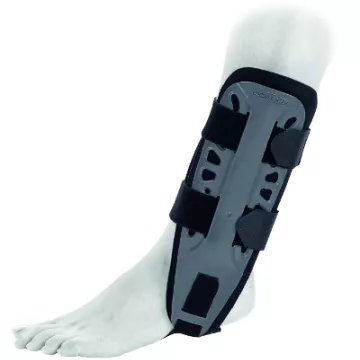
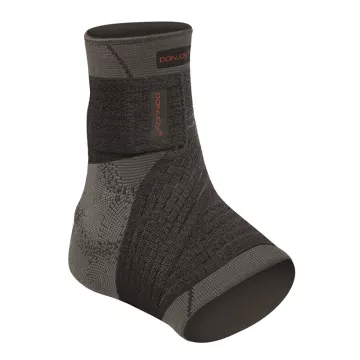
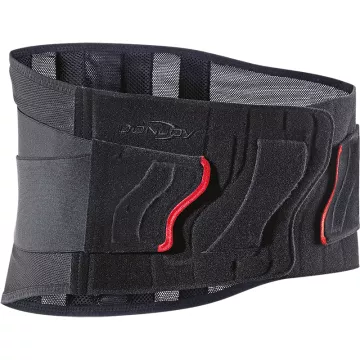
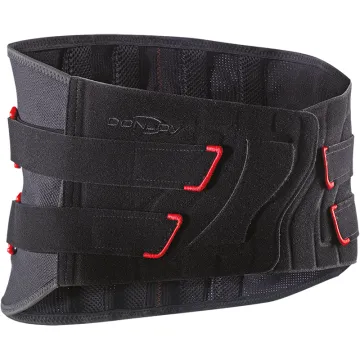
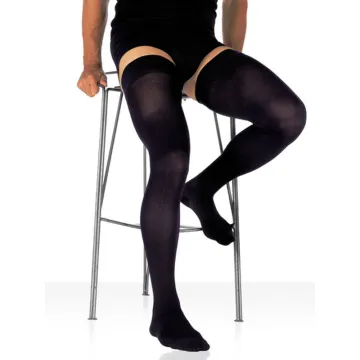
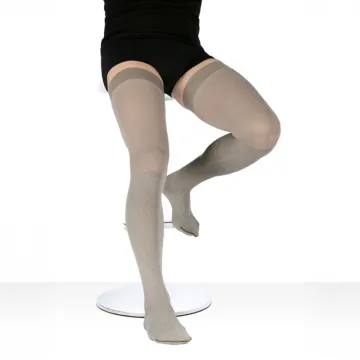
For a blood pressure monitor, the upper-arm cuff model remains the gold standard for reliability; the wrist cuff is a convenient option when on the go, provided it is positioned at heart level. For a brace, the size must be measured precisely (knee, ankle, or wrist circumference, as applicable): a brace that is too loose will not provide support, while one that is too tight will cause compression. For venous compression, the class (1 to 3) depends on the prescription or advice: our product sheets detail the size conversions for each manufacturer.
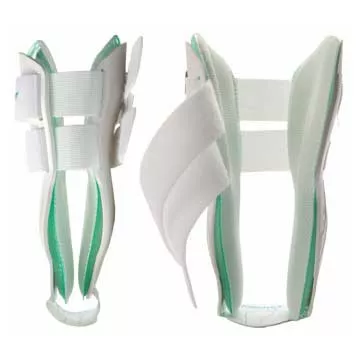
Self-monitoring of blood pressure follows the “rule of 3”: 3 readings in the morning, 3 in the evening, for 3 consecutive days, while seated and at rest for 5 minutes—it is this data set, not a single measurement, that is useful to your doctor. A positive or questionable self-test result should always be confirmed by a healthcare professional. And a sprain that remains painful or swollen after 48 hours in a splint warrants a doctor’s visit: the equipment supports treatment; it does not replace a diagnosis.
Is medical equipment covered by insurance?
Certain devices (braces, orthoses, blood glucose monitors, etc.) may be covered by insurance with a prescription, subject to the terms of the LPP. Contact us with your prescription, and we’ll explain the next steps.
Which thermometer is the most reliable?
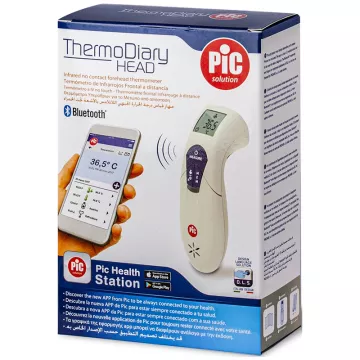
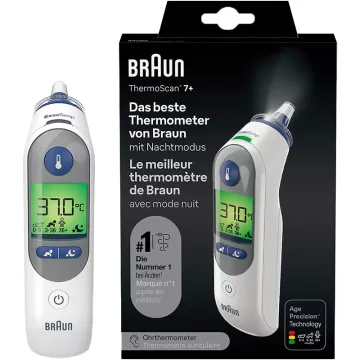
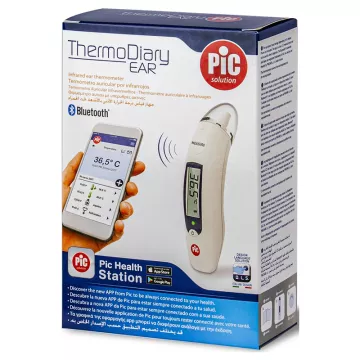
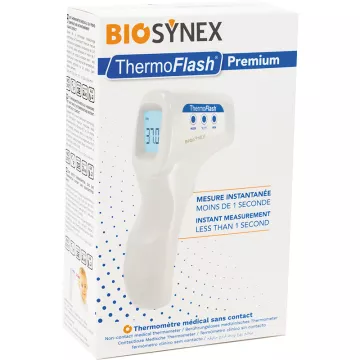
The electronic rectal thermometer remains the gold standard for infants; the infrared forehead or ear thermometer offers a good balance of speed and reliability for children and adults, provided you follow the instructions carefully.
Written by Arnaud, Ph.D. in Pharmacy.