To help our businesses weather this health crisis with confidence, we’re offering a special deal for professionals: sale at cost for orders of 100 or more respiratory protection masks (use discount code VR9CBLPF)
To protect yourself againstthe COVID-19 pandemic, preventive measures are highly effective. The French Ministry of Health recommends washing your hands regularly, coughing or sneezing into your elbow or a disposable tissue (and throwing it away), as well as greeting others without shaking hands and avoiding hugs. To limit the spread of the coronavirus, the French government has also decided to place the population under lockdown and recommends wearing a Category 1 or 2 UNS-certified respiratory protective maskin public spaces and on public transportation.
What are the specifications for the AFNOR S76-001-compliant barrier mask for children and adults?
The DGA has certified these masks as Category 1, with over 90% particle filtration. They are very comfortable to wear, whether for children (ages 8–10 and up) or adults. Ideal for children who must wear masks in middle school or high school as they return to school.
The “barrier mask” is intended to complement protective measures and social distancing rules for adults and school-aged children. It is intended for the general public, particularly anyone who is healthy or asymptomatic. The barrier mask in no way exempts the user from consistently following essential preventive measures, as well as social distancing rules aimed at combating viral infections such as the flu or the coronavirus. This product is not intended for use by healthcare workers in direct contact with patients (healthcare professionals). FFP2-type filtering masks and medical (or surgical) masks are intended for and reserved for healthcare personnel.
As a reminder, Category 1 masks arepersonal respiratory protection masks intended for professionals in contact with the public, filtering at least 90% of 3-micron particles. They are therefore suitable for wearing for up to 4 hours at work or school.
Guidelines for Using COVID-19 Masks for Children and Adults
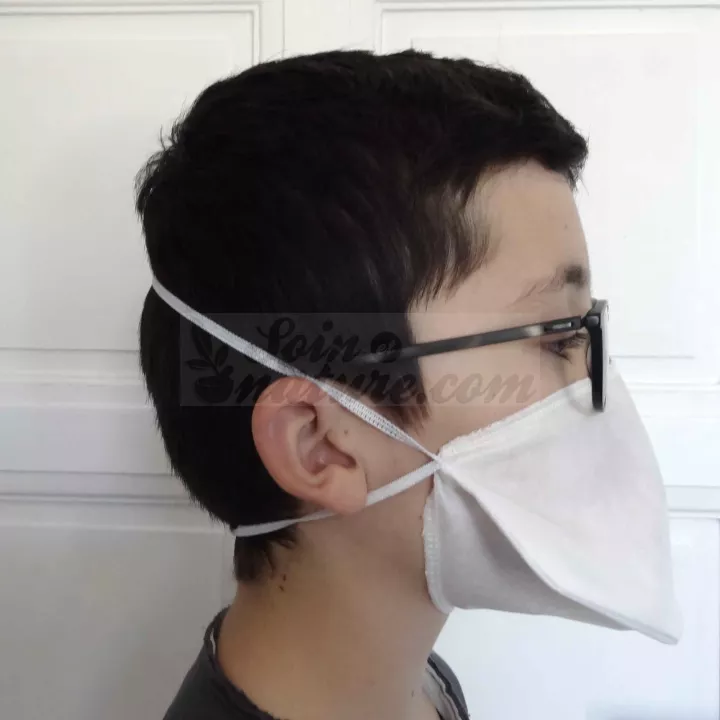
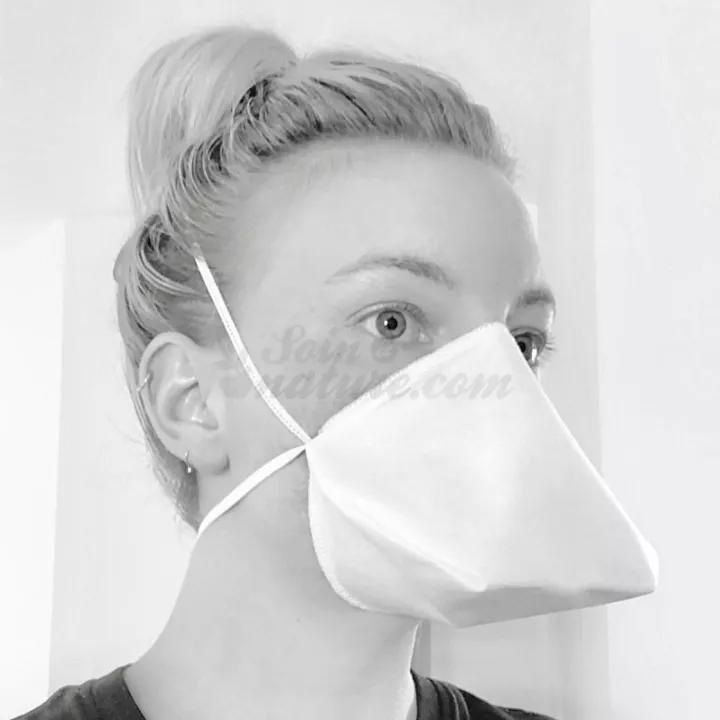
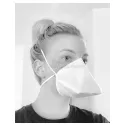
Virus-protective masks for children or adults must be washed immediately after removal and for at least 30 minutes at 60 degrees to ensure that any contaminating influenza or coronavirus viral agents are destroyed. This protective mask is comfortable to wear, and breathability is optimal thanks tothe “duckbill” design and its unique shape.
Stop Covid Category 1 Protective Mask: Can be worn for 4 consecutive hours and reused 10 times after washing (testing currently underway for 20 washes)
ANSM-Recommended Treatment Protocol for Reusable Fabric Protective Masks
The following complete treatment cycle must be carried out in its entirety, consecutively, to ensure the elimination of COVID-19-type coronaviruses as well as other potentially pathogenic microorganisms (influenza viruses, enteroviruses, etc.).
- Machine wash with a detergent suitable for the fabric, using a cycle that includes at least one 30-minute wash cycle at 60°C.
- Tumble dry
- Ironing at a temperature of 120–130°C
Masks treated in this manner must be stored in a way that preserves their microbiological cleanliness after treatment (e.g., wrapped in plastic film)
Masks certified by the French Directorate General of Armaments (DGA) for Category 1 and 2 use: prevent the spread of the influenza virus or the coronavirus (COVID-19).
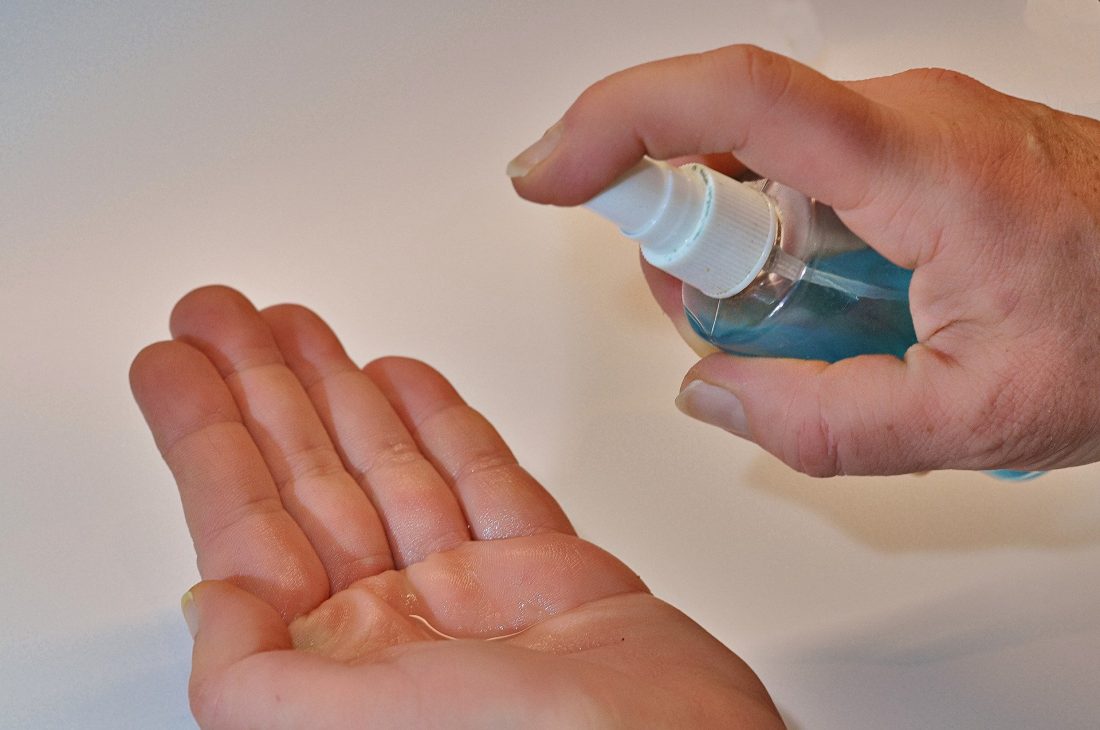
The World Health Organization (WHO) states that face masks for school-aged children are intended only for those caring for infected patients or for people who are coughing or sneezing. It notes that one should “remove the mask without touching the front of it.” You should clean your hands before and after handling your mask with an alcohol-based hand sanitizer or with soap and water, and wear the mask so that both your nose and mouth are covered. The WHO emphasizes that it does not have sufficient information regarding the mask’s effectiveness.
Share your opinion on the usage instructions and dosage for the AFNOR S76-001-standardized Barrier Mask with our partner. Verified reviews are available after your purchase from our online pharmacy.
Published on March 27, 2020, the first version of the AFNOR Spec – Barrier Masks technical specification is the result of a collaborative effort by volunteer experts whom AFNOR brought together in seven days, at the peak of the coronavirus pandemic. As members of standardization committees on personal protective equipment (PPE) or textiles, they all made decisive contributions to this project of public interest under the leadership of Ewa Messaoudi (Honeywell), chair of the AFNOR S76A committee “Respiratory Protective Equipment,” supported by Matthis Roussel (AFNOR Standardization).
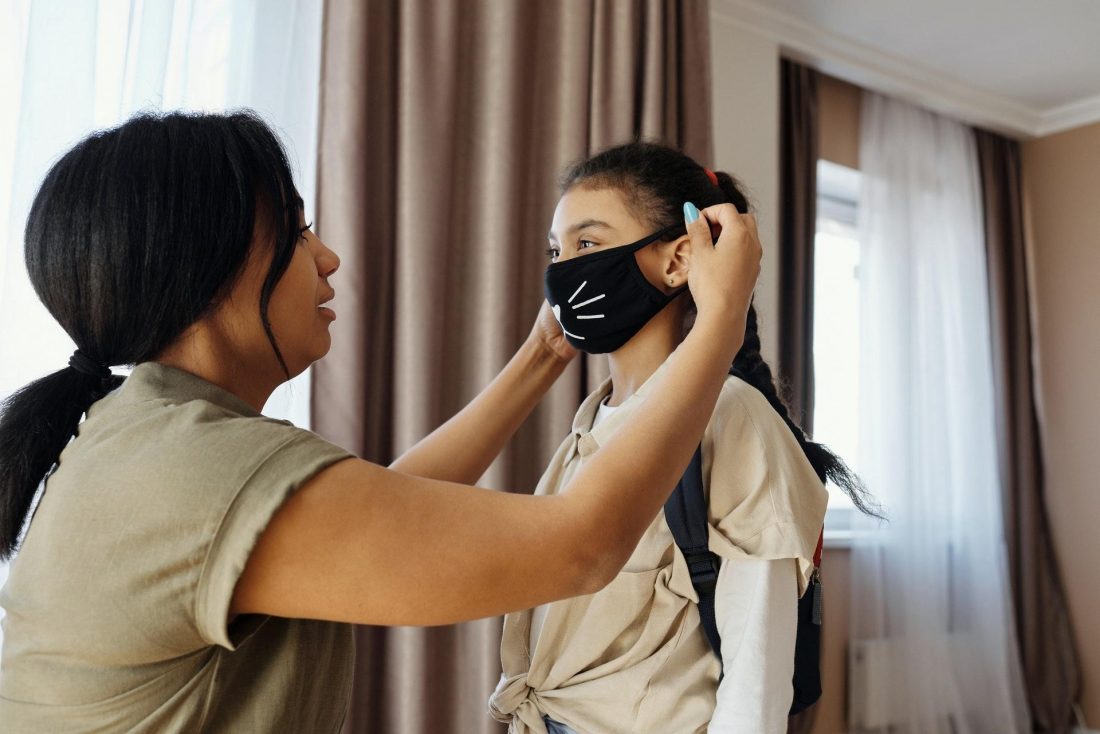
Some tips for wearing a mask correctly:How should you use and wear a barrier mask?
What is it made of?
Synthetic fabric selected for its filtration performance.
Composition: 100% nonwoven polypropylene
Filtration level and air permeability:
In accordance with the interministerial information note dated March 29, 2020, regarding new categories of masks reserved for non-medical uses, the mask material (test No. RP/20-2354/DGA MNRBC/2000305/NP conducted on April 15, 2020, by the DGA) exhibits air permeability and protection efficiency against 3-micron aerosols that are which are compatible with use as a Category 1 mask (individual mask for professionals in contact with the public)
This mask complies with the French AFNOR S76-001 specification, Category 1 (reusable for 10 washes); see the compliance report from the Directorate General of the Armed Forces.
Precautions for Use
Barrier masks do not offer the same level of protection as FFP2 masks. Companies must assess on a case-by-case basis whether these respiratory protection masks for children and adults are suitable for the risks associated with each type of workstation. Users must adjust these masks to fit over the nose and under the chin and follow the same hygiene guidelines as for other masks.
For washable and reusable masks:
- Washing: at least 30 minutes at 60°C
- Drying: if possible, in a clothes dryer; clean the dryer filters before and after drying.
- Disposal: in a sealed plastic bag; if possible, double-bag
Presentation - Packaging
Masks sold individually or in packs of 20 respiratory protection masks for adults and teensat a reduced price; special family pricing available at pharmacies.
Children’s “barrier masks” compliant with AFNOR Standard S76-001 of March 27, 2020. These masks are not subject to the requisition requirements under Decree 2020-247 of March 13, 2020.
You can download the  package insert for these Category 1 barrier masks for children and adults
Our advice and insights from natural health experts
Is the level of protection provided by barrier masks equivalent to that of FFP2 masks or surgical masks?
No, they are different types of masks. An FFP respiratory protection mask is a respiratory protective device (NF EN 149 standard). It is designed to protect the wearer from inhaling both droplets and airborne particles that may contain infectious agents. Wearing this type of mask is more restrictive (thermal discomfort, breathing resistance) than wearing a surgical mask.
There are three categories of FFP masks, based on their effectiveness (estimated according to filter efficiency and facial leakage). These are:
- FFP1 masks, which filter at least 80% of aerosols (total inward leakage < 22%).
- FFP2 masks, which filter at least 94% of aerosols (total inward leakage < 8%).
- FFP3 masks, which filter at least 99% of aerosols (total inward leakage < 2%).
A surgical mask is a medical device (NF EN 14683 standard). It is designed to prevent droplets emitted by the wearer from being projected onto others. It also protects the wearer from droplets emitted by a person facing them. However, it does not protect against the inhalation of very small airborne particles. There are three types of masks:
- Type I: bacterial filtration efficiency > 95%.
- Type II: bacterial filtration efficiency > 98%.
- Type IIR: bacterial filtration efficiency > 98% and splash-resistant.
Do S76 UNS masks meet the standards?
These masks comply with the AFNOR SPEC S76-001:2020 standard dated March 27, 2020. They are described as “barrier masks.” They are shipped individually or in packs of 20, with an instruction sheet that includes the usage recommendations set forth by the AFNOR standard.
Where are they manufactured? Are they washable and reusable?
They are sold by a French company called L’essentiel.
They are washable at 60° and can therefore be reused 10 times after washing.