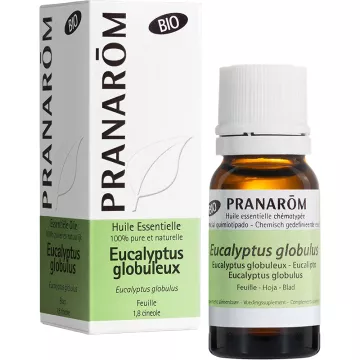
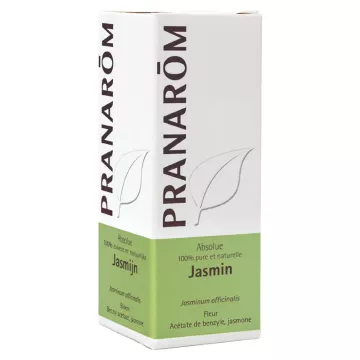
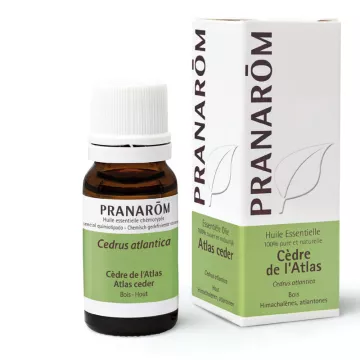
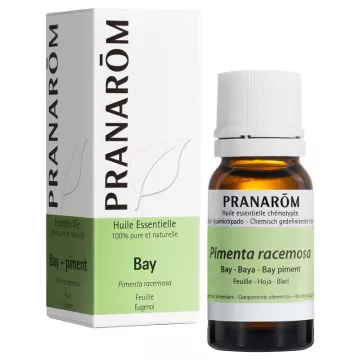
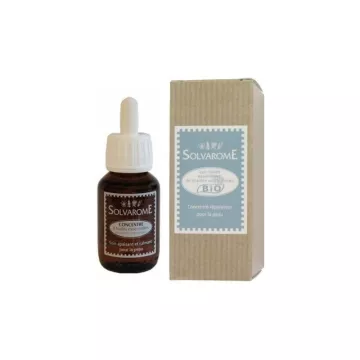
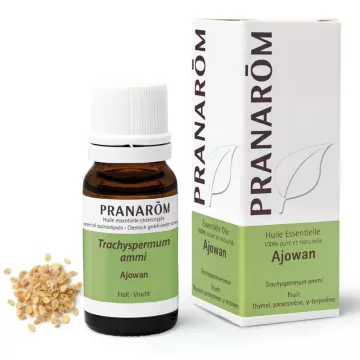
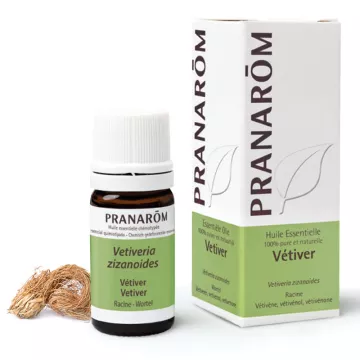
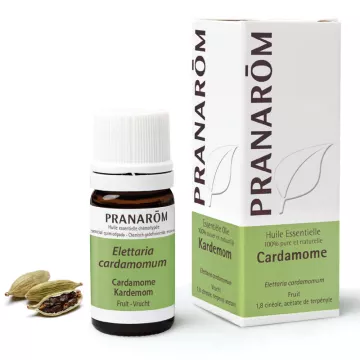
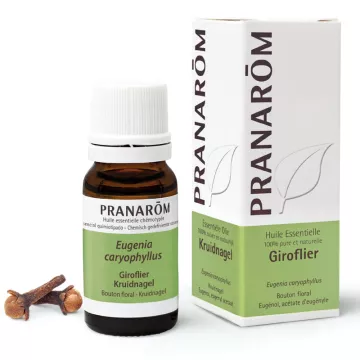
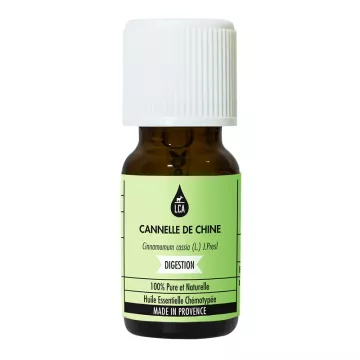
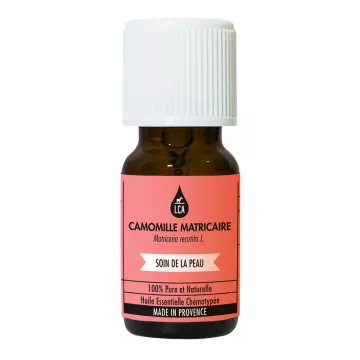
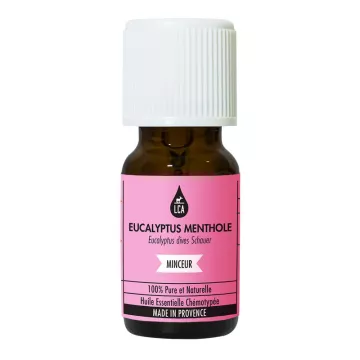
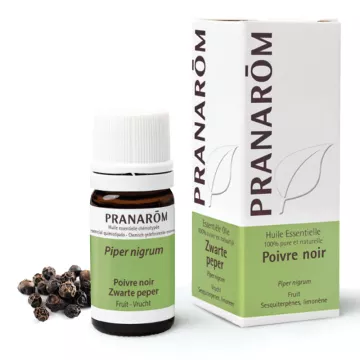
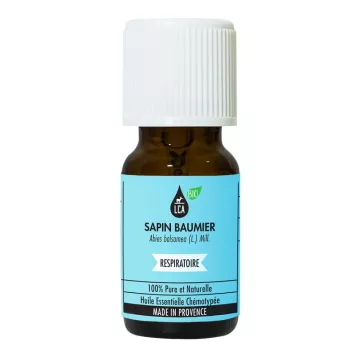
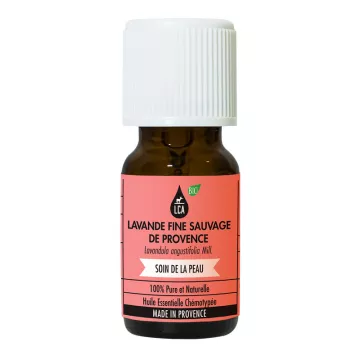
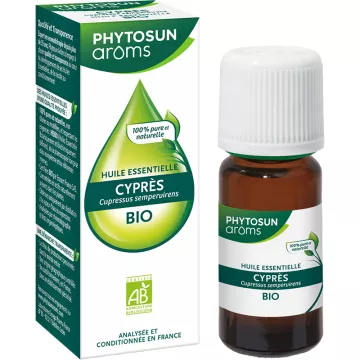
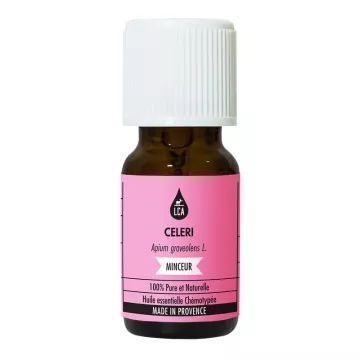
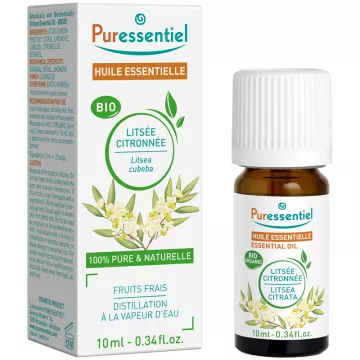
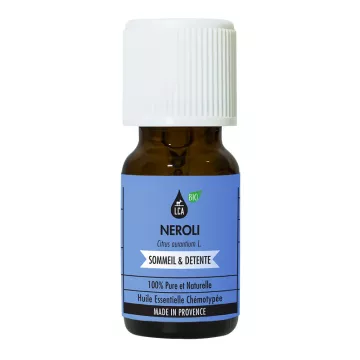
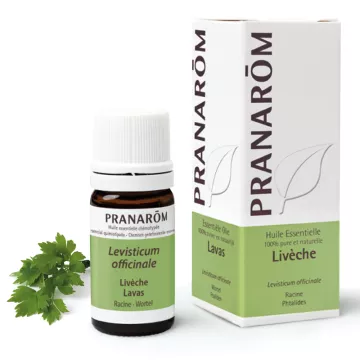
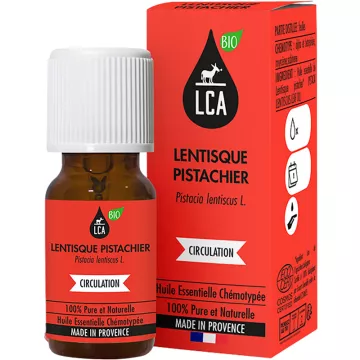
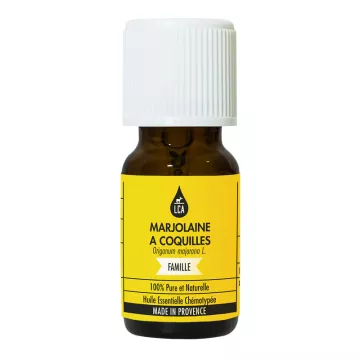
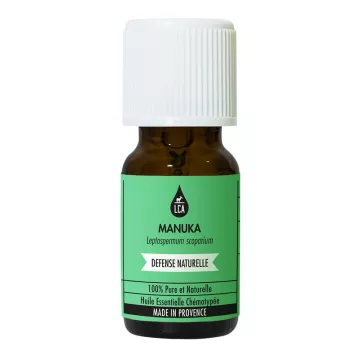
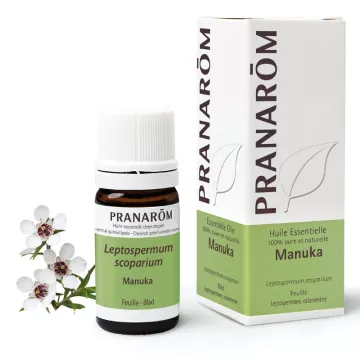
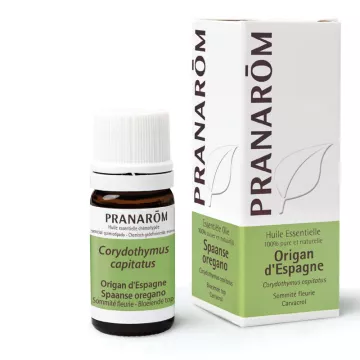
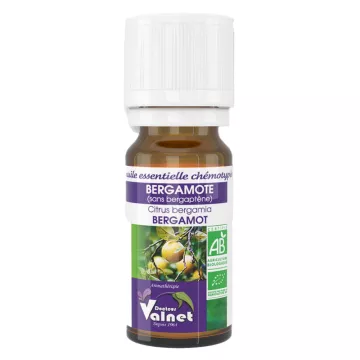
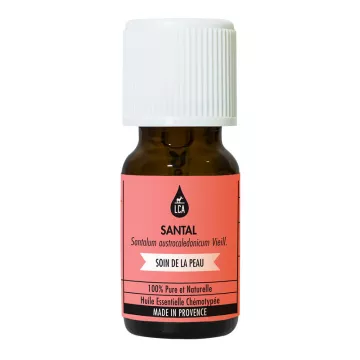
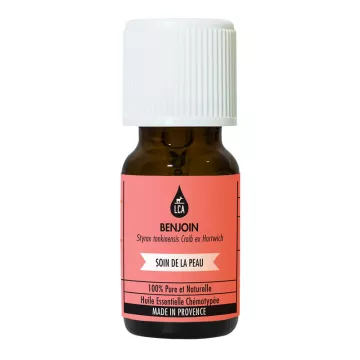
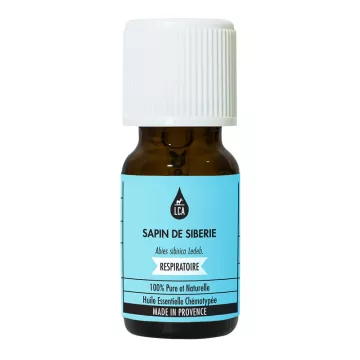
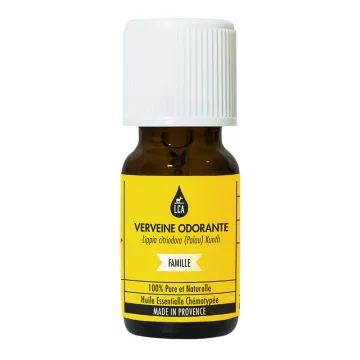
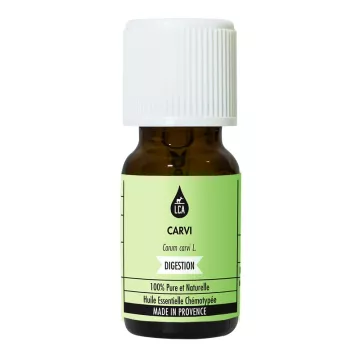
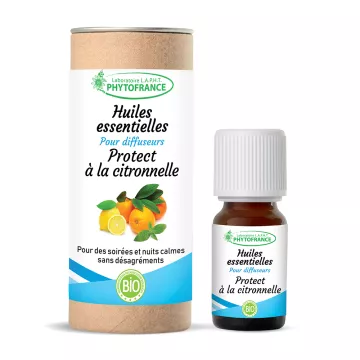
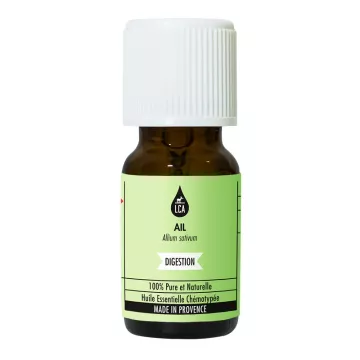
Want to incorporatearomatherapy into your wellness routine? At Soin-et-Nature, your online pharmacy specializing in natural medicines, we’ve selected high-quality essential oils, chosen for their traceability, botanical origin, and controlled composition. Whether you’re looking for an organic essential oil, a chemotyped essential oil ( HECT or HEBBD), or a solution for diffusion, massage, or everyday comfort, you’ll find products here tailored to a variety of needs.
Pure and natural essential oils are highly concentrated aromatic extracts. They can support relaxation, sleep, breathing, muscle comfort, skin care, or even your home’s ambiance, depending on the oil chosen and how it’s used. But “natural” does not mean harmless: an essential oil must always be used with caution, in the correct dosage, via the appropriate route of administration, and taking into account age, individual constitution, and contraindications.
More detailsBuying your essential oils from an online pharmacy allows you to easily compare brands, chemotypes, certifications, botanical origins, and usage guidelines. At Soin-et-Nature, we prioritize essential oils from laboratories specializing in aromatherapy, with essential quality guarantees: precise botanical identification, Latin name, distilled part, geographic origin, chemotype, and batch traceability.
Our selection includes organic essential oils, as well as 100% pure and 100% natural essential oils—some labeled as “complete” or “integral,” depending on the product. Some are certified organic by organizations such as Ecocert, while others meet quality criteria such as HECT or HEBBD. These designations are particularly helpful when choosing a reliable essential oil, especially when two closely related plants may have very different biochemical compositions.
To explore our entire natural product line, you can also check out our organic aromatherapy section in the pharmacy, which features essential oils, vegetable oils, hydrosols, diffusers, ready-to-use blends, and accessories.
A high-quality essential oil must be clearly identified. The common name isn’t enough—you also need to check the Latin name, botanical family, plant part used, country of origin, and chemotype. For example, two essential oils of rosemary or thyme can have very different profiles depending on their dominant composition.
The designations HECT and HEBBD provide additional information about the quality and identification of the essential oil. HECT stands for “Chemotyped Essential Oil.” HEBBD stands for “Botanically and Biochemically Defined Essential Oil.” These criteria provide a better understanding of the essential oil’s composition and help avoid confusion between species or chemotypes.
For an even more precise selection, explore our range ofHECT and HEBBD chemotyped essential oils, which are particularly suited for users seeking enhanced traceability and a rigorously controlled composition.
Essential oils can be used in various wellness routines, always following the specific usage instructions for each product. Some are valued for relaxation, others for winter diffusion, respiratory comfort, muscle massage, skincare, or home use.
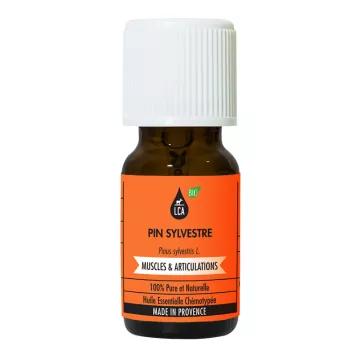
True lavender essential oil, petitgrain bigarade, sweet orange, and Roman chamomile are often incorporated into relaxation and sleep routines. Ravintsara, eucalyptus radiata, niaouli, Scots pine, and tea tree are highly sought after during the winter months for diffusion, inhalation, or respiratory comfort, depending on the specific precautions for each oil.
For digestion, certain essential oils such as peppermint, lemon, tropical basil, ginger, and tarragon are well-known to aromatherapy users, but they require specific guidance, particularly when taken orally. For muscles and joints, wintergreen, lemon eucalyptus, camphor rosemary, and Italian helichrysum are often used in massage, always diluted in a suitable carrier oil.
For the skin, essential oils such as tea tree, spike lavender, rose geranium, palmarosa, or rockrose are often sought after in routines targeting blemishes, oily skin, or general skincare. Again, applying them undiluted is rarely recommended: dilution, a skin test, and following the instructions are essential.
Essential oils are highly concentrated in active aromatic molecules. Their use must therefore be precise. Before any application, always check the product’s instructions for use: some essential oils are suitable for diffusion, others for massage, some for inhalation, and only a few for oral use when this is explicitly indicated.
When applied to the skin, most essential oils must be diluted in a vegetable oil. This dilution helps minimize the risk of irritation, burning, or skin reactions. To prepare your blends properly, check out our selection oforganic vegetable oils, which are ideal as a base for diluting oils used in massage and skincare.
For use in the air, use a suitable device such as an essential oil diffuser. Diffusion should be moderate, in a well-ventilated room, and should adhere to the durations recommended by the manufacturer. Essential oils should never be diffused continuously, especially in the presence of children, pregnant women, pets, or sensitive individuals.
Topical application is suitable for localized massages, body care, or muscle care routines, provided the essential oil is diluted in a carrier oil. Diffusion creates an aromatic, relaxing, respiratory, or purifying atmosphere, depending on the oils chosen.Inhalation is primarily used to support respiratory comfort, but it should be avoided by certain sensitive individuals.
Oral use requires special caution. It should never be routine and should be reserved for essential oils where this use is clearly indicated by the manufacturer. If in doubt, consult a healthcare professional, especially if you are taking medication, are pregnant, breastfeeding, have asthma or epilepsy, or if the oil is intended for a child.
For those with sensitive skin, aromatic hydrosols and floral waters can offer a gentler alternative in certain beauty or wellness routines. They do not replace essential oils, but they are often easier to incorporate into daily use.
An essential oil is a concentrated aromatic extract. When applied undiluted, it can irritate the skin, cause a burning sensation, or trigger a reaction in sensitive individuals. Diluting it in a carrier oil helps distribute the essential oil more evenly, improves comfort during application, and transforms the application into a massage.
Vegetable oils such as sweet almond, apricot kernel, jojoba, macadamia, calophyllum, arnica, or St. John’s wort can be used as carrier oils depending on the desired effect. For ready-to-use massage blends, you can also check out our massage oils infused with essential oils, which are ideal for muscle comfort, relaxation, or body care.
Certain biochemical families require special caution. Essential oils rich in phenols or aromatic aldehydes can be irritating or dermocaustic. Essential oils rich in ketones or lactones require special attention due to their potential neurotoxicity, depending on the dose and method of use. Essential oils containing coumarins—particularly certain citrus oils—can be photosensitizing.
Other essential oils are not recommended for certain groups due to their composition: people with asthma, epilepsy, pregnant or breastfeeding women, young children, the elderly, people undergoing medical treatment, or those with chronic conditions. An essential oil may also interact with certain medications or be unsuitable for individuals with a history of hormone-dependent conditions.
If you have sensitive skin, perform a skin test in the crook of your elbow before use. Always avoid contact with the eyes, mucous membranes, nose, ears, and sensitive areas. Keep your bottles tightly closed, protected from heat, air, and light, and out of the reach of children.
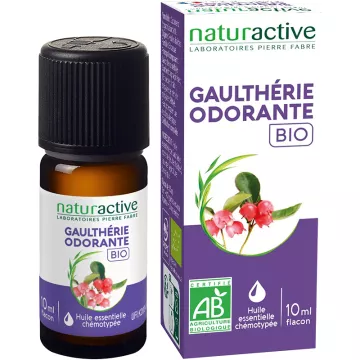
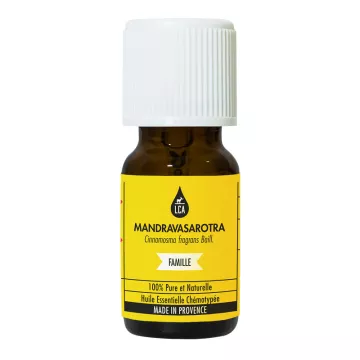
On Soin-et-Nature, you’ll find well-known aromatherapy brands such as Pranarom, Puressentiel, Phytosun Arôms, Naturactive, Docteur Valnet, LCA Aroma, and Laboratoire Phytofrance. Each manufacturer offers its own selection criteria, organic lines, ready-to-use blends, and must-have products.
The choice of a brand depends on your needs: single essential oil, aromatic blend, organic essential oil, HECT or HEBBD-certified oil, ready-to-use product, family-size format, spray, roll-on, capsule, or diffuser solution. The key is to choose a clearly identified essential oil that’s suited to your actual needs and comes with clear usage instructions.
There isn’t a single “best” essential oil for everyone. True lavender, tea tree, ravintsara, eucalyptus radiata, lemon, and peppermint are among the best-known essential oils, but the right choice depends on the intended use, age, individual constitution, and precautions for use.
An HECT essential oil is a chemotyped essential oil, meaning its primary aromatic molecules have been identified. An HEBBD essential oil is botanically and biochemically defined. These designations enhance traceability and help you choose a high-quality essential oil.
In most cases, it is best to dilute an essential oil in a carrier oil before applying it to the skin. Some essential oils are irritating, dermocaustic, or photosensitizing. Always follow the manufacturer’s usage instructions.
Oral use should never be routine. It should be reserved for essential oils specifically intended for this purpose, using an appropriate carrier and, if necessary, with the advice of a healthcare professional. Some essential oils can be toxic if misused.
The use of essential oils is generally not recommended for pregnant or breastfeeding women or young children without professional advice. Precautions vary depending on the essential oil, the method of use, the dosage, and the individual’s specific circumstances.