0
Menu

Mallow: A plant with soothing and digestive properties

Filter
Number of products : 8
Sort
Sort
Close
Wild mallow Cut leaf Iphym Herboristerie Wild mallow Cut leaf Iphym Herboristerie
100 g 250 g +
€8.85
Add to cart
Shipped within 24h
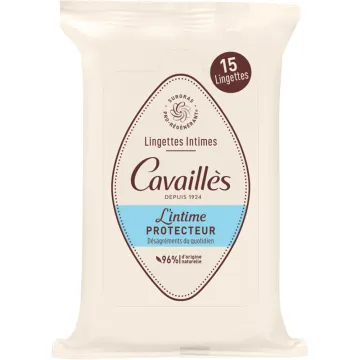
Cavaillès Protective Intimate Wipes x15 Cavaillès Protective Intimate Wipes x15
€3.70
Shipped within 24h
Natessance Mauve Soothing Shampoo 250 ml Natessance Mauve Soothing Shampoo 250 ml
€7.96
Shipped within 24h
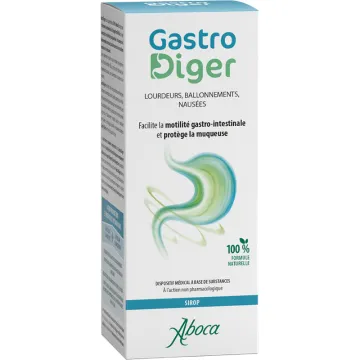
GastroDiger Bloating Nausea Aboca Syrup 180g GastroDiger Bloating Nausea Aboca Syrup 180g
€14.90
Shipped within 24h
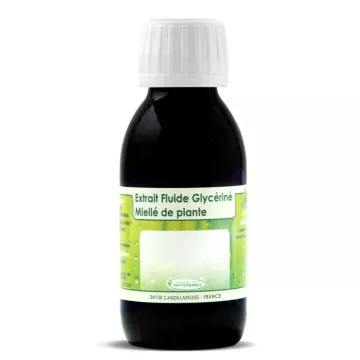
Mauve Sylvestre Fleur bio Extrait Fluide Glycériné PhytoFrance Mauve Sylvestre Fleur bio Extrait Fluide Glycériné PhytoFrance
€12.85
Shipped within 24h
Angiodrop Ophthalmic Solution Densmore 15 ml Angiodrop Ophthalmic Solution Densmore 15 ml
€7.60
Shipped within 24h
Mallow Flower Iphym Herbalism Malva sylvestris L. Mallow Flower Iphym Herbalism Malva sylvestris L.
25 g 100 g +
€8.33
Add to cart
Usually ships in 5-7 business days

What is wild mallow?

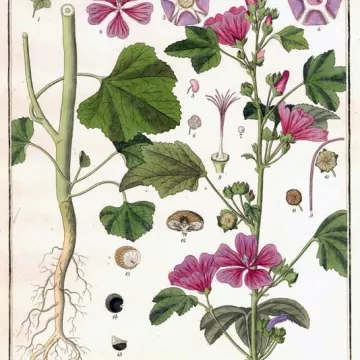
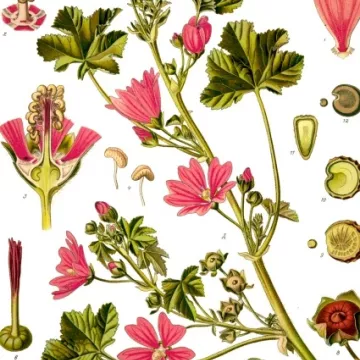
Wild mallow (Malva sylvestris) is a biennial herbaceous plant in the Malvaceae family, a cousin of the marshmallow plant. Its distinctive purple flowers contain mucilage, flavonoids, and anthocyanins, which are responsible for their color. Listed in the European Pharmacopoeia, it is traditionally used to soothe the respiratory, digestive, and ocular mucous membranes. Whereas marshmallow is primarily used for its root, wild mallow is mainly used for its flowers and leaves.

What are the benefits of mallow flowers?

Its emollient properties stem from its high mucilage content, complemented by the antioxidant action of flavonoids. It is traditionally recommended for:

How can you use mallow in your daily routine?

Several dosage forms are available depending on the intended use:

  • Flower infusion: 1 tablespoon per 250 ml of gently simmering water, steep for 10 minutes, drink 2 to 3 times a day. Use water at a maximum of 90 °C to preserve the mucilage;
  • Cold maceration: Soak for 30 minutes in cold water to release as much mucilaginous gel as possible;
  • Gargle or mouthwash: a lukewarm decoction for a sore throat;
  • Eye compress: filtered, cooled decoction applied to closed eyelids for 10 minutes;
  • Capsules or fluid extract for a standardized, reproducible treatment regimen.

Why does it soothe the throat and relieve a dry cough?

The mucilaginous gel mechanically coats the pharyngeal mucosa and reduces the cough reflex by acting as a barrier. This action explains its long-standing use in throat-soothing syrups and winter herbal teas. It is also effective for dry, irritating coughs. Any cough lasting more than 7 days or accompanied by a fever requires a doctor’s consultation.

Does mallow support digestion and bowel regularity?

In the intestines, the mucilage increases the volume of fecal matter and facilitates its passage, making it helpful for mild constipation and intestines prone to bloating. To maintain digestive comfort, it’s best used as a short course of treatment, with adequate hydration.

Does mallow soothe reactive skin?

When used topically, its emollient action soothes redness, dull skin, and minor irritations. It is used in compresses for erythema and aids in superficial healing, following appropriate cleansing.

Can it be used as a compress on tired eyes?

Yes, this is one of the ways mallow differs from marshmallow: a filtered, lukewarm decoction, applied for 10 minutes to closed eyelids, relieves sensitive eyelids and tired eyes after screen time. Any suspected conjunctivitis, eye pain, or visual disturbances warrant immediate medical attention.

What precautions should be taken with mallow?

  • Known allergy to the Malvaceae family: avoid;
  • Allow at least 2 hours between taking any medication (the mucilage may delay absorption);
  • Pregnancy, breastfeeding, or children under 6 years of age: consult a pharmacist;
  • Diabetes: monitor blood sugar levels during prolonged use;
  • Continuous use should be limited to 3 to 4 weeks without medical advice.

Which plants can be combined with mallow?

Herbal combinations should be chosen based on the intended use:

  • Plantain and thyme for respiratory health and bronchial comfort;
  • Chamomile and lemon balm for digestive and nervous system relief;
  • Licorice to enhance the effect on the mucous membranes;
  • Bioflavonoids and cornflower as a compress for eye comfort.