What is an ENT infection, and which organs can it affect?
ENT infections refer to all infections affecting the otolaryngological system—the ears, nose, sinuses, throat, and larynx. These structures form an anatomical and mucosal continuum: an infection that begins in one area often spreads to adjacent areas via the Eustachian tubes, the sinus ostia, or postnasal drip. A simple cold can thus develop into sinusitis, an ear infection, or pharyngitis. Natural products for the ENT system are available in the store.
- Nasal and sinus infections: nasopharyngitis (common cold—the most common, viral) — infectious rhinitis — acute or chronic sinusitis — causes: rhinovirus, seasonal coronaviruses, and possibly Streptococcus pneumoniae and Haemophilus influenzae
- Throat infections: pharyngitis (70–80% viral, 20–30% bacterial caused by GAS—rapid antigen test recommended before antibiotics)—tonsillitis—epiglottitis (rare emergency)—laryngitis
- Ear infections: external otitis (ear canal—swimming, humidity)— acute otitis media (short Eustachian tube in children—common progression from cold to otitis)—seromucous otitis (fluid buildup without signs of infection)
- Causes and risk factors: viral infections (rhinovirus, influenza, RSV—primary causes)—secondary bacterial superinfections—exposure to allergens and irritants (smoke, pollution, dry air)—immunosuppression—group settings (children in daycare/school — 6 to 10 episodes of nasopharyngitis per year are normal before age 6)
How should ENT infections be treated, and what natural remedies can be used?
The vast majority of ENT infections are viral and resolve spontaneously within 7 to 10 days—antibiotics are ineffective against viruses and should only be prescribed based on specific bacterial criteria (McIsaac score for pharyngitis, SPILF criteria for otitis and sinusitis). Symptomatic treatment—hydration, rest, pain relievers if necessary—remains the foundation. Natural remedies can effectively complement this approach.
- General ENT natural remedies: propolis (documented antibacterial and antiviral effects against major ENT pathogens—Streptococcus, Staphylococcus, Haemophilus, rhinovirus—available as throat lozenges, oral sprays, or nasal sprays)— honey (soothes the throat and trachea, antibacterial properties — 1 to 2 teaspoons in warm herbal tea) — nasal irrigation with saline solution (removes viruses and bacteria, moisturizes the mucous membranes — an essential basic step for all ENT infections)
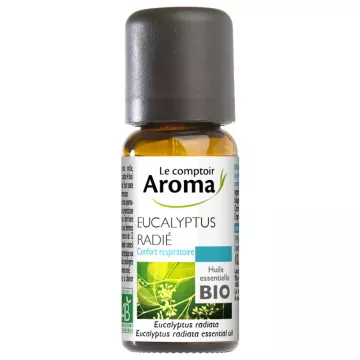
- Inhalations and steam: 10 minutes 2 to 3 times a day — eucalyptus (1,8-cineole, a decongestant and antimicrobial for the upper respiratory tract) — thyme (thymol—an antiseptic and expectorant) — peppermint (decongestant—not recommended for children under 6) — warm salt water gargles (pharyngitis—reduces swelling and throat irritation)
- Immune-boosting foods: vitamin C (citrus fruits, kiwi, bell peppers — supports innate antiviral immunity) — zinc (taken within 24 hours of the first symptoms — reduces the duration of respiratory infections according to studies) — garlic (antibacterial allicin) — ginger (anti-inflammatory gingerols for the airways) — probiotics (modulation of Th1 immunity)
- Prevention: Wash hands for 20 seconds with soap or hand sanitizer (primary viral transmission occurs via self-inoculation from hands to mucous membranes) — disposable tissues — regular ventilation — humidification (40–60%) — annual flu vaccination
Complications of Untreated ENT Infections and At-Risk Populations
The vast majority of viral ENT infections resolve without complications. However, certain untreated bacterial forms can spread to adjacent structures. The spread of infection is facilitated by immunosuppression, delayed management, or inadequate treatment. Children under 2 years of age, the elderly, and immunocompromised individuals are at higher risk for complications.
- Complications to be aware of: mastoiditis (spread of otitis media to the mastoid bone—pain and swelling behind the ear—ENT emergency)—peritonsillar abscess (a complication of streptococcal pharyngitis — “hot potato” voice + trismus + deviated uvula — surgical drainage) — complicated sinusitis (orbital cellulitis, brain abscess — rare but serious) — otogenic or sinus-related meningitis (exceptional)
- High-risk populations: children under 2 years of age (any otitis or pharyngitis with fever requires medical evaluation) — immunocompromised individuals (chemotherapy, long-term corticosteroid therapy, poorly controlled diabetes) — older adults (attenuated immune response, comorbidities) — pregnant women (certain antibiotics are contraindicated; certain serious neonatal infections)
- Contagiousness: Viral ENT infections are contagious 24 hours before symptoms appear and for 4 to 7 days afterward — staying home during the first few days reduces spread — bacterial pharyngitis caused by GAS is no longer contagious 24 hours after starting antibiotic therapy — Bacterial infections such as otitis media are not directly contagious, but the viruses that trigger them are