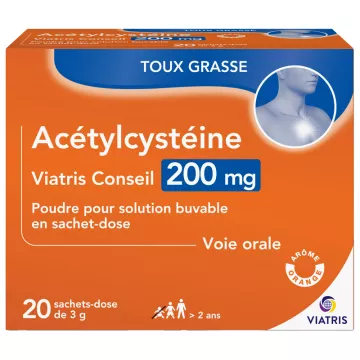
What are the different types of ear infections, and how can you recognize them?
An ear infection refers to inflammation of the ear, and treatment varies depending on the affected area. Ear care products and remedies for winter ailments are available in the store. For general information on ear pain and its causes, see the page on otalgia, which complements this article.
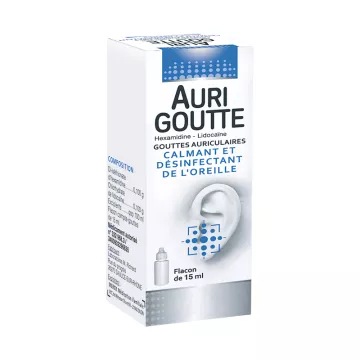
- External ear infection: infection of the external auditory canal—bacterial (Staphylococcus aureus, Pseudomonas aeruginosa) or fungal (Aspergillus, Candida)—main trigger: maceration of the canal after swimming (“swimmer’s ear”) — pain when pressure is applied to the tragus (cartilage in front of the ear) or when the outer ear is pulled — red, swollen ear canal, sometimes blocked — local treatment: prescription antibiotic ear drops + corticosteroids — no systemic antibiotics unless the infection spreads
- Acute otitis media (AOM): infection of the middle ear (behind the eardrum) — very common in children (shorter, more horizontal Eustachian tube — allowing bacteria to easily travel up from the nasopharynx) — often secondary to a cold or rhinitis — red, bulging eardrum with pus behind it — throbbing pain, fever, hearing loss — in children: crying, rubbing the ear, refusal to eat
- Serous otitis media (SOM): fluid in the middle ear without acute signs of infection — "glue ear" — often asymptomatic, discovered during a hearing loss evaluation — common after an unresolved acute otitis media (AOM) — may require transtympanic ventilation tubes (yoyos) if persistent and affecting hearing
- Inner ear infection (labyrinthitis): rarer—inflammation of the labyrinth—severe dizziness, nausea, vomiting, hearing loss, or sudden deafness—ENT emergency if suspected
What are the treatments and care options for otitis?
Otitis externa is treated topically—gentle heat (a warm compress on the outer ear) relieves pain while awaiting prescribed treatment. For acute otitis media, French guidelines (SPILF/SFP) recommend close monitoring with pain relievers for 48 to 72 hours for children over 2 years of age with moderate symptoms — antibiotics are not routinely prescribed and are reserved for severe cases, children under 2 years of age, or cases showing no improvement after 48 hours. Amoxicillin remains the antibiotic of choice.
- First-line pain relievers: acetaminophen (weight-based dose for children) — ibuprofen if there is significant inflammation — NEVER give aspirin to children under 15 years of age (Reye’s syndrome) — Pain is quickly relieved with an appropriate pain reliever, which helps distinguish it from more serious causes
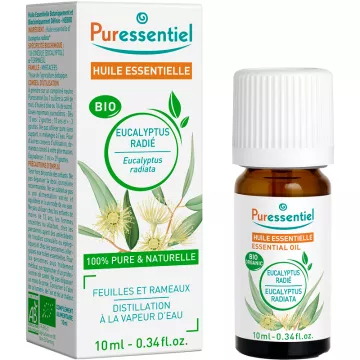
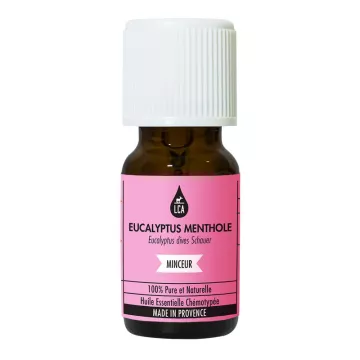
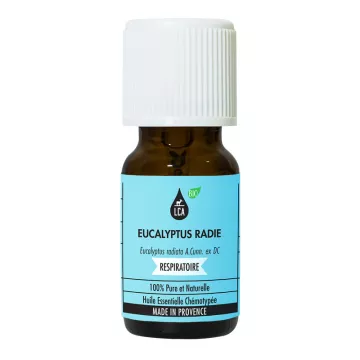
- Complementary natural remedies: honey in hot herbal tea with ginger (mild systemic anti-inflammatory) — eucalyptus inhalation if accompanied by rhinitis or nasopharyngitis (decongests the Eustachian tube) — warm compress on the ear (heat soothes pain) — these remedies complement but do not replace medical evaluation
- What to avoid: cotton swabs (push earwax deeper, risk of eardrum trauma) — over-the-counter ear drops (some are contraindicated in cases of a perforated eardrum) — swimming during an active ear infection — scuba diving if you have an ear infection
- Preventive vaccination for children: pneumococcal vaccine (Prevenar 13)—significantly reduces the incidence of pneumococcal otitis media—included in the vaccination schedule starting at 2 months of age
How can you prevent ear infections and protect hearing?
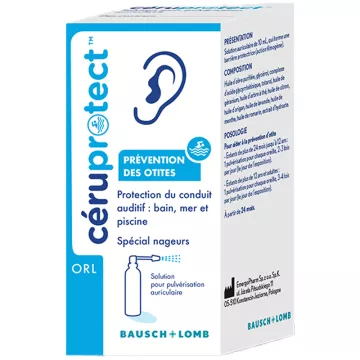
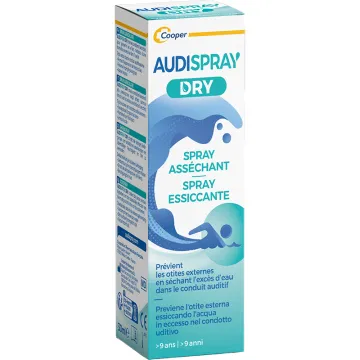
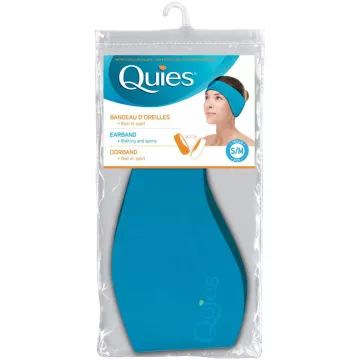
Preventing otitis externa requires proper ear hygiene: the ear canal is self-cleaning—earwax naturally moves outward. Drying the ears after each swim (tilt the head, shake the outer ear, never insert a cotton swab) and using appropriate earplugs at the pool significantly reduce the risk. For otitis media, promptly treating respiratory infections and avoiding secondhand smoke exposure in children (a chronic irritant to the nasal mucosa and the Eustachian tube) are the most effective preventive measures.
- Impact on hearing: fluid buildup in the middle ear causes temporary conductive hearing loss (20 to 40 dB)—generally reversible with treatment—in cases of recurrent or chronic otitis media; the risk of tympanic membrane damage (perforation, cholesteatoma) or damage to the ossicles increases—delayed speech development in a child with frequent ear infections should prompt an audiometric evaluation
- When to seek immediate care: fever > 38.5 °C in an infant — severe pain unresponsive to pain relievers — purulent discharge from the ear — sudden hearing loss — dizziness — swelling or redness behind the ear (mastoiditis—a medical emergency) — facial paralysis
- Chronic otitis media: an ear infection that lasts or recurs for more than 3 months requires ENT follow-up—may indicate a cholesteatoma (a destructive lesion of the middle ear), a persistent perforated eardrum, or severe Eustachian tube dysfunction requiring surgical intervention