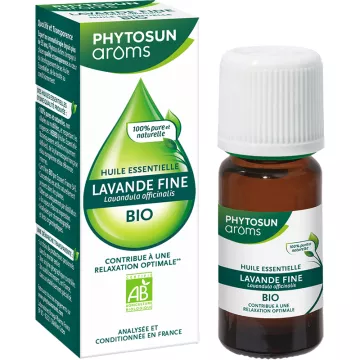
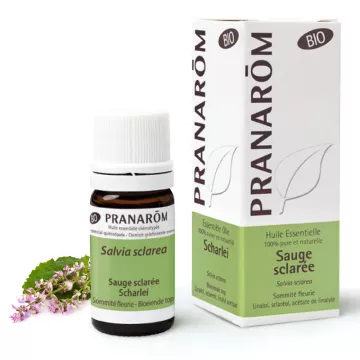
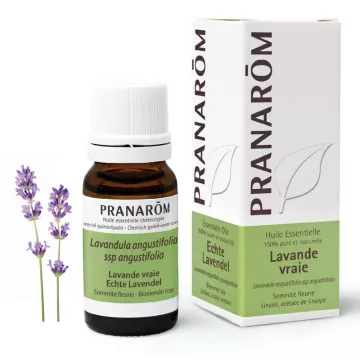
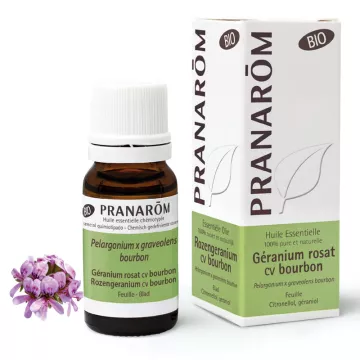
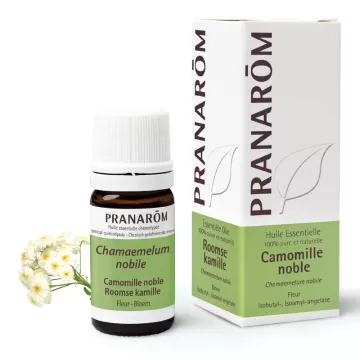
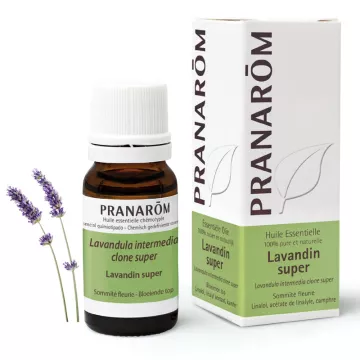
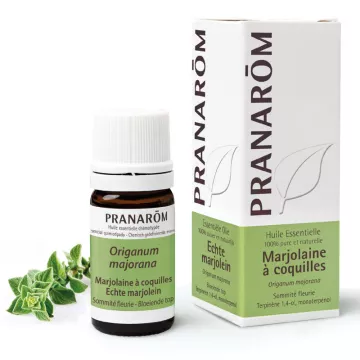
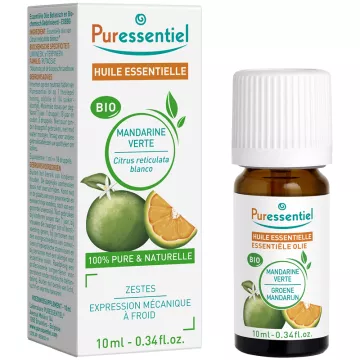
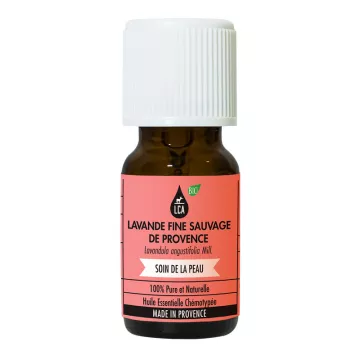
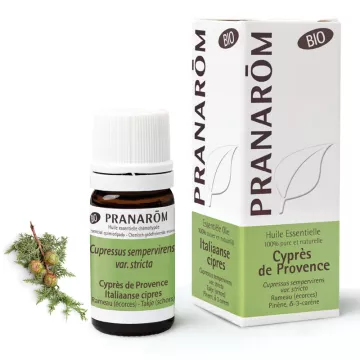
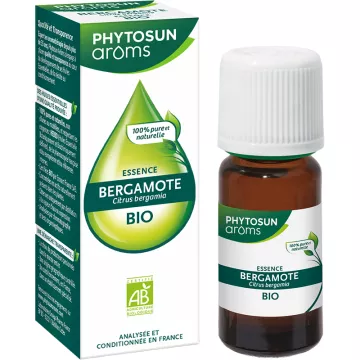
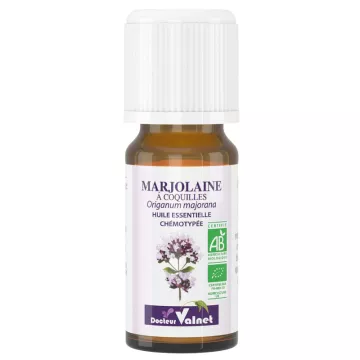
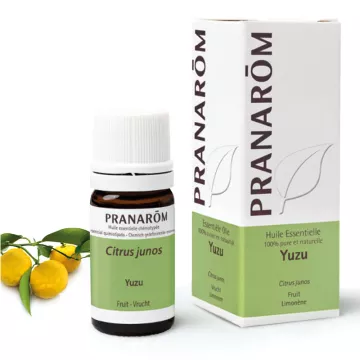
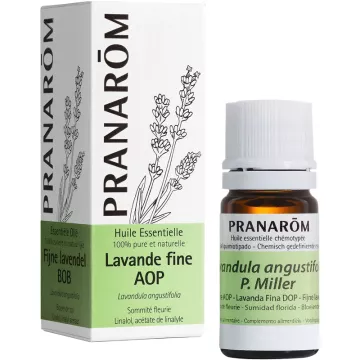
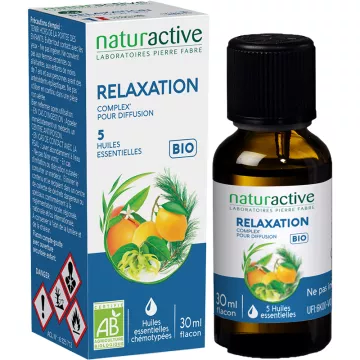
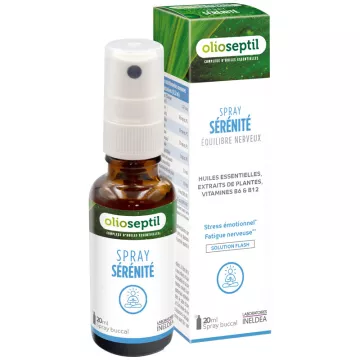
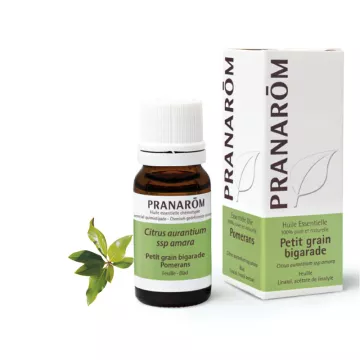
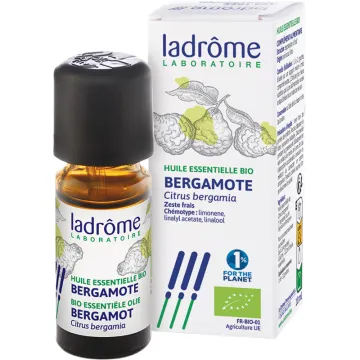
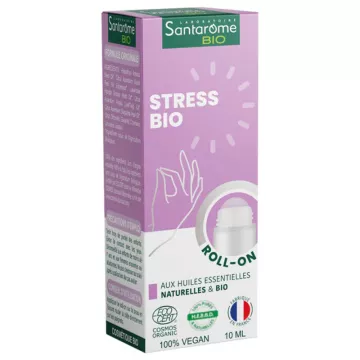
Need to take a break, slow down, or find some inner peace? At Soin-et-Nature, discover an expert selectionof essential oils known for their soothing effects on the nervous system—ideal for helping you through times of stress or burnout. Lavender, Petitgrain Bigarade, Chamomile… Natural allies to reduce stress and improve
More detailsIn everyday language, we talk about positive stress (eustress ) or negative stress (distress). Stress is different from anxiety; anxiety is an emotion, whereas stress is a response mechanism that can trigger various emotions, including anxiety.
To understand how this works, you need to understand the adrenergic system (commonly known as the sympathetic nervous system), whose neurotransmitters areadrenaline and norepinephrine.
Adrenaline plays a role in fear, anxiety, and stress. It is secreted in response to a stressful situation or in preparation for physical activity, causing an increased heart rate, faster heart contractions, higher blood pressure, and dilation of the bronchi and pupils. It responds to a need for energy, such as when facing danger.
When the secretionof adrenaline or norepinephrine increases significantly, or when there is too much of it in the body (even from an external source), this can lead to hypertension, cardiac arrhythmia, or asthma.
Stress is a natural reaction; it is a set of physical and physiological responses of the body to a specific situation that is considered stressful. It can affect anyone, most commonly for a short period of time. Stress is triggered by situations that pose a “threat” to the individual. These stressful situations can take various forms depending on the person’s age. A chronic stress situation, however, is pathological.
Originally, stress is a useful reaction that allows us to defend ourselves against external threats through certain reflexes. But sometimes, these reflexes get out of whack, leading to exaggerated expectations and responses. This is when stress symptoms appear, which gradually become bothersome or even debilitating.
A state of chronic stress can be considered pathological and may lead to digestive disorders, headaches, sleep disturbances, anxiety, insomnia, depression, musculoskeletal disorders, cardiovascular diseases, hormonal imbalances, and more.
Stress is the body’s physiological and psychological response to an event perceived as a challenge or a threat. It is triggered by situations that require rapid adaptation. This reaction, which is often temporary, becomes problematic when it turns chronic, leading to serious health imbalances.
Stress is divided into two main types:
It is important to note that stress is different fromanxiety, which is an emotion. Stress is a physiological mechanism that can induce various emotions, including anxiety.
In people with asthma, for example, stress can trigger a worsening of asthma-related symptoms. The same is true for people who are depressed, anxious, or have psychological disorders.
A stressful event triggers a chain reaction that begins in the brain and leads to the production of cortisol by the adrenal glands. Cortisol then, in turn, activates two areas of the brain: the cerebral cortex, so that it can respond to the stressful stimulus (flight, fight, freeze, compensation, etc.), and the hippocampus, which helps to calm the reaction. If the stress is too intense or prolonged, the hippocampus—saturated with cortisol —can no longer regulate the response. Cortisol floods the brain and leads to depression. The areas affected are primarily the hippocampus, the amygdala, the anterior cingulate cortex, and the prefrontal cortex.
The question is whether you’re a little or a lot stressed, with a risk of slipping into chronic stress. Stress sets in very gradually and insidiously; we don’t always realize it until we get a warning sign—which sometimes comes from those around us. So take stock by asking yourself the right questions and identifying the symptoms of stress. You can then move on to managing your stress.
Stress causes symptoms in three areas:
Chronic stress occurs when the body is constantly exposed to situations perceived as stressful. Unlike acute stress, which is temporary, chronic stress sets in gradually, overwhelming the body’s natural regulatory mechanisms. It results from a prolonged excess of cortisol, the primary stress hormone produced by the adrenal glands.
Soin-et-Nature offers a wide range of essential oils to address specific health and wellness needs. Here are the available subcategories:
These essential oils, available at Soin-et-Nature, provide natural, targeted solutions to improve your health and well-being every day.