What are nasal secretions, and what is their protective role?
Nasal secretions (nasal mucus) form the first line of defense for the respiratory tract: they trap inhaled dust particles, bacteria, viruses, and allergens before they reach the bronchi. Far from being a mere nuisance, their production is a physiological mechanism essential for maintaining respiratory health. Nasal care products and ENT supplements are available in the ENT Sphère line at the store.
- Composition: water (95%), mucins (gelling glycoproteins), secretory IgA (local antibodies), lysozyme (antibacterial enzyme), lactoferrin—continuously produced by the submucosal glands at a rate of 1 to 1.5 L/day in adults—the vast majority of which is swallowed unconsciously
- Mucociliary clearance: nasal cilia propel mucus laden with contaminants toward the nasopharynx (renewal every 10 to 20 minutes)—the primary respiratory tract cleansing system
- Interpretation of mucus color:
- Clear and runny: normal condition or early stage of a viral infection (cold) or allergic rhinitis
- Thick and white: dehydration or the end of a viral cold
- Yellow or green: immune response—neutrophils in the mucus—sign of an active infection (late-stage viral or bacterial)—not necessarily requiring antibiotic treatment
- Bloody: fragility of the submucosal capillaries (dry air, forceful nose-blowing) — see care for an irritated nose
What causes excessive nasal secretions, and how should the symptoms be interpreted?
- Viral infections: common cold (rhinovirus) and flu — acute hypersecretion lasting 7 to 10 days — mucus changing from clear to yellowish — see ENT infections
- Allergic rhinitis: abundant clear, watery mucus — repeated sneezing — nasal and eye itching — seasonal pollen allergy or perennial dust mite allergy
- Sinusitis: thick mucus trapped in the sinus cavities — inadequate drainage — facial pressure pain — potentially bacterial if greenish mucus persists for > 10 days with fever
- Non-allergic (vasomotor)rhinitis: triggered by temperature changes, strong odors, alcohol, or stress—clear mucus with no infectious or allergic component
- Contagiousness: Nasal secretions themselves are not contagious—the viruses that cause them are—wash hands regularly and do not share personal items (tissues, utensils)
How can you reduce nasal secretions naturally and prevent recurrences?
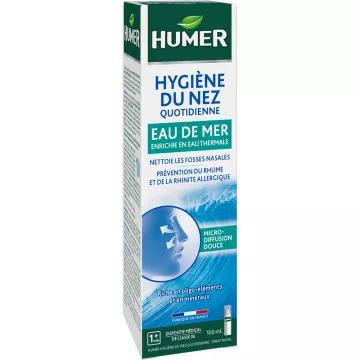
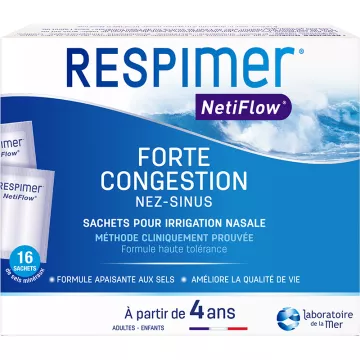
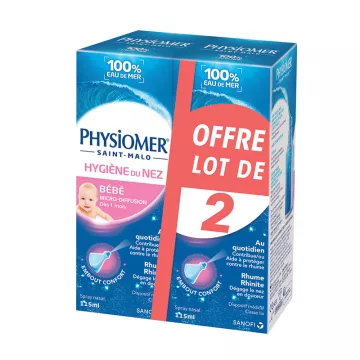
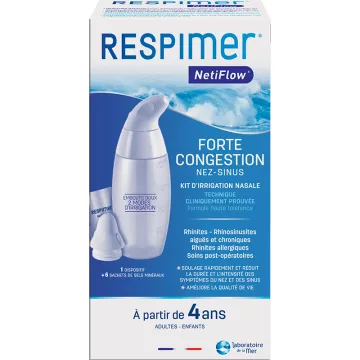
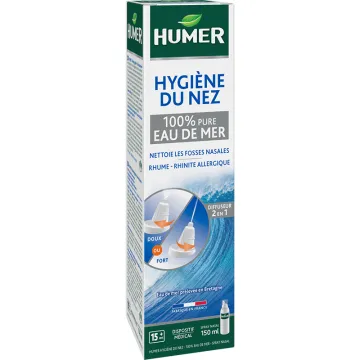
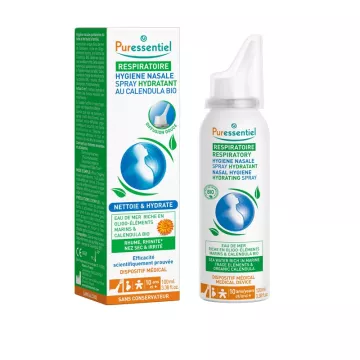
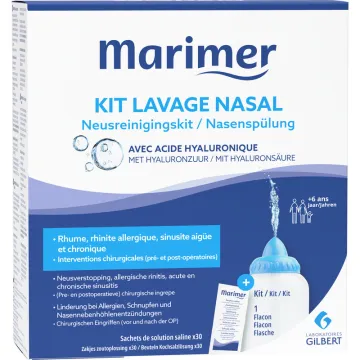
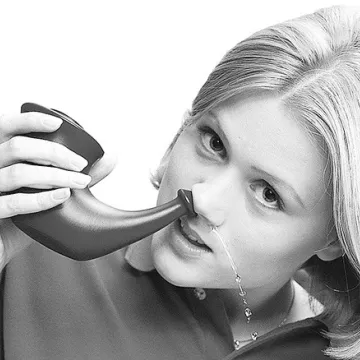
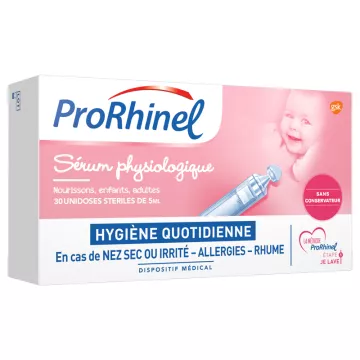
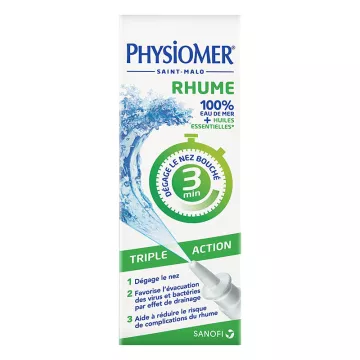
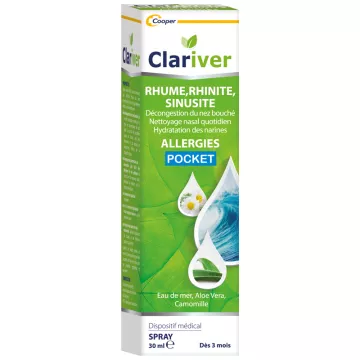
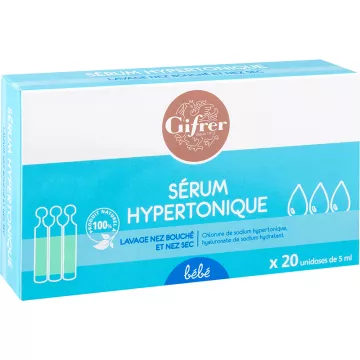
- Saline nasal irrigation: the most effective method—isotonic seawater or saline solution—mechanically flushes out mucus, allergens, and pathogens—see nasal irrigation andnasal hygiene
- Honey and lemon in hot herbal tea: soothes the throat, mild antibacterial effect—relieves throat irritation associated with postnasal drip—contraindicated in infants under 1 year
of- age
- Herbal infusions: thyme (expectorant and mucosal antiseptic—well-established use according to the EMA)— ginger (anti-inflammatory for the respiratory tract)— chamomile (soothes the mucous membranes)
- Essential oils for inhalation: Eucalyptus globulus (mucolytic and decongestant cineole) — peppermint (mucus-thinning menthol) — water at 42–45 °C, 2 to 3 drops diluted, 10 min — contraindicated for children under 7 years of age
- Prevention: hydration 1.5 to 2 L/day (to thin mucus) — humidifier if humidity < 40% — HEPA air purifiers (for allergens) — annual flu vaccination — avoid identified allergens