What is a sneeze, and how does it happen?
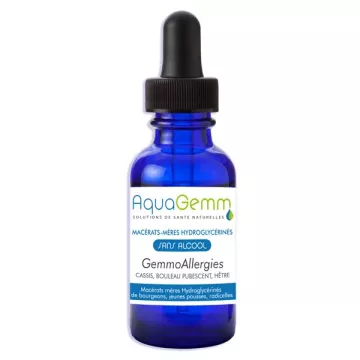
A sneeze is an involuntary protective reflex that abruptly expels air from the lungs through the nose and mouth (at a speed of approximately 150 km/h). It is triggered when nerve fibers of the trigeminal nerve in the nasal mucosa are stimulated by an irritant—the signal is transmitted to the sneezing center in the medulla oblongata, which coordinates the synchronized contraction of the diaphragm, the intercostal muscles, pharyngeal muscles, and the soft palate. ENT care products and allergy supplements are available in the store.
- Allergic rhinitis: the most common cause of repeated sneezing—release of histamine by nasal mast cells in response to allergens (pollen, dust mites, animal dander, mold)—accompanied by nasal and ocular itching, clear nasal discharge, and watery eyes—see treatments forseasonal allergies
- Viral infections: common cold (rhinovirus) — flu (influenza) — sneezing is one of the first symptoms, followed by nasal congestion and mucus
- Physical and chemical irritants: dust, pollution, smoke, strong perfumes— nose irritated by dry air (humidity < 40%)—spices (pepper, chili—direct stimulation of TRPV1 receptors)
- Photic reflex (ACHOO syndrome): sneezing triggered by sudden exposure to bright light — prevalence 18–35% of the population — genetically transmitted in an autosomal dominant manner — benign
How can we distinguish between allergic sneezing and infectious sneezing?
- Allergic sneezing: in bursts (≥ 5 in a row) — nasal itching, eye, and sometimes throat itching—clear, watery discharge—no fever—duration depends on allergen exposure—seasonal (spring and summer pollens) or year-round (dust mites in all seasons)
- Infectious sneezing (common cold): less in bursts, more isolated — mucus changing from clear to yellowish — possible moderate fever (< 38.5 °C) — sore throat, body aches — spontaneous resolution within 7 to 10 days
- Warning sign: sneezing accompanied by a fever > 38.5 °C, difficulty breathing, or a rash—may indicate a severe systemic allergic reaction or a complicated respiratory infection
What natural remedies and treatments are available for frequent sneezing?
- Nasal irrigation with saline solution: mechanically removes allergens and viruses from the nasal passages—reduces contact between the irritant and the mucosal nerve fibers—see nasal irrigation
- Chamomile (Matricaria chamomilla): apigenin and bisabolol—anti-inflammatory for the mucous membranes—as a warm infusion or gentle inhalation—cross-allergy with the Asteraceae family (daisy) is possible: perform a tolerance test beforehand
- Quercetin: a natural flavonoid (found in apples, onions, capers, and green tea) — a natural inhibitor of histamine release by mast cells — take as a course of treatment 2 to 4 weeks before the pollen season — combine with vitamin C for an antihistamine synergy
- Localhoney: traditionally used for desensitization to regional pollens—not validated as a medical desensitization treatment but well tolerated—take one spoonful in a hot herbal tea
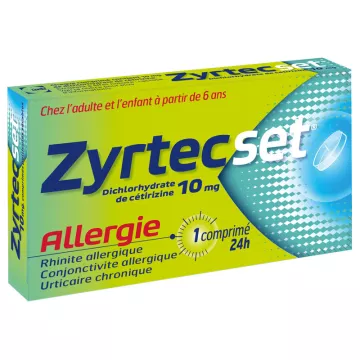
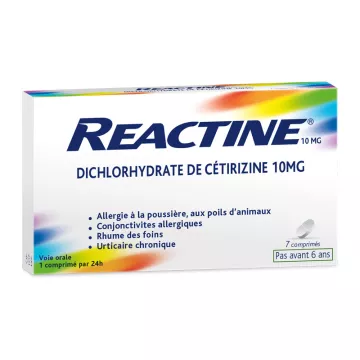
- Oral antihistamines (cetirizine, loratadine—second-generation, non-sedating): standard treatment for allergic rhinitis—take before exposure to allergens during high-risk periods—as advised by a doctor or pharmacist
- Prevention: HEPA air purifiers — keep windows closed during peak pollen seasons (RNSA — local pollen reports) — wash hair in the evening — ventilate for 10 minutes in the morning and evening outside of periods of high pollen counts