What is nasal congestion, and what causes it?
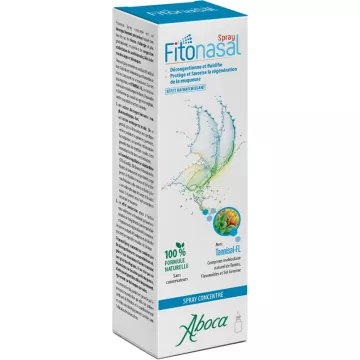
Nasal congestion (a stuffy nose) results from inflammation of the nasal mucosa combined with vasodilation of the submucosal blood vessels, causing swelling of the nasal turbinates and obstruction of airflow. This extremely common symptom can be acute or chronic, depending on its cause. Nasal care products are available in the store’s nasal hygiene and ENT sections.
- Viral infections: the common cold (rhinovirus, RSV) and the flu—the most common cause of acute congestion—spontaneous resolution within 7 to 10 days— nasal secretions change from clear to yellowish toward the end of the episode (which does not necessarily indicate a bacterial superinfection)
- Allergic rhinitis: allergy to pollen (seasonal) or to dust mites, mold, and pets (perennial)—congestion often accompanied by clear discharge, sneezing, and nasal itching—persists as long as exposure to the allergen continues
- Sinusitis: inflammation of the paranasal sinuses that blocks their natural drainage — pressure-like pain in the forehead, cheekbones, or around the eyes — may develop as a complication of an unresolved cold
- Deviated nasal septum: an anatomical asymmetry that obstructs one nasal passage—chronic unilateral congestion—surgical treatment (septoplasty) if there is significant functional impairment
- Dry, cold air (humidity < 40%—irritation and drying of the nasal mucosa)—air pollutants—pregnancy (estrogen-induced pregnancy rhinitis)
How can you distinguish between allergic congestion and infectious congestion?
- Allergic congestion: clear, watery nasal discharge — repeated sneezing — nasal and ocular itching — no fever — duration varies depending on allergen exposure — seasonal (spring and summer pollens) or perennial (dust mites year-round)
- Infectious congestion (common cold): limited duration (7 to 10 days) — secretions changing from clear to yellowish — possible moderate fever (< 38.5 °C) — associated body aches and fatigue — no nasal itching
- If doubt persists: allergy testing (skin prick test or specific serum IgE) by an allergist — also differentiate from nasosinusal polyposis (chronic bilateral congestion, loss of smell)
What treatments and care are available for nasal congestion?
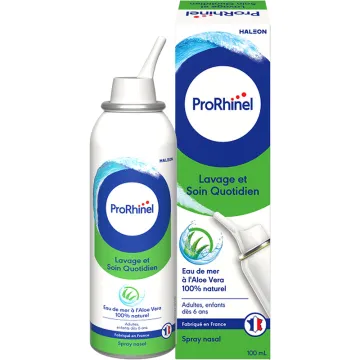
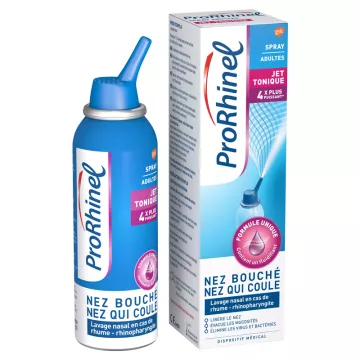
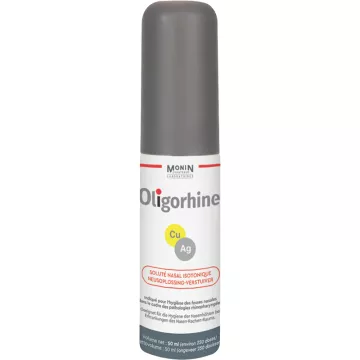
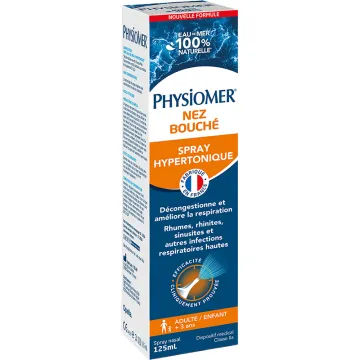
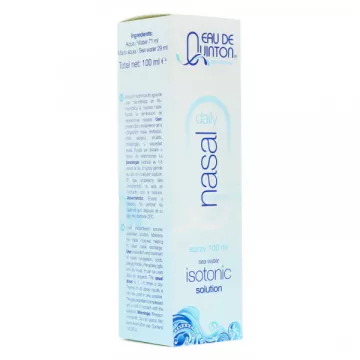
- Nasal irrigation with saline solution or isotonic seawater: first-line treatment — mechanically removes mucus, allergens, and viruses — repeat 3 to 4 times a day during the acute phase — no contraindications (except for current ear infection) — see also dailynasal hygiene
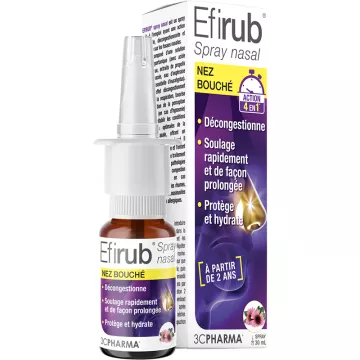
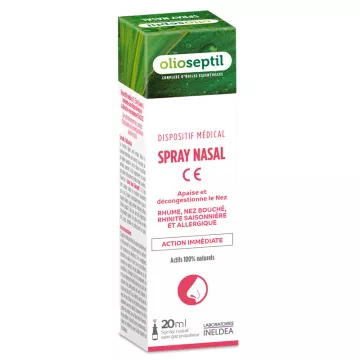
- Topical nasal decongestants (oxymetazoline, xylometazoline): local vasoconstrictors — fast-acting (5 to 10 min) — maximum duration of use 3 to 5 days — beyond that, risk of medication-induced rhinitis (rebound congestion that intensifies each time the spray is stopped — a vicious cycle) — contraindicated in children under 15 years of age and in cases of uncontrolled high blood pressure
- Oral decongestants (pseudoephedrine): systemic effects (increased blood pressure, palpitations, insomnia) — contraindicated in patients with hypertension, heart disease, and pregnant women — use only under medical or pharmaceutical supervision
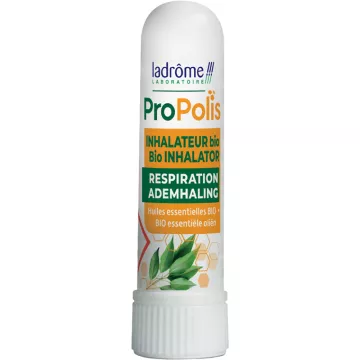
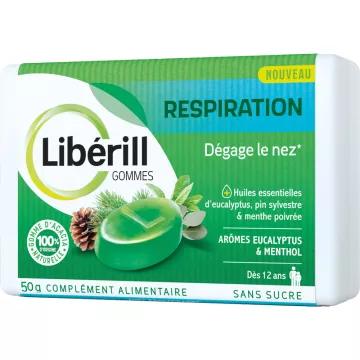
- Steam inhalation and eucalyptus: hot water at 42–45 °C with a few drops of Eucalyptus globulus essential oil — moisturizes the mucous membranes, thins mucus — contraindicated for children under 7 years of age
- Antihistamines (allergic rhinitis)—nasal corticosteroids (persistent allergic rhinitis or polyposis)— stuffy nose: see specific treatments—humidifiers if indoor air is too dry