What is nasal irrigation, and what are its indications?
Nasal irrigation is anasal hygiene technique that involves instilling a saline solution into the nasal passages to remove mucus, allergens, viruses, and irritants. It is the recommended first step before any nasal medication treatment. Nasal irrigation devices and suitable solutions are available in the store’s nasal hygiene section.
- Main uses: colds and ENT infections — nasal congestion and a stuffy nose — allergic rhinitis (rinsing out pollen and allergens after exposure) — sinusitis (removal of thickened mucus, reduction of inflammation, prevention of recurrences) — dry nose and compromised nasal mucosa
- Documented benefits: significant improvement in nasal symptoms in chronic rhinitis (randomized studies) — reduction in the frequency and duration of infectious episodes — support for mucociliary clearance — preparation of the mucosa prior to the instillation of nasal medications (corticosteroids, antihistamines)
- Contraindications: acute otitis media (risk of spreading the infection via the Eustachian tube) — complete nasal obstruction (ineffective) — recent ENT surgery (wait until advised by a doctor)
How to perform a nasal rinse correctly?
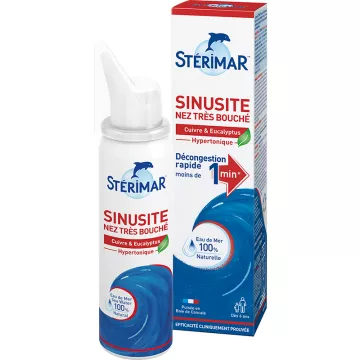
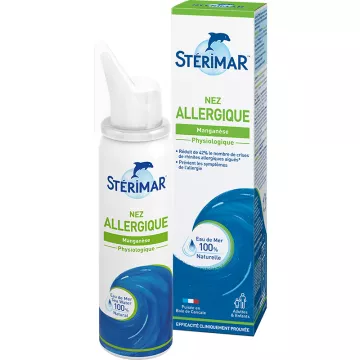
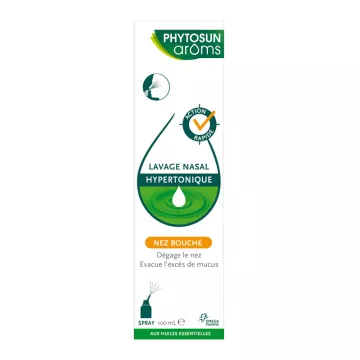
- Saline solution: isotonic (9 g of salt/L—physiological concentration, non-irritating) for daily use—hypertonic (> 9 g/L) for periods of severe congestion (more potent decongestant effect) — never use untreated tap water (risk of contamination by Naegleria fowleri and other amoebae) — always use cooled boiled water or sterile distilled water for homemade solutions
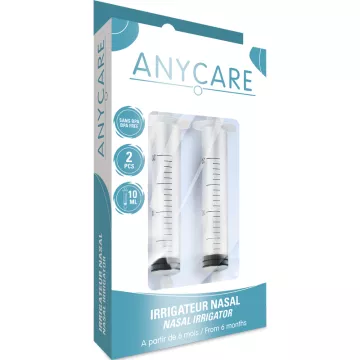
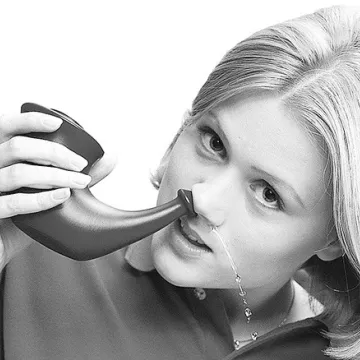
- Neti pot or flexible bottle protocol: lean over the sink with your head tilted 45° to the side — gently insert the tip into the upper nostril — allow the solution to flow out through the lower nostril — do not pinch your nose during rinsing — blow gently, alternating sides, to clear residual mucus — repeat on the other side
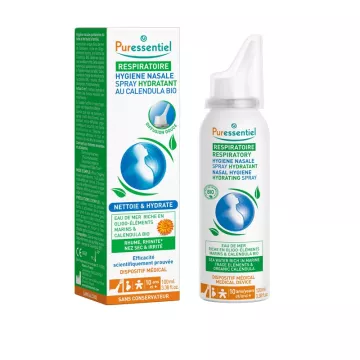
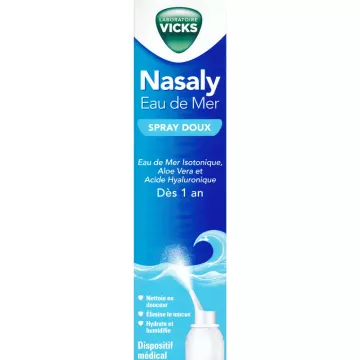
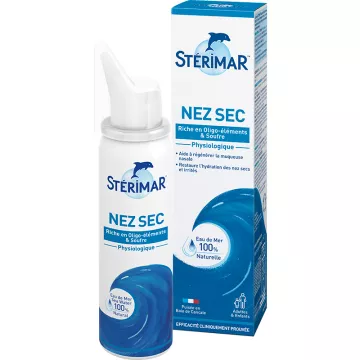
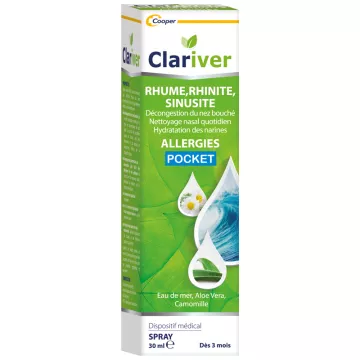
- Saline spray (a less invasive alternative): Spray directly into each nostril, with your head tilted slightly forward — recommended for daily preventive use or for people who cannot tolerate continuous-flow irrigation — less effective for severe congestion and sinusitis
- Recommended frequency: 1 to 2 times per day for prevention or maintenance — 3 to 4 times per day during acute episodes (cold, sinusitis, severe seasonal allergies) — do not exceed 4 times per day to avoid mucosal irritation from over-rinsing
- Cleaning the device: Rinse with boiling water after each use — let air dry with the tip pointing downward — never leave solution standing in the device — replace the Neti pot or bottle every 3 to 6 months
How to perform nasal irrigation for infants and children?
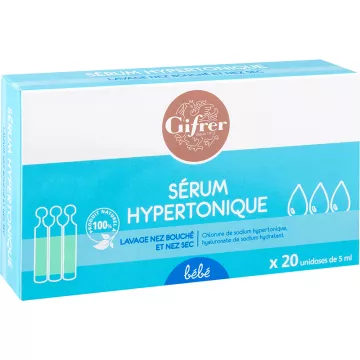
- Infants (0–2 years): Nasal decongestion is essential before feedings (infants rely entirely on nasal breathing) — Lay the infant on their back with their head slightly tilted — Instill 2 to 3 drops of saline solution into each nostril using a dropper — Gently suction with a nasal aspirator (either mouth-operated or electric) — Use products specifically designed for infants in the baby nasal care line
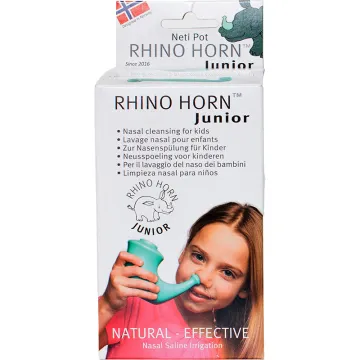
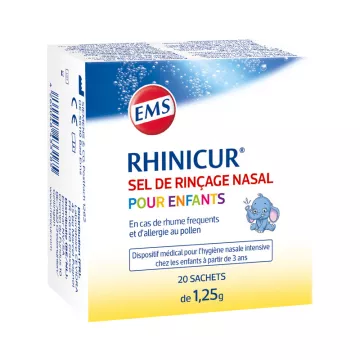
- Children (2–12 years): a mild nasal spray with an age-appropriate spray pattern — a pediatric Neti pot may be used starting at 4–5 years of age, depending on the child’s maturity — use only isotonic solution — explain the procedure to the child and reassure them before the first use
- General precautions: Never force or cause irritation—consult a pediatrician if there is an associated ENT infection—never use a vasoconstrictor decongestant spray on children under 15 years of age