What is nasal hygiene, and why is it essential?
Nasal hygiene refers to all the practices that help keep the nasal passages clean, moisturized, and clear. It is the first line of defense in preventive ENT care: by regularly removing pathogens, allergens, and pollutants before they reach the deep respiratory tract, it strengthens the natural mucociliary barrier. Nasal hygiene products are available in the nasal hygiene and ENT sections of the store.
- Protective role of the nasal mucosa: the mucosa lines the nasal cavities with a film of mucus (mucociliary clearance) that traps particles > 10 µm, viruses, bacteria, and allergens—the cilia (300 cilia per cell, 1,000 beats/min) transport them to the pharynx for elimination—when the mucosa is dry or congested, these defenses are compromised
- Primary indications: nasal congestion — runny nose — frequent sneezing — allergic rhinitis — prevention of ENT infections during the winter — dry, dusty, or polluted environments
- Benefits for sleep: a nasal rinse in the evening clears the nasal passages, reduces nighttime snoring, and improves breathing quality during sleep—recommended for mild sleep apnea as a supplement to prescribed treatment
What are the methods of nasal hygiene, and how should they be performed?
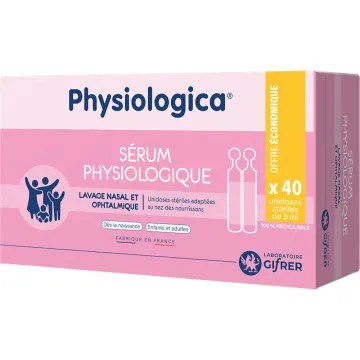
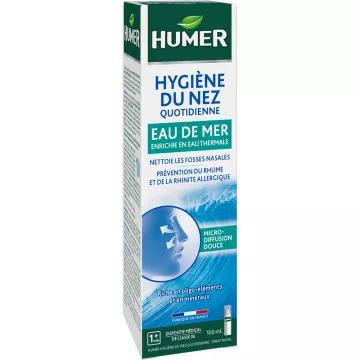
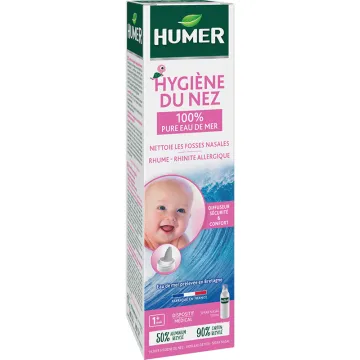
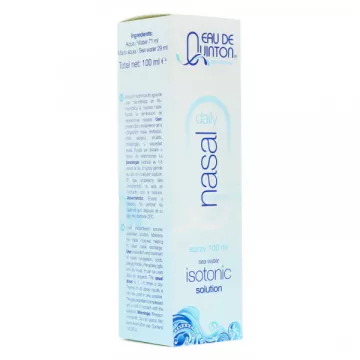
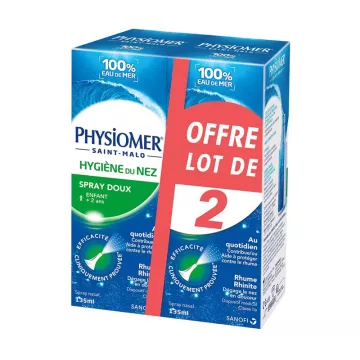
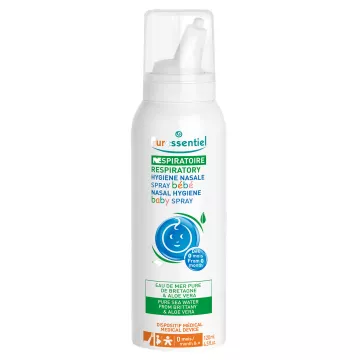
- Isotonic nasal spray (seawater with 9 g/L of salt): the most practical and common format—spray into each nostril with your head tilted slightly forward—removes surface mucus and allergens—suitable for adults, children as young as 1 month old, and infants — no contraindications (except for current acute otitis media) — repeat 2 to 4 times a day as needed
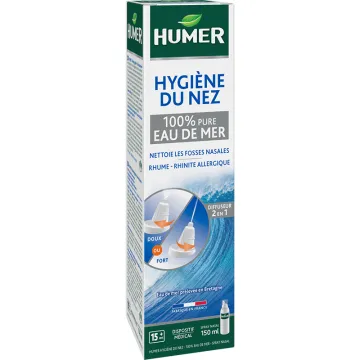
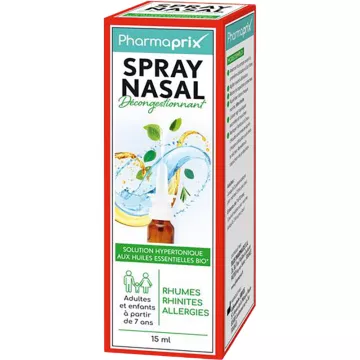
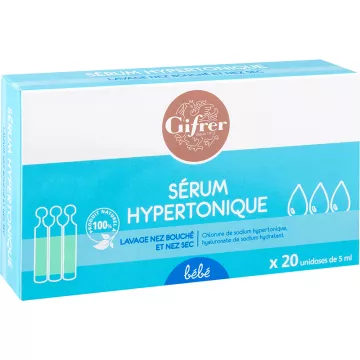
- Hypertonic nasal spray (salt concentration > 9 g/L): more powerful decongestant effect—thins thick mucus—to be used as a short-term treatment (5 to 7 days) during infections or severe congestion—contraindicated in infants under 2 months of age
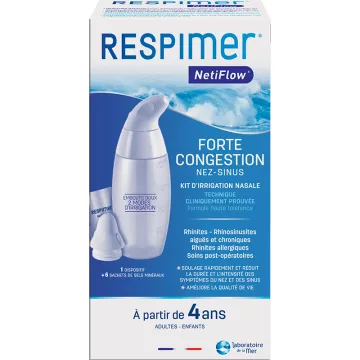
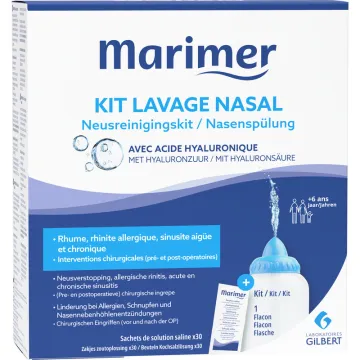
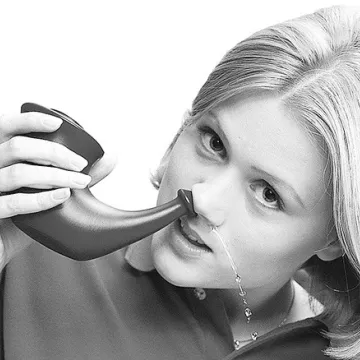
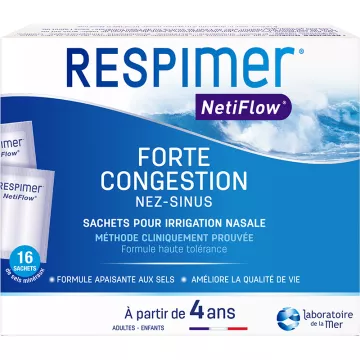
- Nasal irrigation with a Neti pot or flexible bottle: the most effective method for deep cleansing—isotonic saline solution prepared with cooled boiled water + 9 g of salt per liter (never use untreated tap water—risk of infection) — Tilt your head to one side at a 45° angle; insert the solution into the upper nostril; let it drain out through the lower nostril — alternate sides — clean and dry the device thoroughly after each use
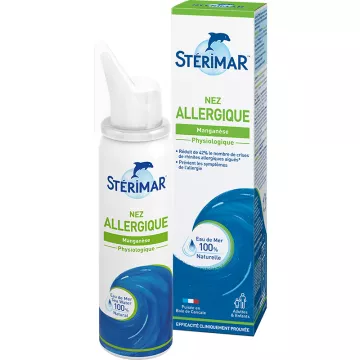
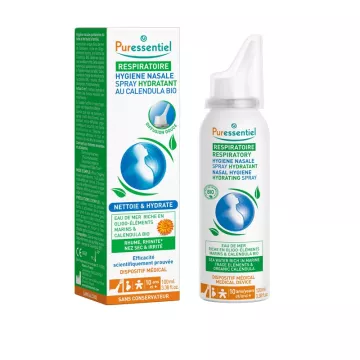
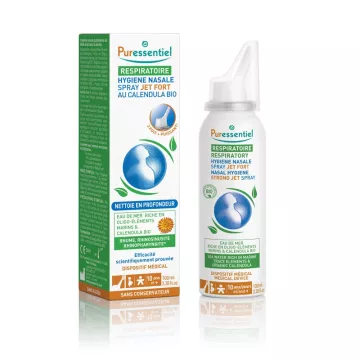
- Seawater rich in trace elements (natural seawater sprays): minerals (magnesium, zinc, silica) and trace elements that support the mucous membrane’s defenses — particularly suitable for daily preventive use and for irritated and dry noses
How can you incorporate nasal hygiene into your daily routine?
- Morning and evening routine: nasal irrigation in the morning to remove overnight buildup (mucus, dust mites from bedding)—nasal irrigation in the evening to cleanse out pollen and particles accumulated during the day—after leaving a dusty or polluted environment
- During seasonal allergy season: rinse after every outing during periods of high pollen counts to remove pollen deposited on the nasal lining—combine with regular nasal rinsing and taking antihistamines as directed by a healthcare professional
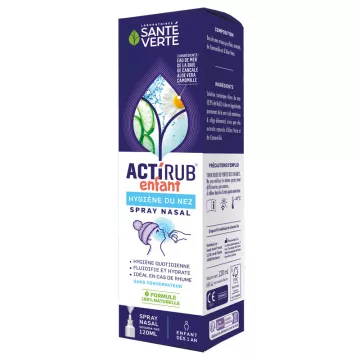
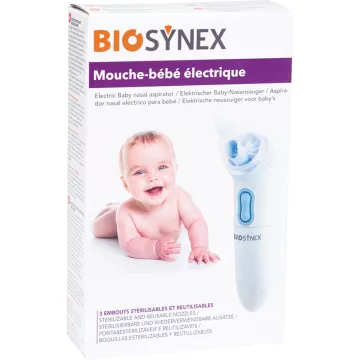
- For children: Nasal decongestion is essential before feedings in infants (breathing must be through the nose) — mild sprays appropriate for each age group — gentle techniques adapted for infants (lying on the back, gentle instillation into each nostril)
- Saline sprays vs. nasal medications: Saline sprays are medical devices that contain no active pharmaceutical ingredients—they can be used indefinitely without side effects—nasal corticosteroids and nasal antihistamines are medications available by doctor’s recommendation or prescription and should not be confused with saline solutions