What is a sore nose, and what are its symptoms?
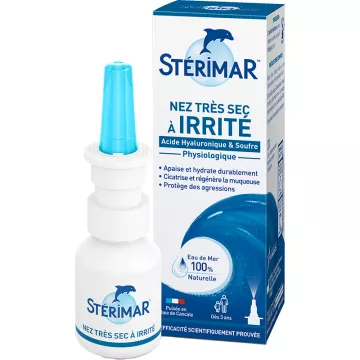
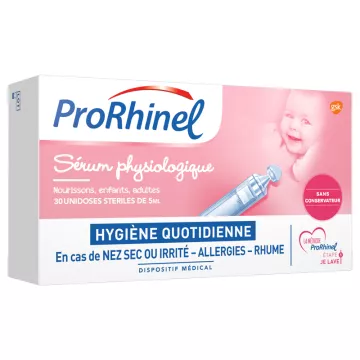
An irritated nose refers to a condition of discomfort in the nasal mucosa characterized by itching, burning, tingling, or redness in the nostrils. The mucous membrane, normally protected by a layer of mucus, can become compromised due to repeated or occasional irritation. Products for dry noses and dailynasal hygiene are available in the store.
- Characteristic symptoms: intense nasal itching — burning and tingling inside and on the sides of the nose — redness and swelling of the nostrils — repeated sneezing — clear, watery discharge (allergy) or thickened (infection) — possible associated nasal congestion
- Main causes: allergic rhinitis (pollen, dust mites, animals—see allergy)—viral infections (common cold, flu)—air that is too dry (humidity < 40%)—air pollutants (NO₂, fine particulate matter, VOCs) — excessive use of tissues (repeated rubbing weakens the nasal lining) — medication-induced rhinitis (topical vasoconstrictors used for > 3–5 days)
- Allergic vs. Infectious Nasal Irritation: allergic (intense itching + repeated sneezing + clear mucus + no fever + persistent allergen present) — infectious (thickened, yellowing mucus + possible fever + fatigue + associated facial pain)
What natural remedies can relieve a sore nose?
- Isotonic saline spray or moisturizing nasal gel: top priority — gently rinse the nostrils with saline solution or seawater — removes irritants and rehydrates the mucous membrane — rinse the nose 2 to 3 times a day depending on symptom severity
- Aloe vera gel: apply a thin layer to the entrance of the nostrils — soothing, healing, and moisturizing active ingredient — relieves burning and itching in reddened nostrils — a 48-hour tolerance test is recommended beforehand
- Coconut oil: forms a protective, emollient oil film on the sides of the nose and nostrils—lauric acid has mild antibacterial properties—prevents dryness in cold or dry environments
- Gentle steam inhalation: hot water at 42–45 °C, a few drops of dilutedEucalyptus globulus — moisturizes the irritated mucous membrane and reduces inflammation — 10 minutes, 1 to 2 times a day — not recommended for children under 7
- Warm compresses: a warm compress applied to the sides of the nose and the forehead—dilates local blood vessels, relieves pressure and facial pain—repeat 2 to 3 times a day
- Humidifier: Maintain humidity at 40–60%—essential in winter (heating + dry air) and in air-conditioned spaces—to prevent mucous membrane dryness
How can you prevent a stuffy nose during high-risk periods?
- Allergy season: Keep windows closed during peak pollen hours (morning and late afternoon)—rinse your nose when you return from outside to remove pollen—use HEPA air purifiers—follow RNSA pollen reports
- Pollution spikes: limit time spent outdoors during episodes of air pollution (monitor the ATMO Index) — wear an FFP2 mask if necessary — keep windows closed and ventilate during off-peak hours
- Medication-induced rhinitis: Never use a vasoconstrictor spray for more than 3 to 5 consecutive days—if dependence has developed, gradually taper off under medical supervision and replace with a saline spray and nasal corticosteroid
- Wash hands regularly — clean air conditioning filters — quit smoking (Tabac Info Service: 3989) — drink 1.5 to 2 L of water per day