Why do we have a stuffy nose, and what causes it?
A stuffy nose (nasal obstruction) is one of the most common symptoms in ENT medicine—it results from swelling of the nasal mucosa and turbinates, excessive mucus production, or a structural abnormality that restricts airflow. Treatments and products for nasal congestion are available in the ENT section of the store.
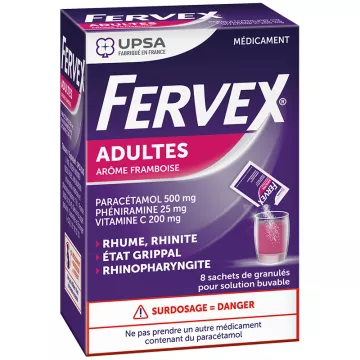
- Viral infections: the common cold (rhinovirus) and the flu—acute inflammation of the mucous membrane—clear then yellowish mucus—spontaneous resolution within 7 to 10 days
- Allergic rhinitis: reaction to pollen, dust mites, animal dander — repeated sneezing, itchy nose, clear discharge — no fever — seasonal or perennial — seeallergy treatments
- Sinusitis: congestion with blocked sinus drainage—frontomaxillary pressure pain—possible fever—may become chronic if left untreated
- Structural causes: deviated nasal septum (chronic unilateral congestion) — nasal polyps (progressive bilateral obstruction with loss of smell) — hypertrophy of the turbinates — requiring specialized ENT evaluation
- Aggravating factors: dry air (humidity < 40%)—sudden temperature changes—tobacco smoke—prolonged use of decongestants (medication-induced rhinitis after 3–5 days)
How can you relieve a stuffy nose naturally?
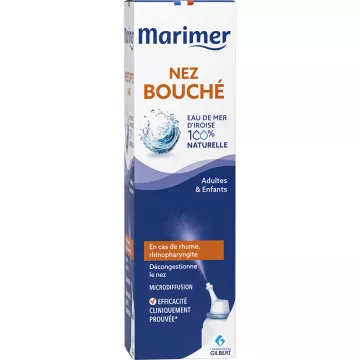
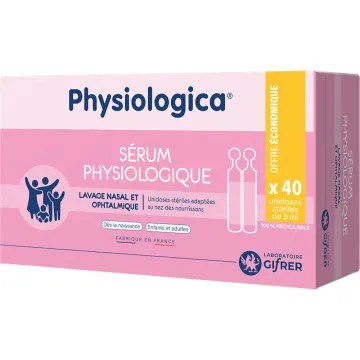
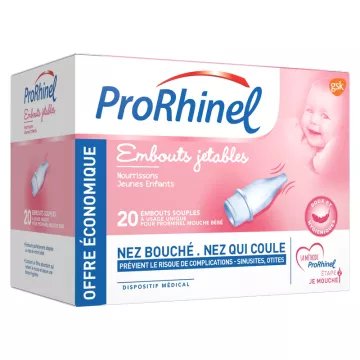
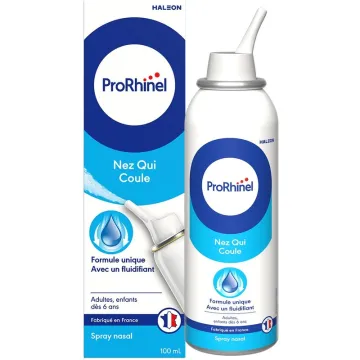
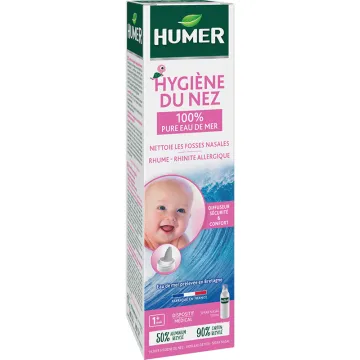
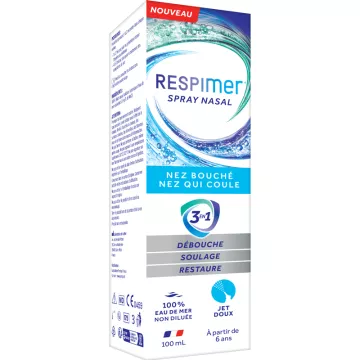
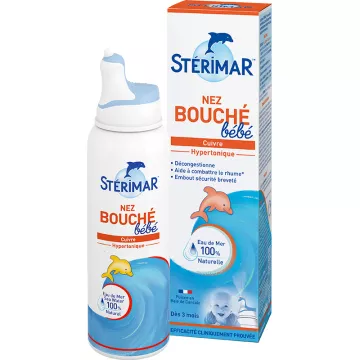
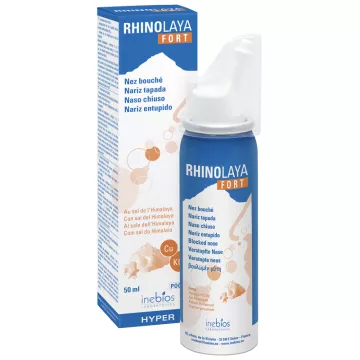
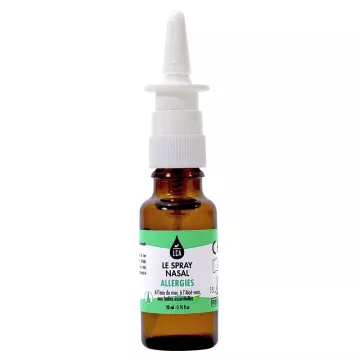
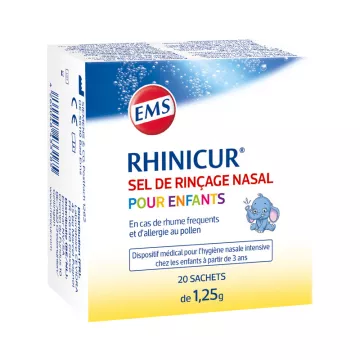
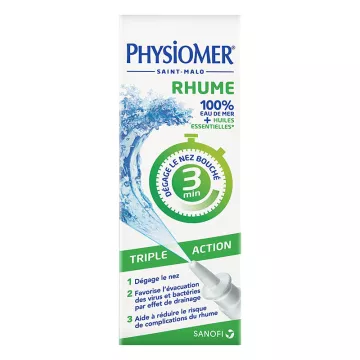
- Saline nasal irrigation: recommended — normal saline or isotonic seawater — removes mucus, allergens, and viruses — 2 to 4 times per day during the acute phase — see nasal irrigation andnasal hygiene
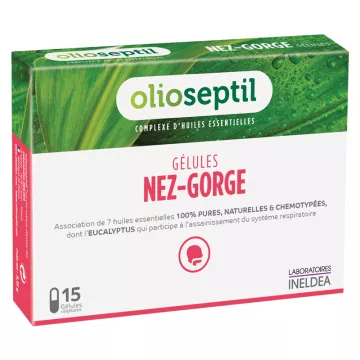
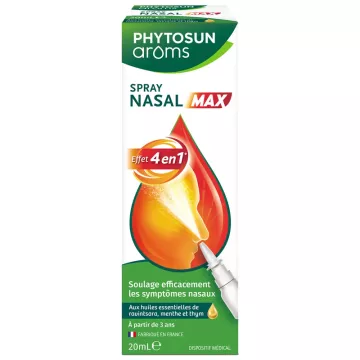
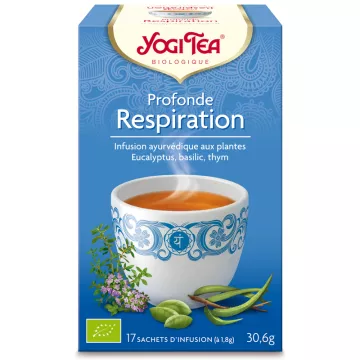
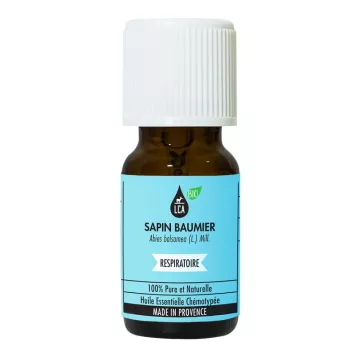
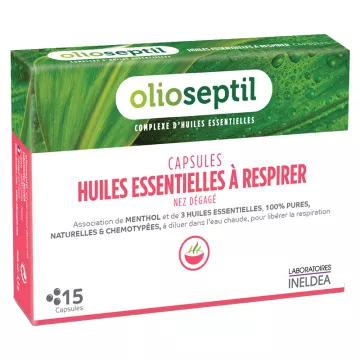
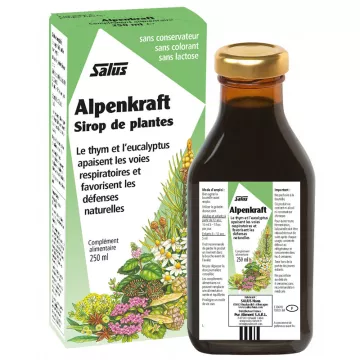
- Eucalyptus steam inhalation: hot water at 42–45 °C, a few drops of diluted essential oil—1,8-cineole, which is mucolytic and decongestant — 10 minutes, 2 to 3 times a day — contraindicated for children under 7 years of age
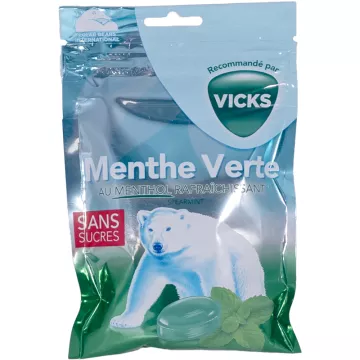
- Peppermint: menthol — sensation of easier breathing and mild decongestion — via room diffusion or gentle inhalation — contraindicated for children under 7 years of age
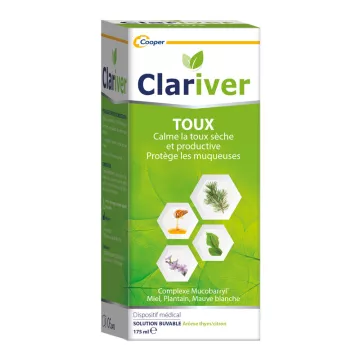
- Honey and ginger in hot herbal tea: soothing, anti-inflammatory for mucous membranes — relieves irritating postnasal drip — contraindicated for infants under 1 year of age
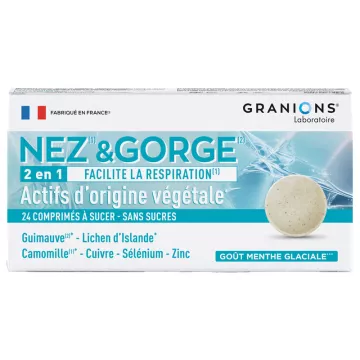
- Chamomile: anti-inflammatory apigenin and bisabolol — as an infusion or gentle inhalation — possible cross-allergy with Asteraceae (daisy) — prior tolerance test required
- Nutrition: vitamin C (mucosal immunity—citrus fruits, kiwi, bell peppers) — turmeric and ginger (anti-inflammatory) — omega-3 (reduces mucosal edema) — hydration: 1.5 to 2 L/day
What are the chronic forms of a stuffy nose, and when should you see a doctor?
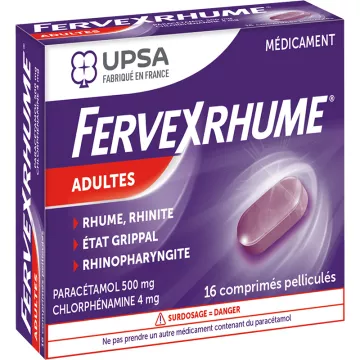
- Standard medical treatments: topical decongestants (vasoconstrictors — 3 to 5 days maximum) — oral antihistamines (allergic rhinitis) — nasal corticosteroids (chronic rhinitis or polyposis — prolonged anti-inflammatory action) — immunotherapy (desensitization by an allergist)
- Chronic nasal congestion: if congestion persists for more than 3 weeks despite standard care—see an ENT specialist for a nasal endoscopy—allergy testing if suspected—sinus CT scan if polyposis or chronic sinusitis is suspected
- Complications of an untreated stuffy nose: chronic sinusitis — otitis media (especially in children) — sleep disorders (snoring, apnea) — chronic fatigue due to lack of nighttime oxygenation
- Quit smoking (Tobacco Info Service: 3989)—use a humidifier if the air is dry—use HEPA air purifiers if allergies are present