Why do we get a runny nose, and what causes it?
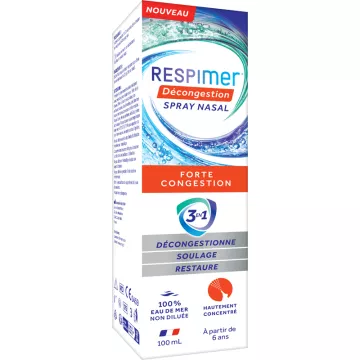
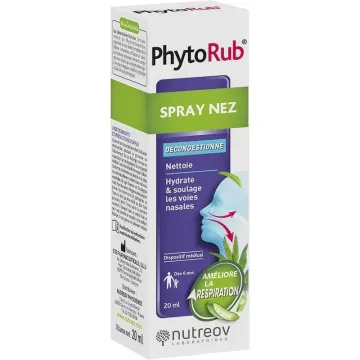
A runny nose (rhinorrhea) is one of the most common nasal symptoms—it results from excessive mucus production by the submucosal glands in the nasal cavities. The nature and color of the mucus often provide clues as to the cause. Treatments for associated nasal congestion andnasal hygiene products are available in the store.
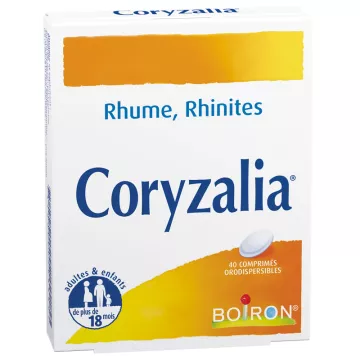
- Infectious rhinitis: common cold (rhinovirus, RSV)—clear mucus at the onset, turning yellowish toward the end of the infection—possible sore throat and fever—resolves in 7 to 10 days in adults
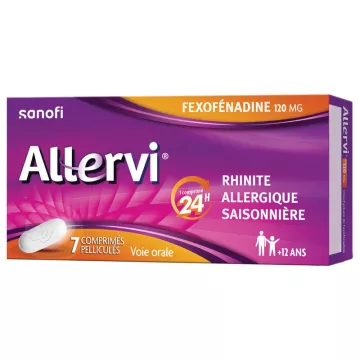
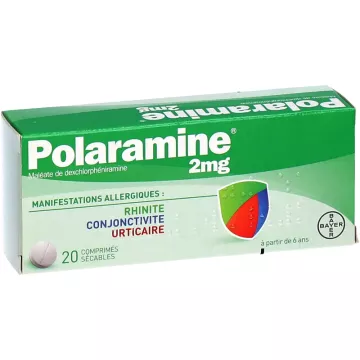
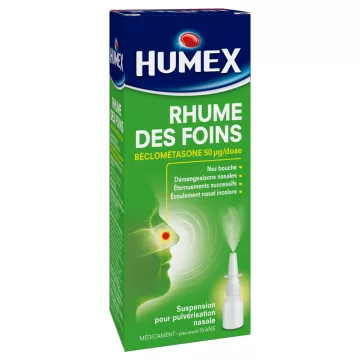
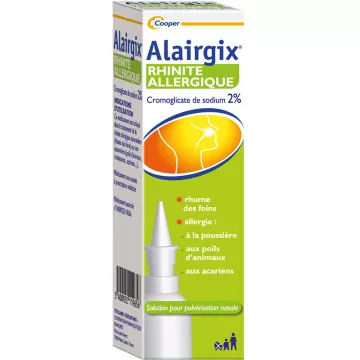
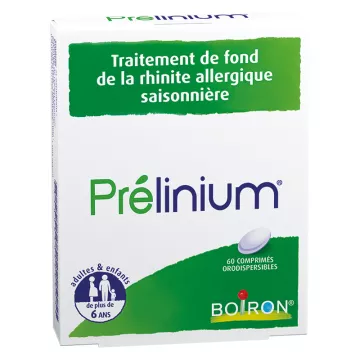
- Allergic rhinitis: pollen, dust mites, animal dander — clear, watery, and runny mucus — repeated sneezing, itchy nose and eyes — no fever — persists as long as exposure tothe allergen continues
- Environmental factors: cold, dry air (humidity < 40%) — pollutants (NO₂, VOCs) — sudden temperature changes (reflex vasomotor rhinitis) — global warming, which prolongs pollen seasons
- Key difference between a cold and an allergy: common cold (possible fever + sore throat + cough + mucus turning yellowish, 7–10 days) — allergy (intense itching + sneezing fits + mucus always clear + no fever + duration depends on the allergen)
What natural remedies can stop a runny nose?
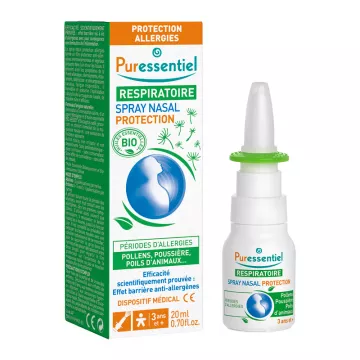
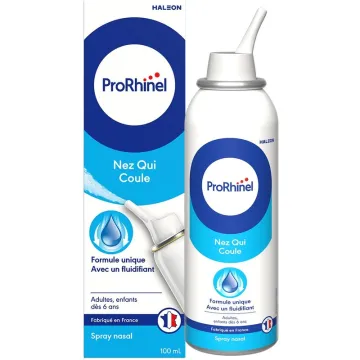
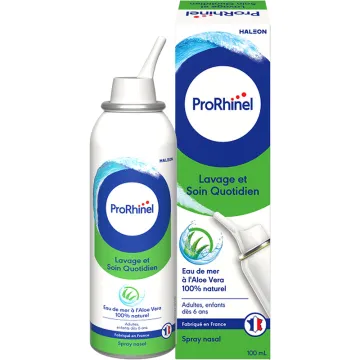
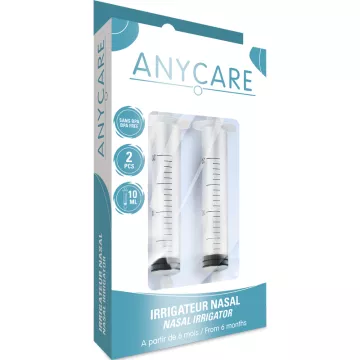
- Saline nasal rinse: essential step — isotonic seawater or saline solution — removes excess mucus, allergens, and viruses — 2 to 4 times daily during the acute phase — see nasal rinse
- Eucalyptus steam inhalation: hot water at 42–45 °C, 2 to 3 diluted drops of essential oil — cineole, which is mucolytic and decongestant — moisturizes the mucous membranes and reduces rhinorrhea — 10 minutes, twice daily — contraindicated for children under 7 years of age
- Peppermint: menthol — sensation of easier breathing — used in a room diffuser or with a few drops diluted in an inhalation bowl — contraindicated for children under 7 years of age and for pregnant women
- Hydration and hot herbal teas: 1.5 to 2 L/day — the warm, moist steam from herbal teas (thyme, ginger) moisturizes the mucous membranes and thins mucus — sleep with your head slightly elevated to facilitate drainage during the night
- Room humidifier: Maintain humidity at 40–60%—this prevents the reflex thickening of mucus caused by drying of the mucous membranes
How should a runny nose in children be managed, and how can recurrences be prevented?
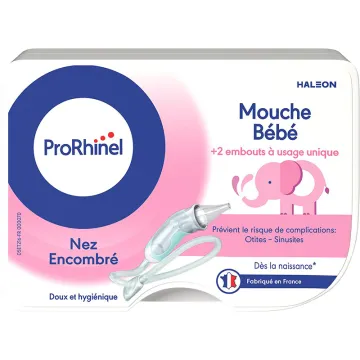
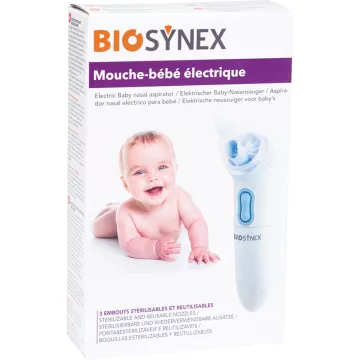
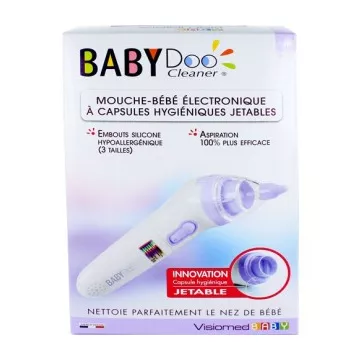
- Infants and children under 2 years of age: saline drops—gently suction the nose with a nasal aspirator before feedings—never use vasoconstrictors or sedating antihistamines before age 15 — See a pediatrician if a fever exceeds 38 °C in an infant under 3 months of age or if discharge persists
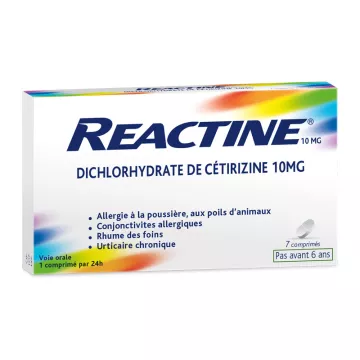
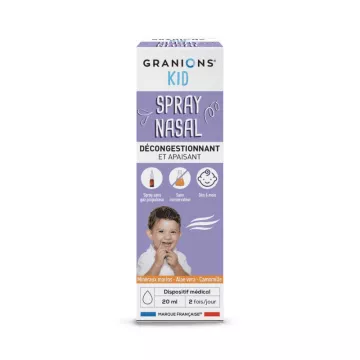
- Children over 2 years of age: age-appropriate mild saline nasal spray — improved respiratory comfort through humidifying the room — second-generation antihistamines (cetirizine) in cases of confirmed allergic rhinitis — as advised by a pediatrician
- Prevention of recurrence: daily nasal irrigation during winter or pollen season — HEPA air purifiers — keep windows closed during peak pollen seasons (RNSA) — regular handwashing — quit smoking (Tabac Info Service: 3989) — dust mite-proof covers on bedding