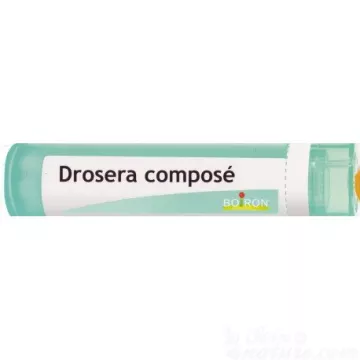
Homeopathy is a natural healing method based on the principle of similarity, according to which a substance that causes symptoms similar to those of a disease in a healthy person can be used to treat that disease in a sick person. This therapeutic approach is increasingly used to treat many conditions, including bronchitis, bronchiolitis, and lung diseases.
More details












Bronchitis is an inflammation of the bronchi, which are the tubes that carry air to the lungs. It can be acute or chronic and is often caused by respiratory infections, such as the common cold or the flu. Symptoms of bronchitis include a persistent cough, difficulty breathing, headaches, and fever.
In the treatment of acute bronchitis, homeopathy can be used alone or as a complement to conventional treatments, such as antibiotics. Depending on each patient’s symptoms, different homeopathic remedies may be prescribed. For example, the remedy Bryonia is often used for a dry, irritating cough, while Pulsatilla is often recommended for a productive cough with copious phlegm.
In cases of chronic bronchitis, homeopathy can be used as a maintenance treatment to strengthen the immune system and help prevent relapses. The remedy Phosphorus is often recommended for dry coughs and breathing difficulties, while Ferrum phosphoricum is often used to strengthen the body’s defenses and prevent recurrent respiratory infections.
Lung conditions, such as asthma or COPD (chronic obstructive pulmonary disease), are chronic diseases that affect the lungs and bronchi. They are often caused by environmental factors such as air pollution and smoking, and are characterized by breathing difficulties, a persistent cough, and shortness of breath.
Bronchitis is an inflammation of the bronchi that manifests as a cough accompanied by phlegm.
This very common condition can be divided into two types: acute bronchitis and chronic bronchitis.
The inflammation makes breathing more difficult because the walls of the bronchi are swollen and produce a significant amount of mucus. Homeopathy offers several natural remedies to combat respiratory problems and bronchitis.
If the cough is productive, our pharmacists recommend taking Aviaire 9 CH: one single dose as a routine measure at the start of treatment, followed by 4 to 6 doses per day depending on the severity of symptoms;
Depending on the associated symptoms, it is recommended to take 5 granules of:
Bronchiolitis is an inflammation of the pulmonary bronchioles that affects children under two years of age every winter. Very often caused by a virus better known as the respiratory syncytial virus, bronchiolitis is a contagious illness that begins with a cold before progressing to spasmodic coughing fits and bronchial congestion, sometimes accompanied by wheezing. In extreme cases, this acute respiratory condition may require hospitalization if symptoms persist and worsen. However, when treated promptly, the illness resolves fairly quickly and generally clears up within a week. Bronchiolitis should be treated with physical therapy sessions designed to clear the airways by draining accumulated mucus. Nevertheless, better results can be achieved by using a homeopathic treatment that helps clear the bronchi while reducing the risk of recurrent bronchiolitis.
As soon as the first symptoms appear, give the infant or young child 5 granules of Blatta orientalis 5 CH and 5 granulesof Ipeca 7 CH every hour, until the severity of the episode gradually subsides. Once the symptoms begin to subside, adjust the dosage by gradually reducing the frequency of doses. In cases of respiratory physical therapy, it is possible to optimize the drainage achieved during sessions by using remedies based onAntimonium tartaricum or Drosera rotundifolia.
In terms of prevention, it is important to note that the remedies traditionally recommended are generally formulated from Calcarea carbonica ostrearum,Aviaire, or Sulfur Iodatum. However, since preventive treatment for bronchiolitis is primarily a long-term regimen, it is up to the homeopathic physician to tailor the prescription to prevent new episodes from occurring.
As soon as symptoms appear, it is imperative to consult a doctor so that they can assess the severity of the situation and determine the appropriate course of action. Although homeopathic treatment leads to significant improvement in the vast majority of cases, it is essential to seek the advice of a healthcare professional to prevent any potential worsening of the condition. Similarly, if symptoms persist and worsen after the initial consultation, it is particularly important to schedule a follow-up visit to avoid any risk of respiratory distress.
Homeopathy can be used as a complement to conventional treatments to relieve the symptoms of these conditions and improve patients’ quality of life. For example, the remedy Arsenicum album is often used for acute asthma, while Sambucus nigra is often recommended for a productive cough and breathing difficulties.