
Chronic pain is defined as pain that persists for more than three months, well beyond the normal healing time for an injury or illness. It can be constant or come in episodes, with sensations of burning, pulling, or localized hypersensitivity. Unlike acute pain, which serves as a useful warning signal, chronic pain loses this protective function and becomes a condition in its own right, profoundly affecting quality of life.
The causes of chronic pain are often multifactorial. Unresolved physical trauma, prolonged inflammation, and dysfunction of the central or peripheral nervous system are the most common mechanisms. Conditions such asarthritis, diabetes, or fibromyalgia contribute to persistent pain. The psychological component also plays a major role: chronic stress, anxiety, and depression can amplify the perception of pain and perpetuate vicious cycles that are difficult to break without comprehensive care.
The diagnosis is based on a thorough medical evaluation: a detailed medical history, a physical examination, and targeted diagnostic tests depending on the suspected cause—X-rays, MRIs, and nerve conduction studies. Accurately identifying the source of the pain is key to effective treatment. A comprehensive psychological evaluation often complements the assessment, as the emotional aspects of chronic pain directly influence its perceived intensity and response to treatment.
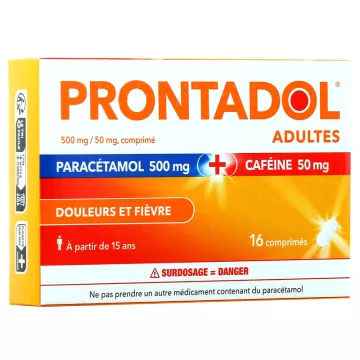
The management of chronic pain is inherently multidisciplinary. In terms of medication, analgesics, anti-inflammatory drugs, antidepressants, and anticonvulsants may be combined depending on the pain profile. Physical rehabilitation—stretching, muscle strengthening, hydrotherapy—restores mobility and limits stiffness. Pain relief patches provide targeted local relief without systemic absorption. Behavioral therapies and acupuncture effectively complement the therapeutic arsenal in complex cases.
In daily life, several adjustments can help reduce the impact of chronic pain on one’s life. Stress management through meditation or yoga reduces the nervous system’s reactivity to pain. Quality sleep promotes neuromuscular recovery and lowers the pain tolerance threshold. Regular, appropriate physical activity releases natural analgesic endorphins. Social support—such as support groups or family therapy—provides emotional assistance that is often underestimated over the long term.
Research is opening up promising prospects for patients for whom current treatments have failed. Surgically implanted spinal cord stimulators modulate pain signals before they reach the brain. Shockwave therapy and implantable drug pumps allow for targeted, low-dose delivery. Advances in genetics and biotechnology hold the promise of personalized therapies that target the molecular mechanisms specific to each pain profile.
An anti-inflammatory diet is an accessible tool that complements medical treatments. Turmeric, whose curcumin is recognized by the EFSA for its effect on joint comfort, is among the best-documented active ingredients. Omega-3 fatty acids from fatty fish reduce systemic inflammation. Magnesium supports nerve and muscle function, which is often impaired in people with chronic pain. Conversely, refined sugars and saturated fats exacerbate inflammatory processes and should be limited.
Acupuncture, meditation, and yoga are now incorporated into several recognized chronic pain treatment protocols. These complementary approaches reduce dependence on painkillers by improving emotional control over pain and promoting the release of endorphins. Cardiac coherence and sophrology are also used to lower the activation level of the sympathetic nervous system, which is often overstimulated in patients with chronic pain. Medical advice is still necessary before incorporating them into an existing treatment plan.
Cognitive-behavioral therapy (CBT) helps patients identify and change thought patterns that amplify their experience of pain. It teaches cognitive restructuring techniques—replacing catastrophic thoughts with a realistic assessment of pain—and problem-solving strategies for coping with daily limitations. Relaxation and mindfulness exercises integrated into CBT reduce pain-related hypervigilance and significantly improve quality of life in the long term.
Chronic pain significantly increases the risk of depression, anxiety, and social isolation. This bidirectional link is well documented: psychological distress lowers the pain tolerance threshold, which in turn fuels emotional distress. A holistic approach—combining psychological support, underlying pain management, and maintaining social connections—has been shown to be more effective than a medication-only approach in preserving long-term quality of life.