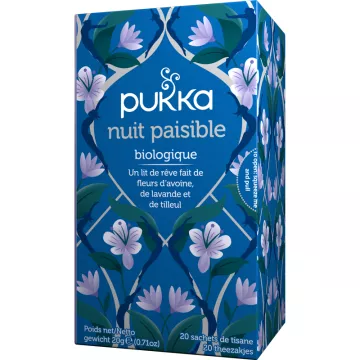
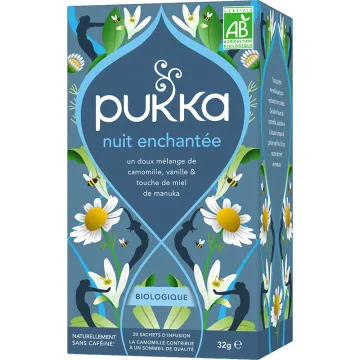
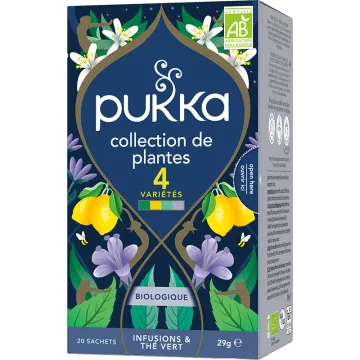
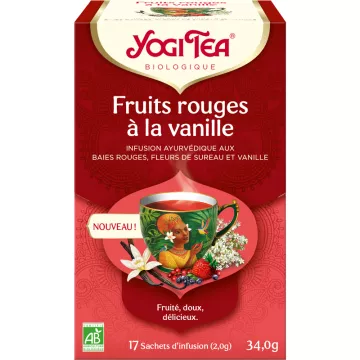
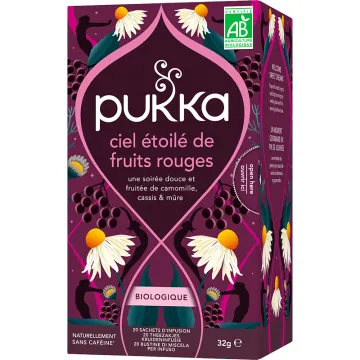
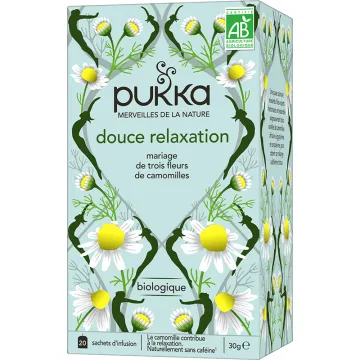
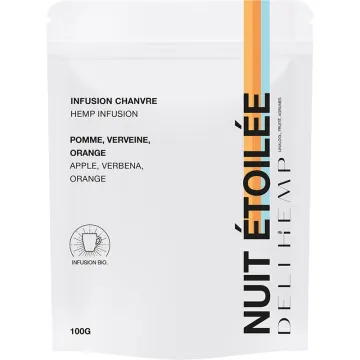
A warm, slow, ritualized drink: a relaxing herbal tea offers a moment of respite during the day. Made from traditionally soothing herbs, it’s perfect for times of stress or in the evening before bed.
What is a relaxing herbal tea, and what does it contain?
A relaxing herbal tea is an infusion of plants with calming and relaxing properties. Key ingredients include chamomile, lemon balm, verbena, and lavender. These herbs act on the nervous system, helping to reduce nervous tension and promote restful sleep. For the full selection, see our organic tea bags and loose-leaf herbal teas.
How does a relaxing herbal tea affect the body?
Calming herbs work through their specific active compounds:
- apigenin in chamomile modulates GABA receptors and promotes relaxation;
- the linalool terpenes in lavender have a mild anxiolytic effect;
- the flavonoids in passionflower and hawthorn support heart and nervous system function;
- rosmarinic acid in lemon balm calms mental agitation.
This physiological combination explains the rapid soothing effect felt after drinking a properly brewed cup.
What are the benefits of a relaxing herbal tea?
The documented benefits cover several aspects of well-being:
- improved sleep quality and reduced time to fall asleep;
- reduced stress andanxiety;
- mild anti-inflammatory properties linked to flavonoids;
- relief from digestive issues caused by nervous tension.
How do you choose a relaxing herbal tea based on your needs?
The choice depends on your primary goal:
- Difficulty falling asleep: valerian, Eschscholtzia (California poppy), hops;
- light sleep with frequent awakenings: passionflower, poppy;
- Daytime stress and nervousness: lemon balm, verbena, linden;
- anxiety with palpitations: hawthorn;
- mental tension and ruminations: lavender, chamomile.
Check the origin and traceability of the herbs (preferably organic) to ensure quality.
When is the best time to drink it?
The time of day you drink it determines its effect. For daytime relaxation, a cup mid-morning or early afternoon soothes nervous tension without causing drowsiness (opt for verbena, lemon balm, or linden). To promote sleep, drink the tea 30 minutes to 1 hour before bedtime, opting for valerian, passionflower, or eschscholtzia. The ritual is just as important as the herb: taking the time to enjoy the tea in a calm setting prepares the nervous system for relaxation.
What precautions and contraindications should you be aware of?
While generally well-tolerated, these herbal teas require several precautions for use:
- possible allergies to Asteraceae (chamomile) in sensitive individuals;
- pregnancy and breastfeeding: avoid valerian, passionflower, hops, and lavender in high doses without medical advice;
- ongoing treatments: possible interactions with anxiolytics, antidepressants, sleeping pills, and anticoagulants;
- Driving and operating machinery: valerian and eschscholtzia may impair alertness;
- Children: Opt for chamomile, linden, or orange blossom, under pediatric supervision.
Can you combine a relaxing herbal tea with other rituals?
Yes, combining relaxing practices enhances the effects of the herbal tea:
- aromatherapy: diffusing or massaging with lavender or sandalwood essential oil;
- deep breathing, cardiac coherence, or guided meditation;
- a warm bath with Epsom salts or lavender flowers;
- reading, calm music, and soft lighting in the evening.
For those prone to chronic stress, supplement with magnesium and explore our serenity and well-being selection.
How can you incorporate a relaxing herbal tea into a peaceful lifestyle?
Relaxing herbal tea is part of an overall healthy lifestyle:
- limit caffeine, alcohol, and screen time in the evening;
- prioritize foods rich in magnesium (nuts, green vegetables, whole grains);
- maintain a regular bedtime routine;
- engage in moderate physical activity, ideally outdoors.
Store your herbs in an airtight, opaque container, away from light and moisture, and use them within six months to benefit from their intact active ingredients. Also check out our sections on stress and herbal medicine, and sleep and herbal medicine.