0
Menu

Poppy: A Wildflower with Relaxing Properties

Filter
Number of products : 7
Sort
Sort
Close
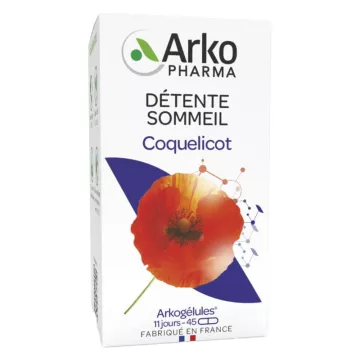
Arkocaps Coquelicot Détente - Sleep 45 capsules Arkocaps Coquelicot Détente - Sleep 45 capsules
€6.99
Shipped within 24h
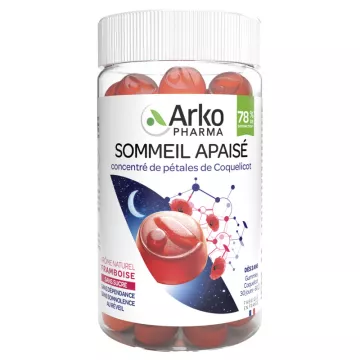
Arkopharma Gummies Poppy Soothed Sleep 60 gummies Arkopharma Gummies Poppy Soothed Sleep 60 gummies
€15.79
Shipped within 24h
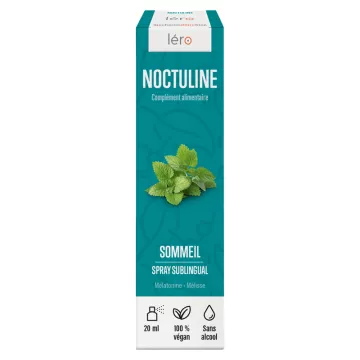
Lero Noctuline Spray melatonin - poppy 20 ml Lero Noctuline Spray melatonin - poppy 20 ml
€10.99
Shipped within 24h
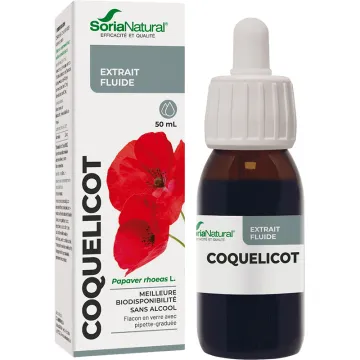
Soria Natural Poppy Fluid Extract 50 ml Soria Natural Poppy Fluid Extract 50 ml
€10.49
Shipped within 24h
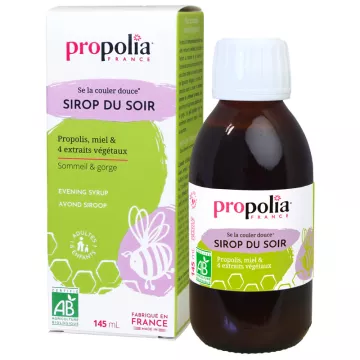
Propolia Organic Nighttime Sleep & Throat Syrup 145 ml Propolia Organic Nighttime Sleep & Throat Syrup 145 ml
€11.69
Shipped within 24h
Poppy Petal Iphym Herbalism Papaver rhoeas Poppy Petal Iphym Herbalism Papaver rhoeas
100 g 250 g +
€32.09
Add to cart
Usually ships in 5-7 business days

What is a poppy?

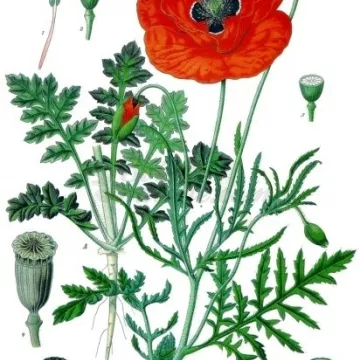
The poppy (Papaver rhoeas) is an annual herbaceous plant in the Papaveraceae family, recognizable by its bright red, silky petals. Native to Eurasia and North Africa, it has naturalized in many temperate regions and remains one of the mildest medicinal plants in the European Pharmacopoeia.

Unlike the opium poppy (Papaver somniferum), the poppy does not contain opiates. Its petals are the part primarily used in herbal medicine, traditionally valued for their mildness and gentle calming effect. For herbal medicine in general, additional resources are available.

What are the active constituents?

Poppy petals contain several interesting compounds:

  • Alkaloids: rhoeadine and rhoeagulline, in very small quantities (mild sedative effect, without narcotic properties)
  • Mucilages: soothing and emollient effect on the respiratory mucous membranes
  • Anthocyanins and flavonoids: pigments responsible for the red color, with antioxidant properties
  • Natural pigments traditionally used in artisanal dyeing

This composition explains their traditional use as a gentle, well-tolerated remedy, particularly suitable for children and people sensitive to more potent plants. For lemon balm and chamomile in general, specific resources are available.

What are the traditional benefits?

The poppy is traditionally used to:

  • Help induce sleep and soothe mild nervousness, particularly in children and the elderly
  • Soothing an irritating cough thanks to the emollient effect of mucilages
  • Soothing sore throats and mild inflammation of the respiratory tract
  • Relieve nervous tension caused by overwork or stress

Its effect is gentle and gradual: it is particularly suitable for mild conditions or for people who cannot tolerate more potent herbs such as valerian. For sleep in general, specific remedies are available.

How to use it?

Several traditional forms are available:

  • Petal tea: 1 teaspoon per 200 ml of simmering water, steep for 10 minutes, 1 to 2 cups in the evening
  • Traditional relaxing blend: poppy + chamomile + linden + orange blossom for a soothing family herbal tea
  • Poppy syrup: a traditional preparation used to soothe coughs and sore throats; dosage depends on age
  • Extract capsules: concentrated forms for targeted treatments as advised by a pharmacist
  • Bud macerate in gemmotherapy for a gentle regulating effect

A typical treatment course lasts 2 to 3 weeks and is ideally combined with other complementary herbs (linden, lemon balm, passionflower). Specific resources are available for linden and passionflower in general.

What precautions should be taken?

Although mild, poppy requires some precautions:

  • Pregnancy and breastfeeding: as a precaution, consult a pharmacist before any regular use
  • Young children: may be used fromage 2–3 in a mild infusion, with pediatric advice
  • Driving and operating machinery: exercise caution at the start of treatment (mild drowsiness is possible)
  • Drug interactions: may potentiate the effects of sedatives and anxiolytics
  • Allergies to the Papaveraceae family: strictly avoid
  • Sugar-containing syrups: Use in moderation in people with diabetes and children at risk of tooth decay
  • Limited course of treatment: 2 to 3 weeks with a break, as with any sedative herb

Poppy remains a gentle remedy that fits into a holistic approach to healthy living. In cases of persistent cough, chronic sleep disturbances, or prolonged nervousness, a medical consultation is necessary to rule out any underlying causes. Your pharmacist remains a valuable resource for recommending the formulation best suited to your needs and identifying any potential contraindications, in addition to appropriate medical follow-up. Specific resources are available for valerian and hawthorn in general.