What are the most common digestive disorders and their causes?
Digestive disorders encompass a range of symptoms related to dysfunction of the digestive tract: bloating, abdominal cramps, gastroesophageal reflux, irregular bowel movements, nausea, and postprandial indigestion. Their main causes include:
- Intestinal dysbiosis: an imbalance in the gut microbiota between beneficial and pathogenic bacteria, linked to antibiotic use, an ultra-processed diet, or chronic stress.
- Unhealthy diet: excess saturated fats, alcohol, spicy foods, or FODMAPs (fermentable oligosaccharides and polyols) in sensitive individuals.
- Chronic stress: The gut-brain axis transmits 90% of its signals from the gut to the brain. Stress activates the sympathetic nervous system, slows peristalsis, and increases intestinal permeability.
- Irritable bowel syndrome (IBS): a functional disorder affecting 10 to 15% of the population, characterized by abdominal pain associated with bowel movement disturbances. Diagnosis is made by a doctor.
How does dietary fiber reduce digestive problems?
Dietary fiber is the nutritional cornerstone of digestive health:
- Insoluble fiber (wheat bran, green vegetables): increases stool bulk and accelerates colonic transit, preventing constipation. The EFSA claim regarding its contribution to normal bowel function has been validated.
- Soluble fiber (psyllium, pectins, inulin): forms a viscous gel that slows the absorption of carbohydrates and feeds beneficial bacteria in the colon (prebiotic effect).
- Prebiotics (fructo-oligosaccharides, galacto-oligosaccharides): stimulate Lactobacillus and Bifidobacterium, which produce butyrate (an anti-inflammatory fatty acid that nourishes colonocytes).
Gradually increasing fiber intake (+5 g/week) helps prevent temporary bloating associated with accelerated fermentation.
Do probiotics improve digestive disorders?
Probiotics are the best-documented digestive supplements:
- Post-antibiotic dysbiosis: Saccharomyces boulardii and Lactobacillus rhamnosus GG significantly reduce antibiotic-associated diarrhea, according to Level 1 meta-analyses.
- Irritable bowel syndrome: Multi-strain formulas (Bifidobacterium infantis 35624, Lactobacillus plantarum 299v) reduce abdominal pain and bloating in several randomized controlled trials.
- Functional constipation: Bifidobacterium lactis DN-173 010 accelerates colonic transit time in clinical studies.
Efficacy is strain-specific—a strain effective for post-antibiotic diarrhea is not necessarily effective for IBS.
Which natural herbs relieve digestive disorders?
Several medicinal plants have clinical data supporting their use:
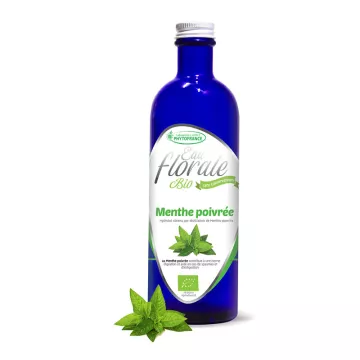
- Peppermint in enteric-coated capsules (180 to 200 mg, 3 times daily): significantly reduces abdominal pain and bloating associated with IBS, according to meta-analyses. Contraindicated in cases of active GERD and in children under 30 months of age.
- Ginger (gingerols, shogaols): a prokinetic that accelerates gastric emptying and has documented antiemetic effects. It reduces postprandial nausea and bloating associated with slow digestion.
- Turmeric (curcuminoids): inhibits pro-inflammatory mediators in the gut (NF-kB, COX-2). Studies show a reduction in IBS symptoms after 8 weeks of supplementation.
What role does magnesium play in stomach discomfort and bowel movements?
Magnesium plays a role in digestive disorders through two mechanisms:
- Osmotic laxative effect: poorly absorbed magnesium salts (oxide, hydroxide) retain water in the intestinal lumen, softening stools and accelerating transit in cases of occasional constipation.
- Reduction of intestinal spasms: Magnesium acts as a natural calcium antagonist on intestinal smooth muscles. A deficiency increases intestinal excitability, contributing to IBS-related cramps.
Bioavailable forms for gastrointestinal comfort (bisglycinate, citrate) are preferred for systemic effects (spasms, stress); forms with low absorption (oxide) are preferred for a local laxative effect.
How can you improve digestion on a daily basis?
Here are some evidence-based habits to reduce functional digestive disorders and promote digestive comfort:
- Eat slowly (at least 20 minutes): Chewing breaks down food particles and optimizes the secretion of salivary enzymes. Eating quickly causes you to swallow air and leads to bloating.
- Manage stress (cardiac coherence, meditation): this reduces sympathetic nervous system activation, which slows peristalsis.
- Maintain healthy bowel function through hydration (1.5 to 2 L/day), fiber, and a 30-minute walk per day, which accelerate colonic transit by 30%.
- Identify trigger FODMAPs in cases of IBS: reduce legumes, cauliflower, onions, lactose, and excess fructose to pinpoint the foods responsible.