Dietary fiber consists of plant-based carbohydrates that human digestive enzymes cannot break down—it passes through the digestive tract, mechanically aiding digestion and serving as a prebiotic substrate for gut flora. Essential for digestive and metabolic health, the average French person consumes 15–20 g per day, well below the ANSES recommendations (25–30 g per day). Explore our range of supplements for constipation, stomach health, and digestion.
Soluble vs. Insoluble Fiber: What’s the Difference?
The two types of fiber have complementary mechanisms of action—a balanced intake of both is optimal.
- Soluble fiber (pectins, beta-glucans, inulin, psyllium): dissolve in water to form a viscous gel—slow down digestion and the absorption of carbohydrates, regulate postprandial blood sugar levels, and serve as a prebiotic substrate for bifidobacteria and lactobacilli
- Insoluble fiber (cellulose, hemicellulose, lignin): does not dissolve—increases stool volume and frequency, reduces colonic transit time—effective against constipation
- Plant-based foods contain both types simultaneously—a varied diet meets both needs
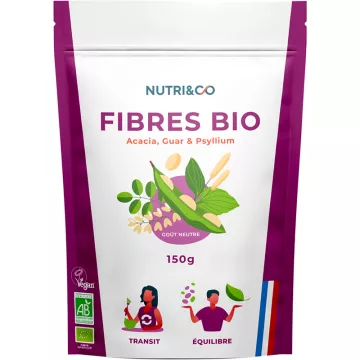
- For targeted supplementation: psyllium (soluble/insoluble blend) for overall bowel transit; inulin and FOS for the prebiotic effect
Fiber and the gut microbiota?
Soluble fiber is the primary fuel for the colonic microbiota—its prebiotic role is as important as its mechanical role.
- Bacterial fermentation of fiber produces short-chain fatty acids (SCFAs): butyrate, propionate, and acetate—butyrate is the main energy source for colonocytes
- SCFAs regulate the intestinal immune response, strengthen the mucosal barrier, and contribute to satiety by stimulating the hormones GLP-1 and PYY
- Prebiotic fibers (inulin, FOS, GOS, pectin): selective substrates for bifidobacteria—available in supplements
- "30 plants/week" goal: each plant species feeds distinct bacteria—fiber diversity creates microbial diversity
- See our digestive comfort product line
Fiber and postprandial blood glucose levels?
Soluble fiber is one of the best-documented nutritional factors affecting blood glucose levels.
- The gel formed by soluble fiber slows gastric emptying and intestinal absorption of carbohydrates—reducing the meal’s glycemic index
- Oat beta-glucans: EFSA-approved claim—contributes to maintaining normal postprandial blood glucose levels starting at 4 g per meal
- Psyllium (Plantago ovata): mucilaginous fibers with a well-documented effect on blood sugar levels
- As a supplement to a controlled diet—see our blood sugar control line
Which foods are rich in fiber?
Increasing your fiber intake starts with your daily food choices.
- Legumes: lentils (8 g/100 g), chickpeas (7 g), white beans (6 g)—the richest sources of mixed fiber
- Whole grains: wheat bran (40–45 g/100 g), oats (10 g/100 g), quinoa (2.8 g/100 g)
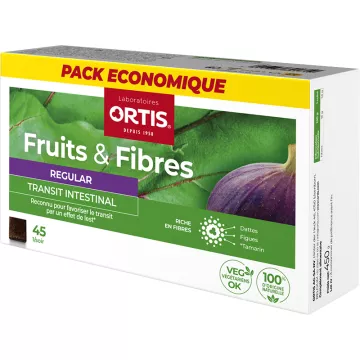
- Fruits: prunes (7 g), raspberries (6.5 g), pears with skin (3 g), apples with skin (2.5 g)
- Vegetables: artichokes (8 g), Jerusalem artichokes (1.6 g but rich in inulin), broccoli (2.6 g), carrots (2.8 g)
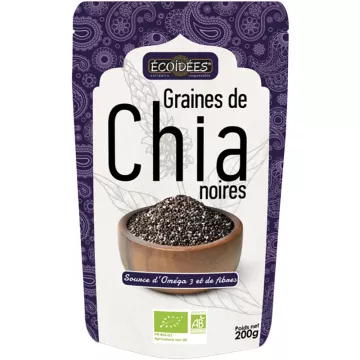
- Seeds and nuts: flaxseeds (27 g), chia seeds (34 g), almonds (12 g)—excellent sources of soluble and insoluble fiber
Fiber supplements: when and which ones?
Fiber supplementation is helpful when diet alone is not sufficient to meet the recommended intake.
- Blond psyllium (Plantago ovata): 3.5 g/day in water → documented increase in stool volume — the most versatile form for promoting bowel regularity
- Inulin and FOS: primary bifidogenic effect—introduce gradually (2–3 g/day) to avoid initial bloating
- Glucomannan (konjac): highly viscous soluble fiber with a strong satiating effect — useful for appetite control
- Always increase fiber intake alongside adequate hydration (at least 1.5 L/day)—fiber swells when exposed to water
- Gradual introduction is essential for sensitive digestive systems—allow at least one week for the body to adjust before reaching the target dose