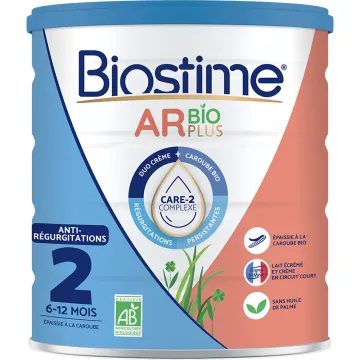
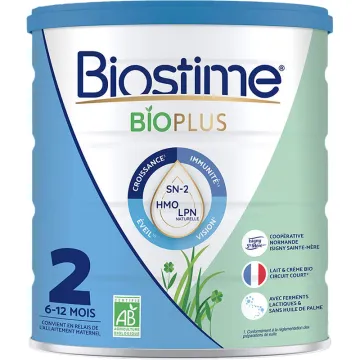
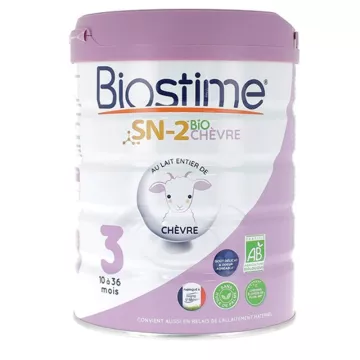
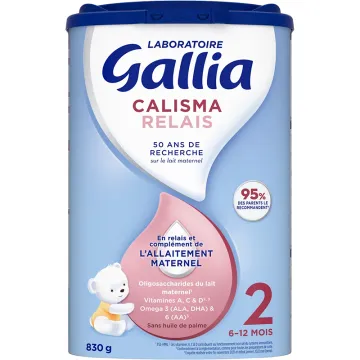
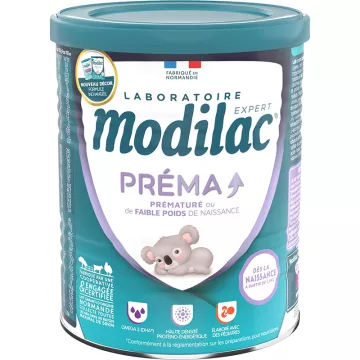
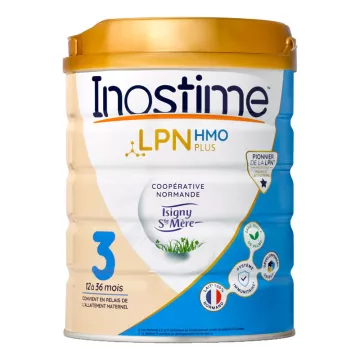
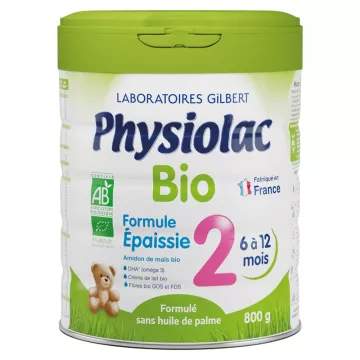
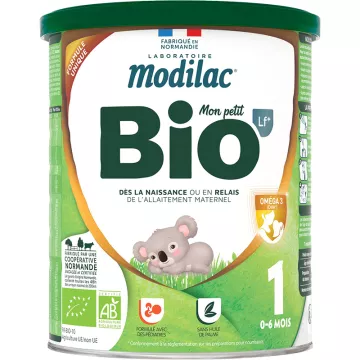
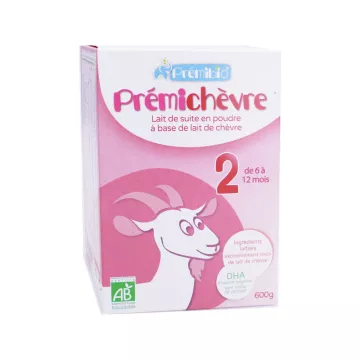
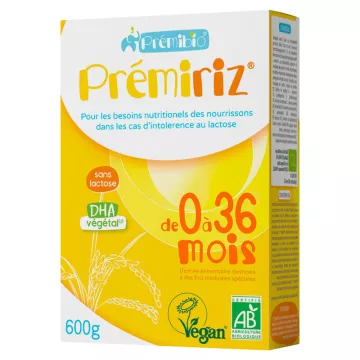
Powdered milk is a concentrated, dehydrated form of milk obtained through evaporation or spray-drying. In health food stores, it encompasses several categories with very different uses: infant formula (stages 1, 2, and 3), growing-up milk, therapeutic milk, enriched milk for seniors, and protein supplements for athletes. Choosing the right formula is essential—these milks are not interchangeable. Explore our line of infant formulas.
What types of powdered milk are available in health and beauty stores?
The term “powdered milk” encompasses very different formulations depending on needs and age.
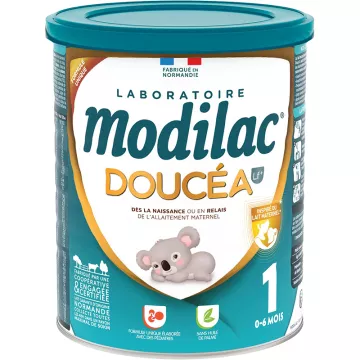
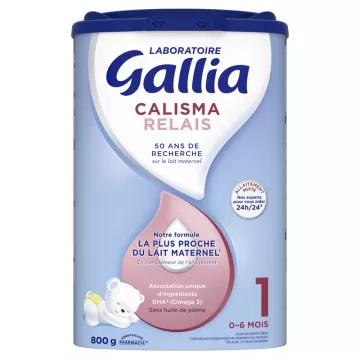
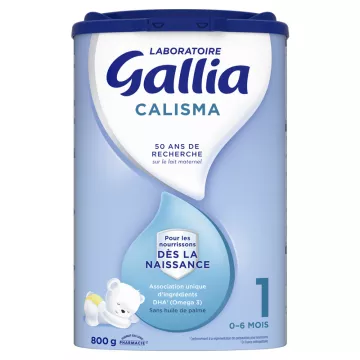
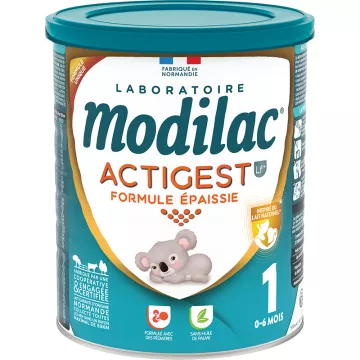
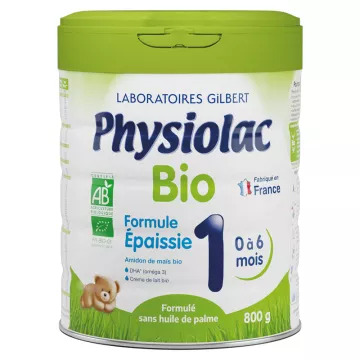
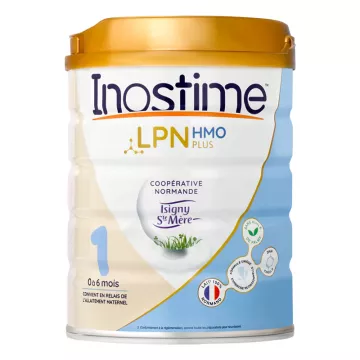
- Stage 1 infant formula (0–6 months): starter formula for infants who are not breastfed or are partially breastfed—composition strictly regulated (European Commission)
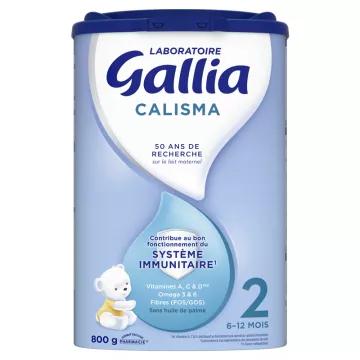
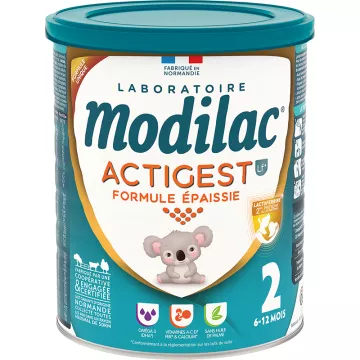
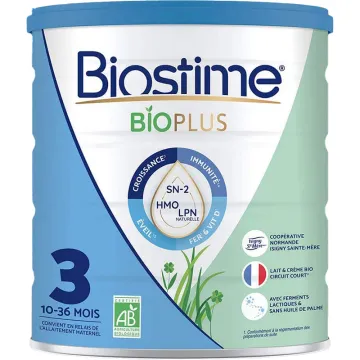
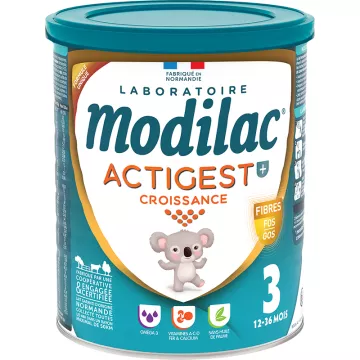
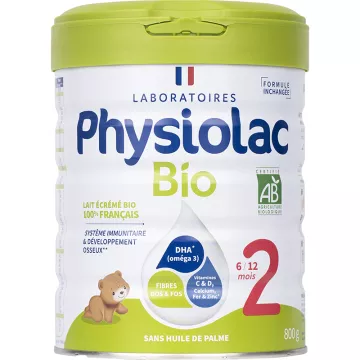
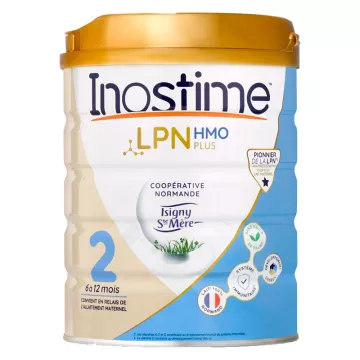
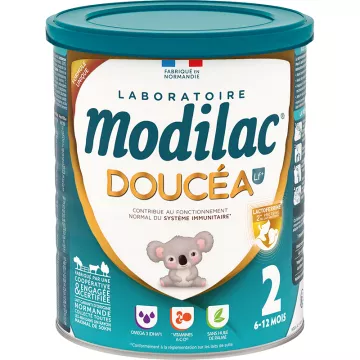
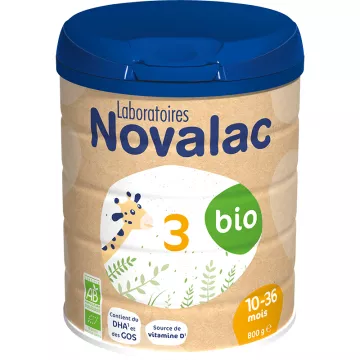
- Stage 2 infant formula (6–12 months) and follow-on formula (12–36 months): nutritional adaptation to a diversified diet, enriched with iron and DHA
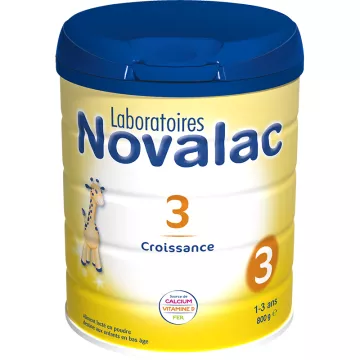
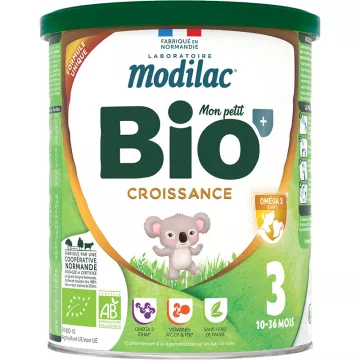
- Growth formula (1–3 years): transition to cow’s milk, fortified with vitamin D, iron, and essential fatty acids
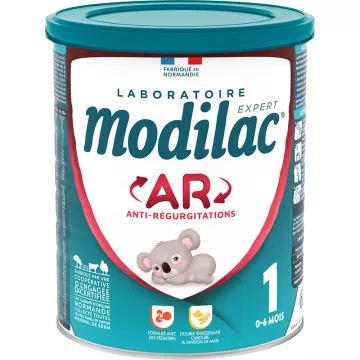
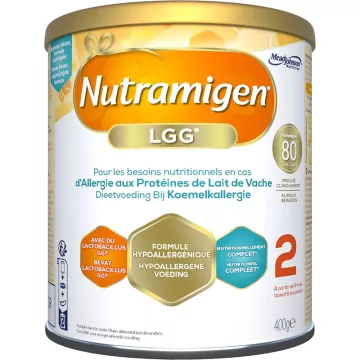
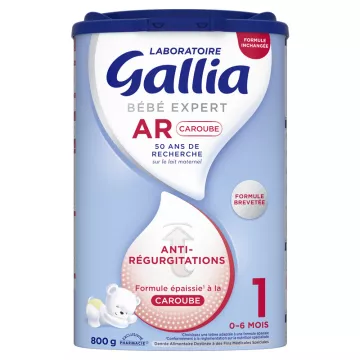
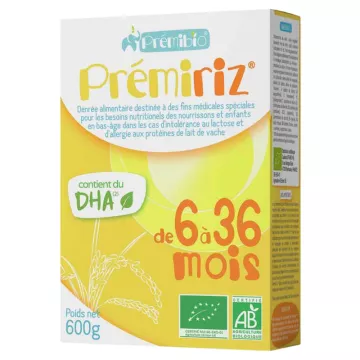
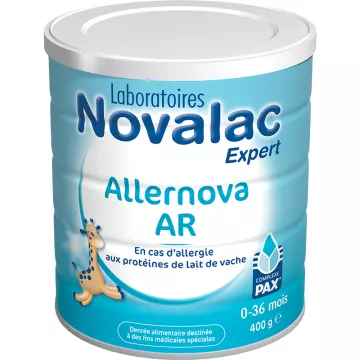
- Therapeutic formulas (hypoallergenic HA, lactose-free, anti-regurgitation AR, APLV): as recommended by a doctor or pediatrician
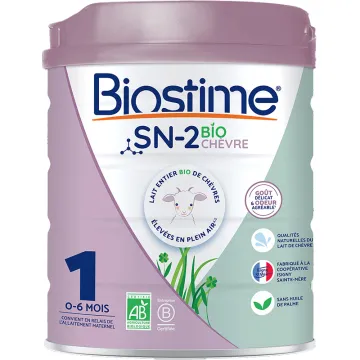
- Goat milk powder: an alternative to bovine protein for infants with sensitive digestion
Powdered Milk and Infants: How to Choose?
Choosing infant formula is an important clinical decision—several medical criteria guide the selection.
- Breast milk remains the gold standard for infants—breastfeeding is recommended as the first choice
- In cases of cow’s milk protein allergy (CMPA): extensively hydrolyzed or amino acid-based formulas—available by prescription
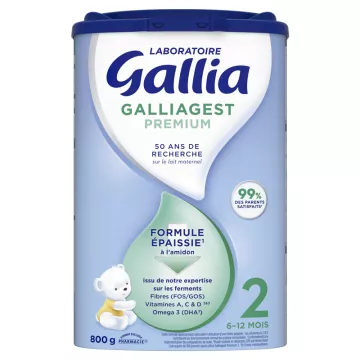
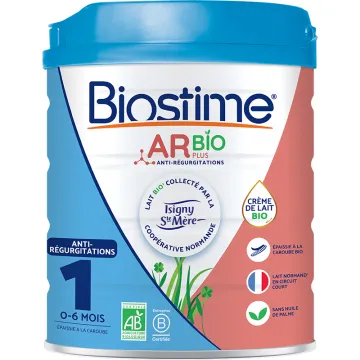
- Frequent spitting up: AR (anti-reflux) formula, enriched with starch or carob
- Colic and digestive discomfort: formulas enriched with prebiotics (GOS/FOS) or partially hydrolyzed
- Consult your pediatrician or doctor before making any changes to the formula— infant formula and follow-on formula are available at drugstores
Powdered milk and nutritional value?
Powdered milk concentrates the nutrients found in fresh milk into a form that remains stable at room temperature.
- Proteins: caseins (80%) and whey proteins (20%) — complete amino acid profile, high biological value — see proteins
- Calcium: reference source—approximately 1,200 mg/100 g—to be combined with vitamin D3 to optimize bone absorption
- Magnesium, zinc, phosphorus, and vitamins B2 and B12 are naturally present
- Some heat-sensitive vitamins (C, B1) may be partially reduced during spray-drying — infant formulas are systematically re-fortified
Powdered milk and sports: how should it be used?
Whole or skim milk powder can supplement a sports protein intake—it is distinct from specialized sports protein supplements.
- A source of dairy proteins (casein + whey)—casein is absorbed slowly, making it a good choice before bedtime
- To be distinguished from whey (whey isolate, rapid absorption), which is better suited for the post-workout window
- Skim milk powder + whey: a popular combination in nutritional supplement shakes for building muscle mass
Plant-based alternatives and options for seniors?
Two situations warrant a specific approach in health food stores.
- Almond milk powder: a plant-based alternative for people who are lactose intolerant or follow a vegan diet—lower protein content than cow’s milk
- Seniors: Formulas enriched with protein, vitamin D3, and calcium support muscle mass (sarcopenia) and bone density—see our line of senior supplements
- Storage: Keep tightly sealed, away from light and moisture—use within 3 to 4 weeks after opening for infant formula
Important Precautions?
The safe use of powdered milk depends on a few basic rules.
- Infant formula: Always prepare with drinking water or low-mineral-content mineral water for infants—use boiled and then cooled water if the quality is in doubt
- Never substitute infant formula with regular powdered cow’s milk before the age of 1
- Milk protein allergy: contraindicated for all milk products derived from cow’s milk (including casein and whey)
- Lactose intolerance: Choose lactose-free formulas or those made with plant-based alternatives
- Follow the dosage instructions on the packaging—excessive or insufficient concentration is dangerous for the infant