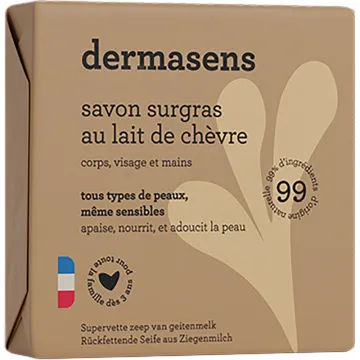
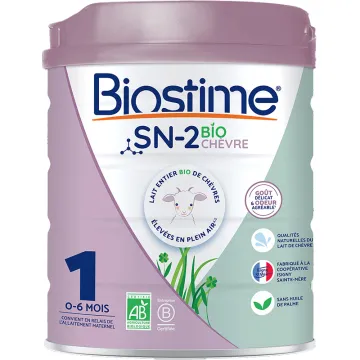
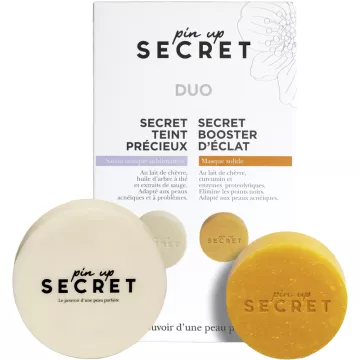
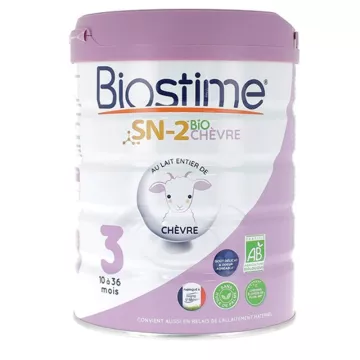
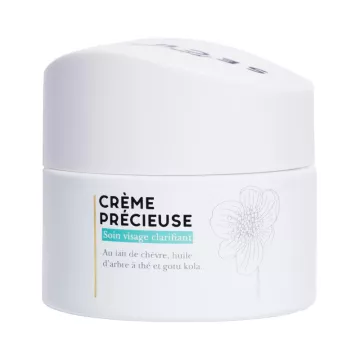
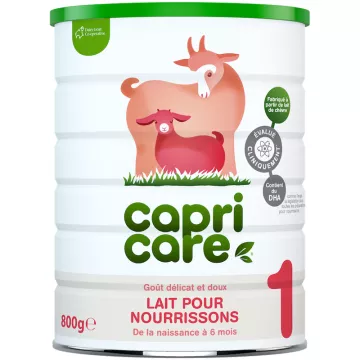
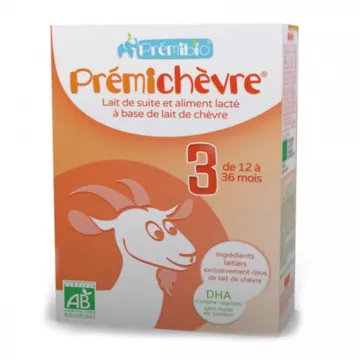
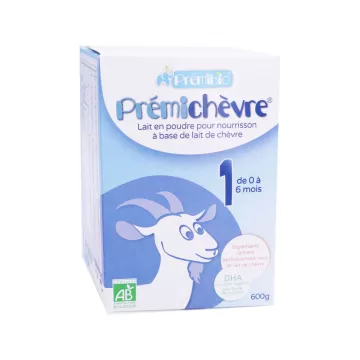
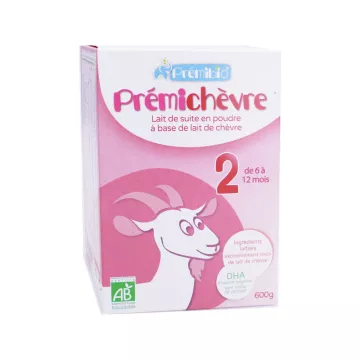
Goat's milk is a nutritional alternative to cow's milk, particularly valued for its superior digestibility and its biochemical similarity to breast milk. In health food stores, it is available in powder form, as infant nutritional supplements, and in cosmetic products for dry and sensitive skin. Explore our line of powdered milk.
What is goat’s milk?
Goat milk differs from cow’s milk in several biochemical ways: its fat globules are smaller (1–2 µm vs. 3–4 µm for cow’s milk), promoting more effective natural emulsification during digestion. It is naturally richer in short- and medium-chain fatty acids (SMCTAs), which are rapidly metabolized by the liver without passing through the lymphatic system—making it easier to digest. Its lactose content is slightly lower than that of cow’s milk (4.1% vs. 4.7%).
Goat’s Milk and Digestibility: What Are the Benefits?
Digestibility is the main reason for choosing goat’s milk as a nutritional alternative.
- Small fat globules: greater surface area for contact with intestinal lipases—facilitating fat digestion
- Predominantly A2 casein: Goat milk contains almost exclusively A2 casein, which is better tolerated by the gut than A1 casein, which is dominant in cow’s milk
- Fewer digestive issues (bloating, heaviness) reported at equivalent doses among people with sensitive digestion
- Supports digestive comfort thanks to naturally occurring prebiotic oligosaccharides
- Note: Goat’s milk still contains lactose—it is not suitable for people with severe lactose intolerance
Goat’s milk and skin: what are the benefits?
Goat’s milk is a recognized cosmetic ingredient for dry, sensitive, and reactive skin.
- Naturallactic acid (mild AHA): gentle exfoliation, promotes cell renewal and a radiant complexion
- Vitamins A and E: antioxidant properties, support elasticity and comfort in dry skin
- Goat milk soaps, creams, and body lotions: natural hydration and soothing for reactive skin
- Its high content of short-chain fatty acids makes it particularly silky in cosmetic formulations
- Atopic skin: Goat’s milk can help maintain skin comfort—a dermatologist remains the primary point of contact
Goat’s milk, immunity, and the microbiome?
Goat milk has a natural prebiotic profile that promotes the balance of the gut microbiome.
- Prebiotic oligosaccharides: promote the growth of bifidobacteria and lactobacilli—supporting the microbiota as a complement to probiotics
- Zinc and selenium: cofactors for immune enzymes — support for natural defenses (EFSA claims for zinc)
- Natural source of absorbable calcium—to be combined with vitamin D3 to maintain bone health (EFSA claim)
- Magnesium and phosphorus: minerals essential for proper neuromuscular and bone function
Goat’s milk vs. cow’s milk: what’s the difference?
Both milks have similar nutritional profiles but significant biochemical differences.
- Goat milk: A2 casein, small fat globules, TGCM — better overall digestibility
- Cow’s milk: predominantly A1 casein, larger fat globules — less well tolerated by sensitive digestive systems
- Comparable calcium content—absorption slightly enhanced by the biochemical structure of goat milk
- Goat milk is not lactose-free—it contains 4.1% lactose
- Lactose-free plant-based alternatives: see our almond milk page
Contraindications and precautions?
Although better tolerated, goat’s milk has significant limitations on its use.
- Cow’s milk protein allergy (CMPA): frequent cross-reactivity with goat milk proteins—medical advice is essential before switching
- Severe lactose intolerance: goat’s milk still contains 4.1% lactose—insufficient for those with severe intolerance
- Infants under 1 year of age: Regular goat’s milk is not suitable—use only regulated infant formulas made with goat’s milk; see our breastfeeding product line
- Low folic acid (vitamin B9) content—monitor carefully in pregnant women
- Choose organic, pasteurized milk with no additives—check the best-by date