The beauty of hair refers to its appearance, health, and vitality: softness, shine, strength, and elasticity. Beautiful hair is often seen as a sign of good health and well-being, and it is a source of confidence and self-expression. Beyond aesthetics, it reflects the actual condition of the hair shaft and scalp: beautiful hair is, above all, healthy hair. Rather than striving for a single ideal, the goal is to enhance the natural beauty of one’s own hair by keeping it healthy. This requires a tailored routine, proper care techniques, and a balanced lifestyle. Hair beauty is thus cultivated over time, as part of a consistent hair care routine that respects the hair shaft.
An effective hair care routine is built on four pillars:
Consistency is more important than intensity: gentle, regular care is better than occasional aggressive treatments. A mild shampoo maintains the scalp’s balance on a daily basis.
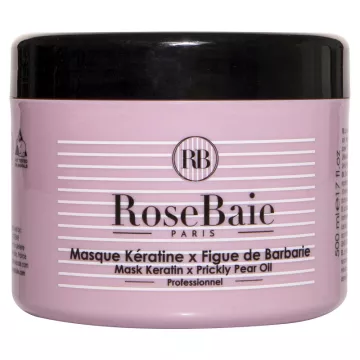
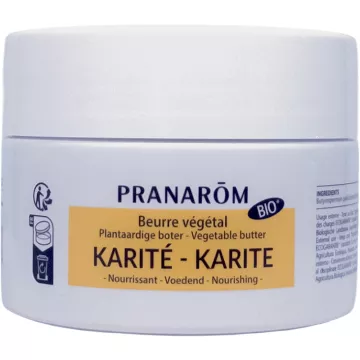
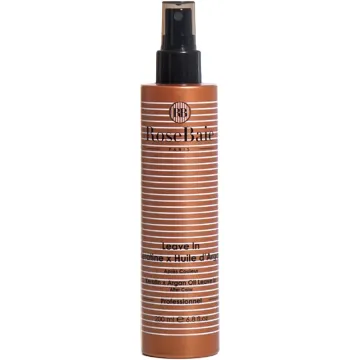
Several natural ingredients are prized for their cosmetic benefits for hair.Coconut oil nourishes, coats, and adds shine.Aloe vera hydrates and soothes an irritated scalp.Argan oil, rich in antioxidants and fatty acids, coats and protects the hair shaft while adding softness and shine. Apple cider vinegar, when used as a diluted rinse, rebalances the scalp’s pH and restores shine by removing residue. These ingredients can be used in treatments, masks, or rinses depending on their properties. Their effectiveness is primarily cosmetic: they beautify and nourish the hair shaft without altering its natural state. Choosing formulas with short, natural ingredient lists and tailoring your selection to your hair type allows you to fully benefit from these active ingredients without weighing down your hair.
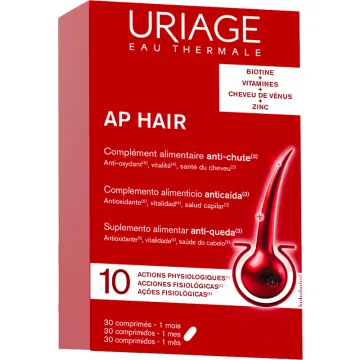
Several issues can detract from the beauty of your hair, each requiring a tailored solution. For split ends, regularly trimming the ends and using protective treatments remains the best approach, as a split end cannot be “repaired.” For dryness, opt for nourishing masks and limit heat styling. Forexcess sebum, choose a gentle regulating shampoo and avoid washing too frequently, as this can worsen the problem. For hair loss, however, it’s best to consult a dermatologist for an accurate diagnosis: significant or persistent hair loss is a medical issue, not merely a cosmetic one. Correctly identifying the problem is the key to an effective solution, rather than randomly accumulating products, which risks aggravating an existing imbalance.
The pH of the scalp and hair plays an often-overlooked role in their beauty. A slightly acidic pH, between 4.5 and 5.5, is the natural balance that keeps the cuticle closed and healthy. This closed cuticle protects the hair shaft, locks in moisture, and preserves shine. Conversely, products that are too alkaline (such as certain soaps and harsh shampoos) open the cuticle, leaving hair rough, dull, and porous. This is why it’s advisable to choose products formulated to respect the hair’s pH balance, and why an acidic rinse (diluted apple cider vinegar) can “close” the cuticle and restore shine. Understanding this concept of pH sheds light on many hair-related phenomena and helps you choose products that truly respect the hair fiber, rather than using products that disrupt its natural balance.
“Low poo” (short for “low shampoo”) is a gentle washing method that prioritizes sulfate-free shampoos, which are less harsh on the hair and scalp. By better preserving natural oils, this approach reduces dryness and irritation and helps keep hair hydrated and healthy. It is particularly beneficial for dry or curly hair, which is naturally more prone to dehydration. “Low poo” often involves an adjustment period while the scalp rebalances its sebum production, similar to the transition to solid shampoo. This approach, which is gentler on the scalp’s natural balance, appeals to those looking to space out washes and reduce exposure to harsh surfactants. It reflects a broader trend: washing less aggressively, but more effectively, to sustainably preserve the beauty and health of the hair.
Trimming your ends regularly—about every 6 to 8 weeks—is one of the most effective ways to preserve the beauty of your hair. Trimming removes split ends before they travel up the hair shaft and cause further breakage. The result: healthier-looking, neater lengths that appear more voluminous. Be wary, however, of a common misconception: trimming the ends does not make hair grow faster (growth occurs at the root, at a genetically determined rate of about 1 cm per month). On the other hand, by minimizing breakage, regular trimming helps preserve length and maintain hair quality. It’s therefore a maintenance and preservation routine, not a growth accelerator. For fragile or damaged hair, more frequent trims can be beneficial to remove the most damaged sections.
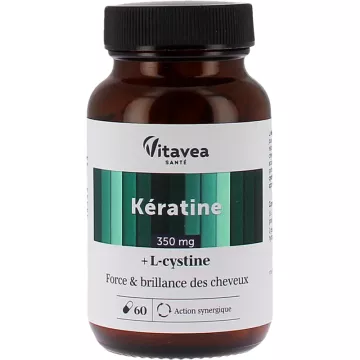
Repeated use of heat-styling tools (hair dryers, straighteners, curling irons) damages the hair shaft, making it dry, brittle, and dull. To prevent this damage: always apply a heat protectant before using any heat styling tool; it forms a barrier that limits breakage and dehydration. Reduce the temperature by selecting the lowest effective setting for your hair type. Limit frequency by avoiding daily use and, whenever possible, opting for air-drying and natural hairstyles. Diet also supports hair health: omega-3s, vitamins, and minerals such as zinc and iron contribute to the health of the hair shaft, with zinc helping to maintain normal hair. Protecting your hair from heat helps preserve its shine over the long term: an intact hair strand will always look better than one that’s been repaired after the fact.