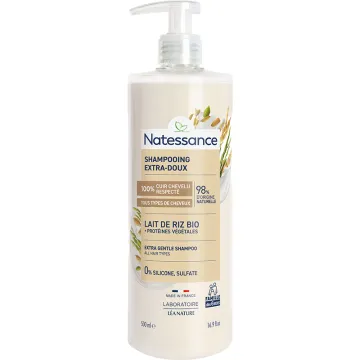
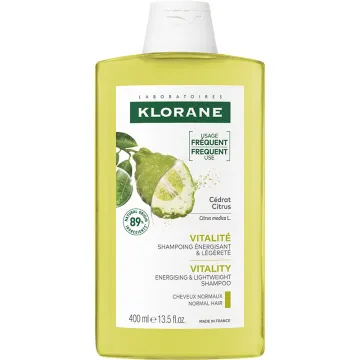
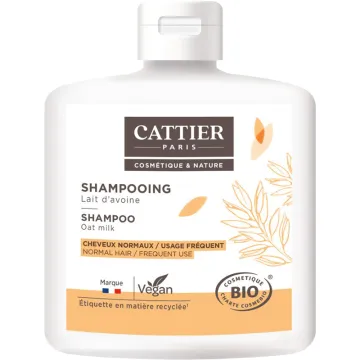
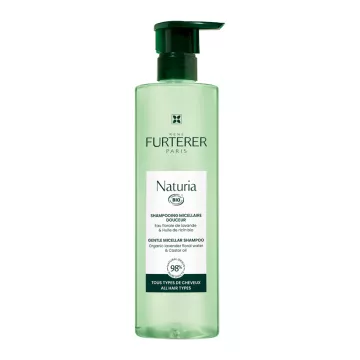
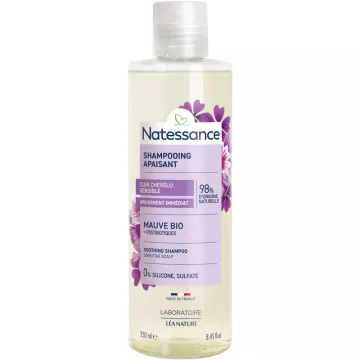
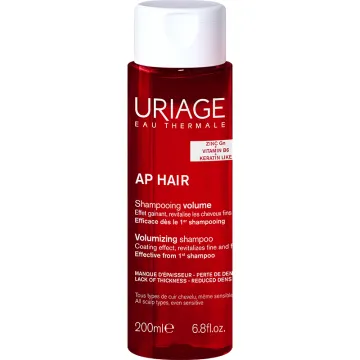
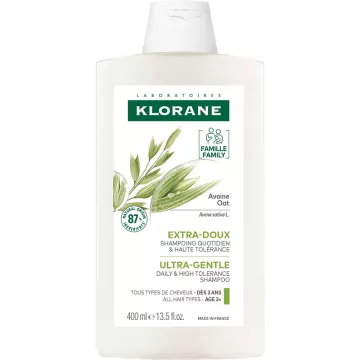
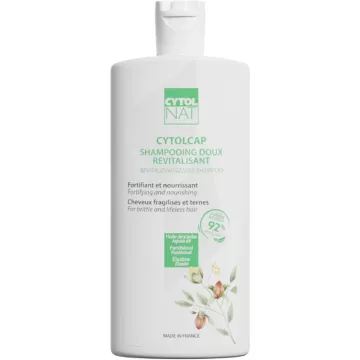
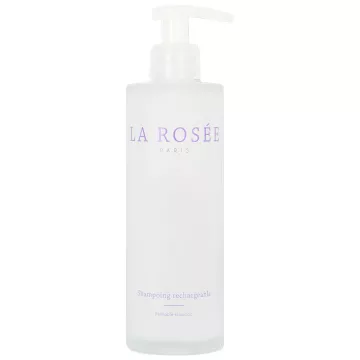
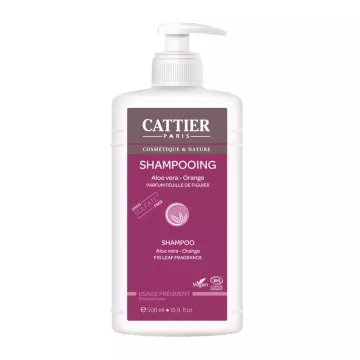
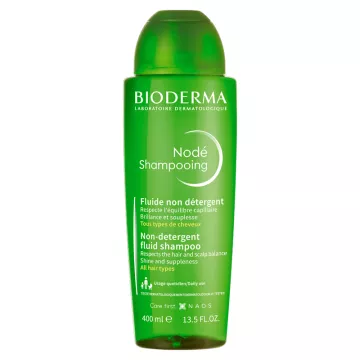
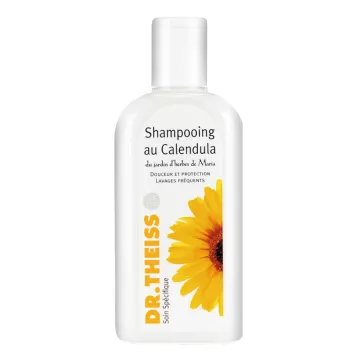
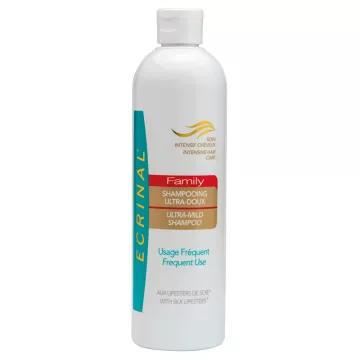
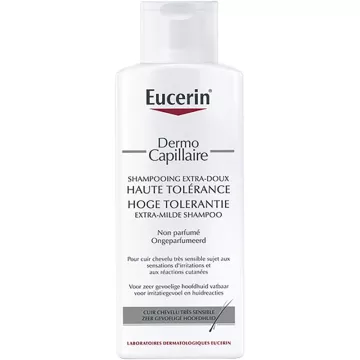
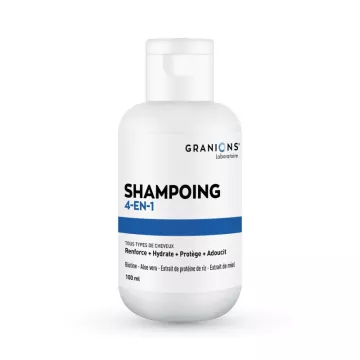
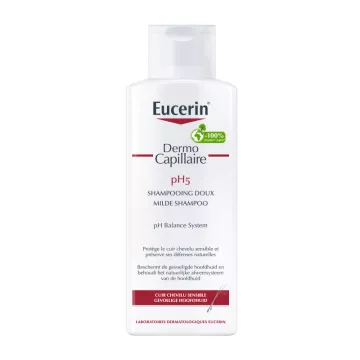
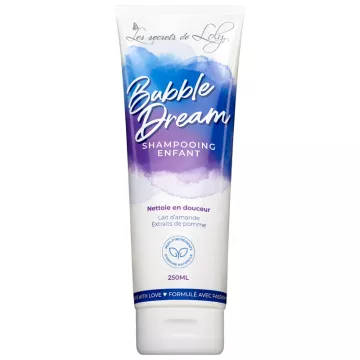
A gentle shampoo is a hair care product formulated to cleanse the scalp and hair while preserving their natural balance. Unlike conventional shampoos, it uses milder surfactants that minimize the risk of irritation and dryness. Often enriched with moisturizing and soothing agents (aloe vera, chamomile, sweet almond oil), it nourishes and protects the hair shaft. It is the go-to shampoo for frequent use and for sensitive scalps. Similar in gentleness to natural shampoos, it fits seamlessly into a gentle hair care routine as a daily maintenance staple.
This gentle shampoo offers several significant benefits:
It’s suitable for both regular care and for fragile hair that can’t tolerate harsh formulas.
A high-quality, gentle shampoo relies on gentle ingredients. Plant extracts such asaloe vera, chamomile, and calendula provide soothing and moisturizing properties. Plant-based oils like sweet almond oil,jojoba oil, andargan oil nourish and protect the hair shaft. Above all, the type of cleansing agents is crucial: opt for mild surfactants like glucosides or coconut derivatives, which cleanse without stripping the hair, rather than harsh sulfates. Checking the INCI list allows you to verify the presence of these gentle active ingredients and the absence of potentially irritating ingredients. A good, gentle shampoo combines effective cleansing with respect for the hydrolipidic film.
Yes, one of the main benefits of a gentle shampoo is that it can be used daily without risk of irritating or drying out the scalp and hair. Its gentle formula cleanses without stripping the hair, preserving its natural balance. For people who wash their hair frequently (due to sports, an active lifestyle, or oily hair), it’s the ideal choice for minimizing the sebum rebound effect caused by overly harsh shampoos. For a sensitive scalp, washing every two to three days is often recommended, but the frequency can be adjusted according to individual needs. The key is to listen to your scalp: regular, gentle washing is better than occasional harsh washing, which disrupts sebum production.
A gentle shampoo is designed to cleanse gently without irritating the scalp or hair. A hypoallergenic shampoo, on the other hand, is specifically formulated to minimize the risk of allergic reactions: it is intended for people with very sensitive or allergic skin and excludes fragrances, dyes, and substances that may cause irritation. While a hypoallergenic shampoo is generally gentle, the reverse is not always true: a gentle shampoo may contain fragrances or extracts that are well-tolerated by most people but problematic for highly reactive skin. For a particularly sensitive scalp or one prone to allergies, a hypoallergenic shampoo tested under dermatological supervision is the safest choice. A mild shampoo remains a good compromise for most scalps.
Mild shampoo is particularly well-suited for children, whose more sensitive scalps can easily become irritated by harsh ingredients; for very young children, a specific tear-free baby shampoo is still preferable. For colored hair, mild shampoo is often recommended: its sulfate-free formula and moisturizing agents help preserve color, whereas harsh shampoos accelerate color fading and weaken the hair shaft. It gently cleanses while protecting the hair’s color. For scalps prone to dandruff, some gentle shampoos contain soothing active ingredients that promote comfort. Its versatility makes it suitable for the whole family and most hair types.
Several signs indicate a need to switch to a gentle shampoo. Scalp irritation or itching after washing suggests the formula is too harsh. Dry or brittle hair despite regular care suggests that sulfates are causing dryness. A loss of shine and a coarse texture indicate weakened hair strands. Reactions or sensitivity to other shampoos suggest a need for a gentler formula. If you recognize these signs, switching to a gentle shampoo can help restore your scalp’s balance over the long term and improve the appearance of your hair. The transition may take a few days to adjust, giving your scalp time to regain its natural balance after stopping the use of harsh formulas.
There are several criteria to ensure a shampoo is truly gentle. The ingredient list (INCI) should confirm the absence of harsh sulfates and, ideally, parabens and silicones. A balanced pH, between 4.5 and 5.5, respects the scalp’s natural pH and keeps the cuticle closed. Labels such as “dermatologically tested” or “hypoallergenic” provide an additional guarantee for sensitive skin. The presence of mild surfactants (glucosides, coconut derivatives) at the top of the ingredient list is a good indicator. For organic and natural shampoos, certifications attest to the quality of the formulation. Beyond marketing claims, it is the actual composition that determines a product’s gentleness. If you have a persistently very reactive scalp, consult a healthcare professional.