What is the ENT system, and which organs does it include?
The ENT system refers to all the anatomical structures of the ear (oto-), nose (rhino-), and throat (laryngo-), as well as the passages connecting them—the Eustachian tube, nasopharynx, and paranasal sinuses. These organs share continuous mucous membranes and common defense mechanisms (mucosal immunity, secretory IgA, mucociliary clearance), which explains why infections frequently spread from one organ to another. The full range of ENT care is available in the ENTsection.
- Ear: hearing and balance (outer ear + eardrum + malleus/incus/stapes + cochlea + semicircular canals) — common conditions: otitis (external and middle), earwax blockage (earwax care line), tinnitus, vertigo
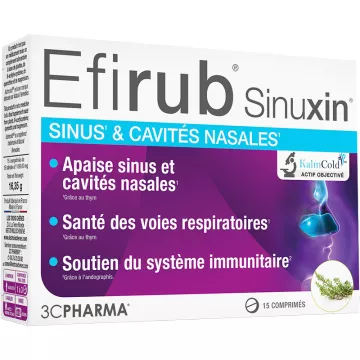
- Nose and sinuses: filtration, humidification, air temperature regulation, sense of smell — common conditions: allergic and infectious rhinitis, sinusitis, nasal congestion, dry nose, nasal and sinus polyps
- Throat and larynx: swallowing, phonation, respiration — common conditions: pharyngitis, tonsillitis, sore throat, laryngitis, hoarseness
- Typical ENT spread: common cold → ear infection (Eustachian tube) — rhinitis → sinusitis (adjacent sinuses) — pharyngitis → laryngitis (spreading to the larynx) — early management of an ENT symptom limits progression
What natural remedies and over-the-counter products are available for each ENT area?
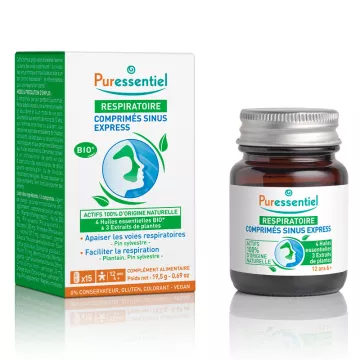
- Nose: nasal irrigation with saline solution or seawater — daily isotonic spray, hypertonic spray during the acute phase — moisturizing gel for an irritated nose — eucalyptus and peppermint essential oils for inhalation — seenasal hygiene and nasal irrigation
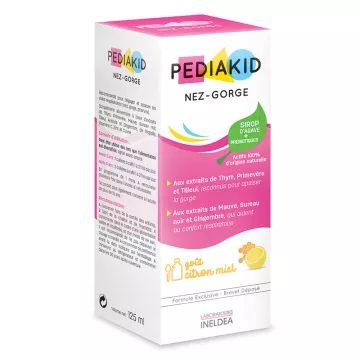
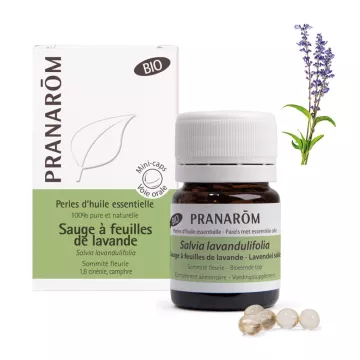
- Throat: propolis sprays and lozenges (antibacterial and soothing to mucous membranes) — gargles with sea salt or sage — honey and ginger herbal tea — chlorhexidine mouthwash for severe infections — see the sore throat product line
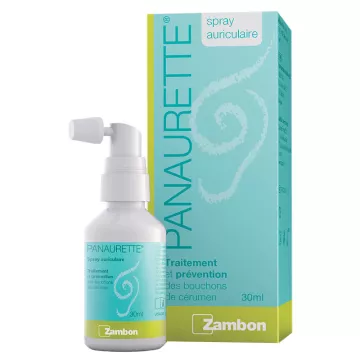
- Ear: Ear spray to soften earwax — avoid using cotton swabs in the ear canal (they push wax deeper and cause irritation) — dry the ear thoroughly after swimming (otitis externa) — wear ear protection in noisy environments
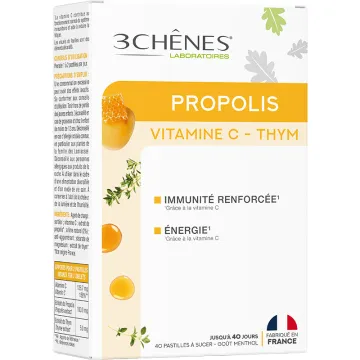
- General immune support: propolis as a winter treatment — vitamin C — vitamin D3 — zinc — annual flu and pneumococcal vaccinations (HAS recommendations)
How to prevent ENT conditions and when to seek medical attention?
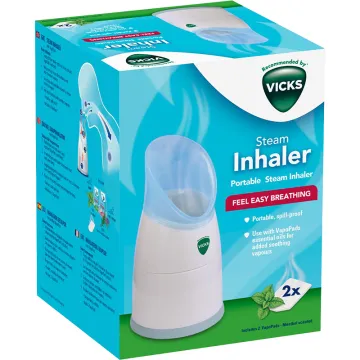
- Daily prevention: regular nasal hygiene — quit smoking (Tabac Info Service: 3989 — smoke irritates all ENT mucous membranes) — use a humidifier if the air is dry (humidity level < 40 %) — purificateurs d'air HEPA en cas d'allergie — limitation de l'exposition aux bruits forts (protection auditive)
- Prévention hivernale : cure de propolis dès septembre — lavage nasal 1 à 2 fois/j — lavage des mains fréquent — aération quotidienne 10 minutes
- Consulter un médecin généraliste si : fièvre > 38,5 °C associée à un symptôme ORL — douleur auriculaire intense chez l'enfant — angine avec dépôts blanchâtres — sinusite avec douleurs faciales >, 10 days
- See a specialist ENT if: unilateral or progressive hearing loss — persistent tinnitus — recurrent dizziness — nasal and sinus polyps — chronic ENT symptoms unresponsive to first-line treatments — unexplained neck mass