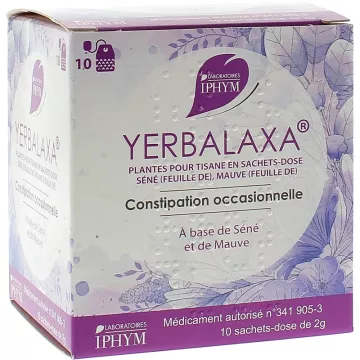
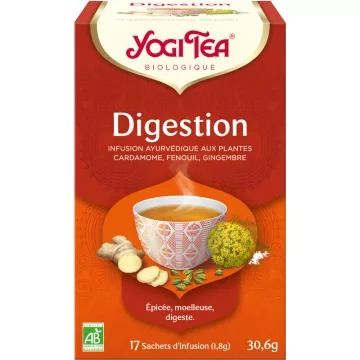
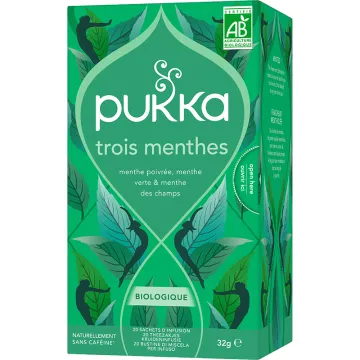
A warm, mild, and comforting beverage, digestive herbal tea is made from herbs traditionally used to aid digestion and soothe the gastrointestinal tract. It’s a natural ally that’s perfect to enjoy right after a meal.
What is a digestive herbal tea?
Digestive herbal teas are infusions made from herbs chosen for their effects on digestive comfort. They have been used for centuries to relieve bloating, gas, cramps, and that heavy feeling after meals. Key herbs include peppermint, ginger, chamomile, and fennel. To explore the full range, check out our organic tea bags and loose-leaf herbal teas.
How do digestive herbal teas work?
Digestive herbal teas work thanks to their specific active compounds:
- menthol in mint relaxes the smooth muscles of the digestive tract and soothes digestive spasms;
- the gingerols in ginger stimulate bile secretion and help relieve nausea;
- the essential oils in fennel and anise help expel gas (carminative effect);
- the flavonoids in chamomile soothe mild digestive inflammation.
What are the benefits for digestive health?
Regular consumption of digestive herbal teas offers several recognized benefits:
- improved comfort after meals, especially in cases of difficult digestion;
- reduced bloating and feelings of heaviness;
- a soothing effect on the stress-digestion connection (thanks to chamomile and lemon balm);
- support for bowel movements in cases of sluggish digestion or mild constipation.
What are the best herbs for digestion?
Beyond the classics, the herbal medicine section is full of traditionally used digestive herbs:
- peppermint: for intestinal spasms and gas;
- chamomile: calming and mild anti-inflammatory effects;
- ginger: nausea, slow digestion, bile secretion;
- fennel and green anise: bloating, gas, cramps;
- lemon balm and verbena: stress-related digestion;
- artichoke, dandelion, boldo, desmodium: liver support and drainage;
- licorice: digestive comfort and mucosal support (avoid if you have high blood pressure).
How do you make a good digestive herbal tea?
The quality of the tea depends on a few simple rules:
- Choose organic herbs to avoid pesticide residues;
- use about one teaspoon of dried herbs per 25 cl of water;
- pour in simmering (not boiling) water to preserve the active ingredients;
- steep for 5 to 10 minutes, covering the cup to retain the essential oils;
- strain, then sweeten as desired with a spoonful of honey or a slice of lemon.
When should you drink a digestive herbal tea?
The best time is after a meal: a cup 15 to 30 minutes after lunch or dinner effectively aids digestion. Digestive herbal tea can also be drunk as needed when specific symptoms arise (bloating, heaviness, gas). However, avoid drinking large amounts right before bedtime: excessive fluid intake late in the day can disrupt sleep and may contribute to nighttime acid reflux.
What side effects and precautions should you be aware of?
Generally well-tolerated, digestive herbal teas require a few precautions for use:
- possible allergic reactions, particularly to plants in the Apiaceae family (fennel, anise);
- pregnancy and breastfeeding: avoid certain plants (anise, fennel, licorice, rosemary) without medical advice;
- high blood pressure: use licorice with caution; avoid prolonged use;
- gastroesophageal reflux: peppermint may worsen symptoms in certain individuals;
- Current medications (anticoagulants, antidiabetics, antihypertensives): possible interactions; consult a healthcare professional.
For children, chamomile and fennel are generally well-tolerated, but a pediatrician’s advice is still essential.
How can you incorporate digestive herbal tea into your routine?
There are several key times throughout the day:
- after lunch and dinner to aid digestion;
- as needed, in case of occasional digestive discomfort;
- as part of an evening routine, with a caffeine-free herbal tea to promote relaxation.
Vary the herbs to avoid getting bored with the same blend and to prevent your body from becoming desensitized to them. To learn more, explore our selections for digestive comfort and digestive disorders, or discoverhow dietary supplementscan improve digestion.