Fennel, green anise, and caraway: Are they the same or not?
All three plants belong to the same family (Apiaceae) and share a recognizable anise-like scent, but their active compounds and effects differ. Fennel (Foeniculum vulgare) is the most potent of the three in terms of digestive and hormonal activity—its trans-anethole accounts for 60–80% of the essential oil, compared to 80–90% forgreen anise, but with a fenchone concentration (5–20%) that enhances its antispasmodic action. Caraway, on the other hand, contains no anethole—its profile is entirely different despite the botanical relationship.
Fennel is also the only one of the three with a documented phytoestrogenic effect—which makes it a valuable plant for certain women’s health needs, but also the one requiring the most caution.
What are the digestive uses of fennel recognized by the EMA?
This is the primary indication—recognized as a traditional use by the EMA/HMPC for fennel seeds.
- Trans-anethole and fenchone relax the smooth muscles of the digestive tract—fennel is one of the most powerful carminatives in the European Pharmacopoeia
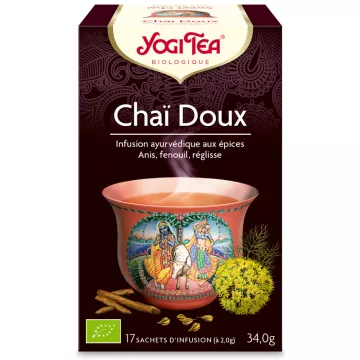
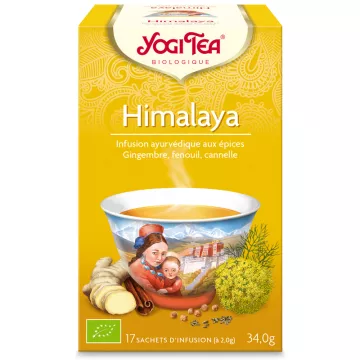
- Herbal tea: 1–2 c.c. of lightly crushed seeds in 250 mL of water at 90°C, steeped covered for 10 minutes—2–3 cups per day, preferably after meals—relief from bloating, gas, and mild cramps
- Seeds to chew after meals: a simple, traditional remedy effective for post-meal heaviness—an anise-like flavor and immediate carminative effect
- Classic carminative trio: fennel + green anise + caraway — the go-to digestive herbal tea in European herbal medicine
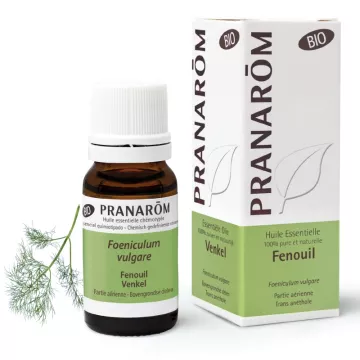
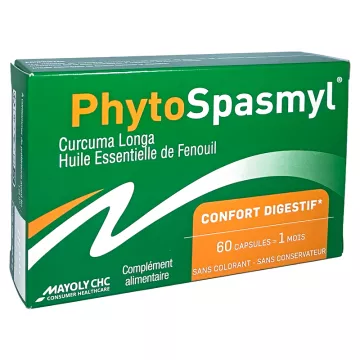
- Dry extract or essential oil capsules: for more targeted treatments of persistent functional disorders
Fennel and Women’s Health Support: How to Use It?
Anethole has a chemical structure similar to that of estrogen—this is both what makes fennel beneficial for some women and what justifies the strict precautions associated with its use.
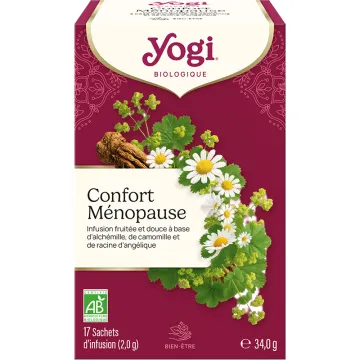
As a herbal tea in reasonable doses (1–2 cups/day), fennel is traditionally used in herbal medicine to support comfort during painful periods and for women going through menopause who experience mild discomfort. These uses are well documented in European pharmacopoeias, though they are not equivalent to hormone therapy.
- Herbal tea for menstrual comfort: fennel + cilantro — digestive antispasmodic with a mild, gentle hormonal effect
- Lactation support: well-established traditional use—fennel herbal tea is often recommended for breastfeeding women, but always under the guidance of a doctor or midwife
- Pregnant women: fennel in large quantities or as an essential oil is contraindicated during pregnancy—the phytoestrogenic effect can be harmful
A lesser-known but well-documented use, as a complement to traditional respiratory essential oils.
- Anethole has a mild expectorant effect—bronchial secretions become more fluid—useful for productive coughs without fever
- Herbal tea: fennel seeds + thyme—a gentle expectorant combination for irritated upper respiratory tracts
- Essential oil in a diffuser: 4–5 drops, warm anise-like note—less potent than eucalyptus but well-tolerated by those with sensitive systems
What precautions should be taken with fennel?
- Pregnant women: Contraindicated in essential oil and concentrated extracts—very mild herbal tea may be consumed occasionally only under medical supervision
- Hormone-dependent conditions (breast cancer, endometrial cancer, endometriosis, PCOS): Avoid any concentrated fennel supplements—medical advice required
- Children under 12: fennel essential oil is contraindicated—use only very mild herbal tea under pediatric supervision
- Allergy to Apiaceae (carrot, celery, anise, parsley): risk of cross-reactivity—test before extended use
- Essential oil: do not exceed 1–2% for topical use—irritating at high concentrations
- Essential oil treatment duration: 2–3 weeks maximum—anethole accumulates with prolonged use