What are the best ways to maintain a youthful body?
Maintaining a youthful body requires a holistic, long-term approach. Research in gerontology and the biology of aging points to a few fundamental pillars:
- A varied, anti-inflammatory diet: fruits, vegetables, legumes, fatty fish, whole grains, nuts, and seeds. The Mediterranean and Okinawa-style diets are associated with healthy longevity.
- Regular physical activity: 150 minutes per week of moderate-intensity exercise, according to WHO recommendations, combining cardio, strength training, and flexibility exercises.
- Quality sleep: 7 to 9 hours per night, at regular times.
- Daily sun protection: SPF 30–50, the first documented anti-aging measure for the skin.
- Stress management and social connections: meditation, sophrology, enjoyable activities, and quality relationships.
- Quitting smoking and limiting alcohol consumption.
- Stayhydrated throughout the day.
- Targeted skincare and body care tailored to age and individual needs.
- Regularmedical checkups for early detection of age-related conditions.
The goal is not so much raw longevity as it is a long, healthy life (“healthspan”). Habits established early in life have the most lasting effects, but it’s never too late to adopt a healthy lifestyle.
How does hydration affect the skin’s youthful appearance?
Hydration is essential on several levels:
- Internal hydration: 1.5 to 2 liters of water per day, spread out evenly throughout the day (adjust as needed in cases of heart or kidney disease). Water, herbal teas, broths, and water-rich fruits and vegetables.
- External skin hydration: daily skincare products containinghyaluronic acid, glycerin, ceramides, plant-based butters, and oils.
- Effect onskin elasticity: Well-hydrated skin is more flexible and better able to return to its original shape, reduces fine lines caused by dehydration, and supports the integrity of the skin barrier.
- Cellular detoxification: Water supports renal and lymphatic elimination.
- Microcirculation and tissue oxygenation.
A few additional tips: limit alcohol (which is dehydrating), excessive caffeine, and sugary drinks. Mineral water (during intense exercise, in hot weather, or when sweating heavily) remains a good habit.
How important is sleep for maintaining the body’s youthfulness?
Sleep plays a major, often underestimated role:
- Growth hormone secretion during deep sleep phases: cellular regeneration, collagen synthesis, and tissue repair.
- Memory consolidation and brain cleansing (glymphatic system).
- Hormonal regulation: cortisol, insulin, leptin, ghrelin, and sex hormones.
- Immune system renewal and support for natural defenses.
- Cardiovascular recovery: decreased heart rate, rest for the cardiovascular system.
- Regulation of mood and mental load.
- Skin repair and tissue drainage (dark circles, puffiness).
Chronic sleep deprivation measurably accelerates biological aging. Goals: 7 to 9 hours of regular sleep, consistent sleep schedule, cool bedroom (18–19 °C), darkness, quiet, limited screen time in the evening, and moderate alcohol and caffeine intake.
What exercises are recommended to maintain a youthful body?
Physical activity that combines several elements:
- Cardio (brisk walking, running, cycling, swimming, dancing): cardiovascular health, respiratory capacity, weight management, mood. 150 minutes per week of moderate-intensity exercise according to the WHO, or 75 minutes of high-intensity exercise.
- Strength training 2 to 3 times a week: maintains muscle mass (combats sarcopenia after age 40), bone density (prevents osteoporosis), and basal metabolism.
- Flexibility and mobility: yoga, stretching, Pilates. Preserves joint range of motion and prevents musculoskeletal pain.
- Balance: tai chi, gentle exercise, specific exercises. Prevents falls after age 60.
- Outdoor and nature-basedactivities: cumulative benefits for mood, natural light therapy (vitamin D), and breathing.
- Consistency: 30 minutes a day is better than a single intense workout.
Regular physical activity has a documented effect on telomere length, a marker of cellular aging. It also affects sleep, mood, cognition, and skin quality.
How does diet affect the body’s youthfulness?
Diet is a powerful tool:
- High-quality protein (eggs, fish, lean meats, legumes, soy): helps maintain muscle mass and provides the building blocks for collagen.
- A variety of fruits and vegetables: antioxidants (polyphenols, carotenoids), vitamins, minerals, and fiber.
- Essential fatty acids: omega-3 EPA/DHA (fatty fish, flaxseed, chia, walnuts), omega-9 (olive oil).
- Whole grains: fiber, B vitamins, minerals.
- Legumes: plant-based protein, fiber, iron, magnesium.
- Nuts and seeds: fatty acids, vitamin E, minerals.
- Spices and herbs: turmeric, ginger, rosemary, thyme, oregano (antioxidant and anti-inflammatory effects).
- Hydration through water, herbal teas, infusions, and green tea.
- Limit: added sugars (glycation of tissue proteins), ultra-processed foods, processed meats, trans fats, and excessive alcohol.
The Mediterranean, MIND, and Okinawa-style diets have been linked to a longer healthy life expectancy in several large-scale epidemiological studies.
What are the most effective anti-aging treatments?
Effectiveness varies depending on the targeted parameters:
- Daily sun protection: the most well-documented practice for the skin.
- Topical treatments containing retinol, vitamin C, peptides, niacinamide, and hyaluronic acid. Gradual effects over several months.
- Non-invasivedermatological procedures: chemical peels, microdermabrasion, fractional lasers.
- Radiofrequency, HIFU, and microneedling performed in a medical office.
- Cosmetic injections (botulinum toxin, hyaluronic acid) as medically indicated.
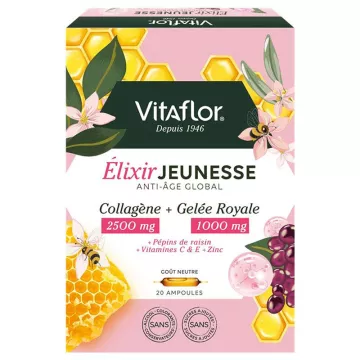
- Targeteddietary supplements: hydrolyzed collagen, omega-3, antioxidants, as an adjunct.
- Overall lifestyle: the most decisive factor in the long term.
Before any cosmetic treatment, a medical consultation is conducted to assess indications, contraindications, and expectations. Be wary of “miracle” promises: no procedure can completely “rejuvenate” the body.
What role do supplements play in maintaining the body’s youthfulness?
Dietary supplements can complement a balanced diet, but they should not replace it. The most extensively studied include:
- Omega-3 EPA/DHA: inflammation regulation, cardiovascular health, brain health, and skin health.
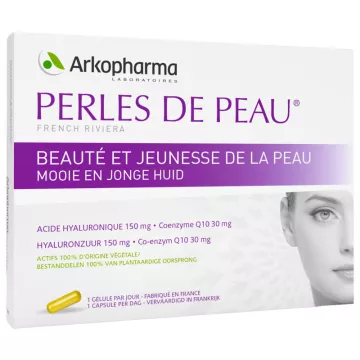
- Coenzyme Q10: an energizing antioxidant, particularly beneficial after age 40 and for those on certain medications (statins).
- Resveratrol: a polyphenol found in grapes, studied for its effects on sirtuins (longevity genes), and an antioxidant.
- Plantpolyphenols: broad-spectrum antioxidants.
- Vitamin C and vitamin E: well-documented antioxidants.
- Vitamin D: common deficiency in France; impacts bone health, immunity, and mood.
- Zinc and selenium: antioxidant cofactors.
- Hydrolyzed collagen: studies available on the skin, joints, and bones (beneficial after age 40–50).
- Magnesium: common deficiency; benefits for stress, sleep, and fatigue.
- Curcumin and turmeric: plant-based anti-inflammatory, subject to bioavailability.
Pharmaceutical consultation recommended before supplementation: possible drug interactions (anticoagulants with omega-3 and polyphenols, statins with St. John’s wort, etc.), contraindications depending on medical conditions and pregnancy.
Stress and the Body’s Youthfulness: Understanding and Managing
Chronic stress has a direct effect on the rate of aging:
- Chronicelevated cortisol levels: degradation of connective tissues, immunosuppression, and metabolic disruption.
- Low-grade systemic inflammation (“inflammaging”).
- Telomere shortening: a marker of cellular aging (research by Elizabeth Blackburn, 2009 Nobel Prize winner).
- Sleep disturbances, which have their own impact.
- Harmfulcompensatory behaviors (smoking, alcohol, an unbalanced diet, a sedentary lifestyle).
- Acceleratedskin aging.
Recognized approaches to managing stress:
- Mindfulness-Based Stress Reduction (MBSR): structured protocols.
- Sophrology, Ericksonian hypnosis, EFT.
- Yoga, tai chi, qi gong: mind-body practices.
- Cardiac coherence: breathing exercises (3 sets of 5 minutes per day, 5-5 rhythm).
- Regular physical activity: proven impact on cortisol levels.
- Time spent in nature: documented effects on lowering cortisol levels.
- Social connections and emotional support.
- Creative and enjoyableactivities.
- Professional support (psychologist, psychotherapist) if stress becomes overwhelming.
Cosmetic Dermatology and Body Rejuvenation
Cosmetic dermatology offers a variety of options, to be chosen based on your goals:
- Hyaluronic acid injections: volume restoration, filling of moderate to deep wrinkles, deep hydration (skin boosters). Lasts 6 to 18 months.
- Type A botulinum toxin injections: dynamic wrinkles (forehead, glabella, crow’s feet). Prescription-only medication. Lasts 3 to 6 months.
- Superficial to deepchemical peels: depending on goals (radiance, dark spots, wrinkles, scars).
- Non-ablative and ablativefractional lasers: dermal remodeling.
- Radiofrequency and HIFU: gradual skin-tightening effect.
- In-officemicroneedling: collagen stimulation.
- Cryolipolysis and radiofrequency for the body: body contouring.
- LED phototherapy: improvement in skin radiance and quality.
All procedures must be performed in a medical office by trained and certified practitioners. Choose doctors registered with the Medical Board, verify their training and experience, request a detailed estimate, and observe the mandatory cooling-off period.
Choose Your Treatments Wisely to Preserve Your Body’s Youthfulness
A consistent skincare routine is the foundation of dailyanti-aging care:
- Gentle cleansing morning and evening with soap-free products that do not contain denatured alcohol.
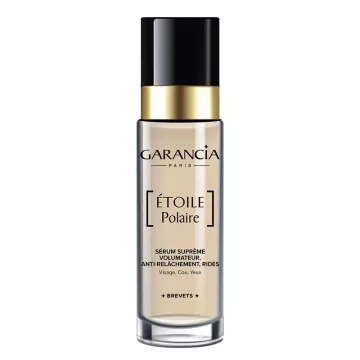
- Serum with targeted active ingredients: vitamin C in the morning, retinol or peptides in the evening (depending on your skin type).
- A cream suited to your skin type: anti-aging treatment tailored to your needs (hydration, firmness, fine lines, dark spots).
- SPF 30–50 sunscreen in the morning—essential.
- Nighttime treatment focused on regeneration.
- Eye contour care designed for the delicate and sensitiveeye area.
- Body care: moisturizing lotions, nourishing butters, precious oils, and targeted treatments for exposed areas (hands, décolletage).
- Moderate exfoliation: 1 to 2 times a week, depending on your skin type.
- Hydrating or targetedmasks: 1 to 2 times a week.
Adapting the routine to your skin type and age takes precedence over the apparent sophistication of the routine. Consistency is the most important factor in the long term.
Sun protection and youthful skin: an essential pillar
Sun protection is the best-documented anti-aging measure:
- UV rays are responsible for 80–90% of the visible signs of skin photoaging: wrinkles, dark spots, loss of elasticity, sagging, and telangiectasias.
- Carcinogenic risk: skin carcinomas (basal cell, squamous cell), melanoma. Sun protection prevents these risks.
- SPF 30 minimum, ideally 50, broad-spectrum (UVA + UVB).
- Apply daily, summer and winter, in the city and in the countryside, even on cloudy days.
- Sufficient amount: 2 mg/cm² (about 1 teaspoon for the face and neck); often applied in insufficient quantities in real-world use.
- Reapply every 2 hours during prolonged sun exposure and after swimming or sweating.
- Combine with physical protection: covering clothing, a wide-brimmed hat, sunglasses with a UV protection rating of 3 or 4, and shade.
- Avoid sun exposure between noon and 4 p.m. (when the sun is strongest).
- Adaptation for children: protection is particularly important; physical sun protection is preferred for children under 3 years of age.
- Mineral or organic filters: both have their place; mineral filters are sometimes preferred for sensitive skin or children.
Long-term sun protection preserves skin health far more effectively than any anti-aging cream alone.