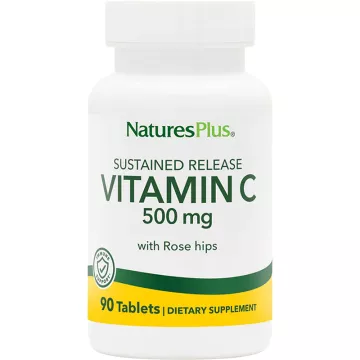
In the health and wellness sector, the concept of “source of life” refers to nutritional strategies and dietary supplements that support vitality, cellular energy, and healthy longevity. It is based on active ingredients with proven efficacy: antioxidants, essential fatty acids, cofactor vitamins, and micronutrients that are essential for the body’s optimal functioning. Discover our nutritional supplements.
Which nutrients are key to vitality?
Vitality rests on a solid nutritional foundation—several micronutrients play specific, well-documented roles.
- Vitamin C: helps reduce fatigue and supports the normal functioning of the immune system (EFSA claims)
- Vitamin D3: contributes to the normal function of the immune system, muscles, and calcium absorption (EFSA claims)
- Magnesium: helps reduce fatigue, supports normal energy metabolism, and supports nervous system function (EFSA claims)
- B vitamins (B2, B6, B12, folic acid): essential cofactors for energy metabolism—deficiencies are common among older adults and vegans
- Zinc: contributes to normal immune function, protein synthesis, and cellular protection (EFSA claims)
Antioxidants and cellular protection?
Cellular protection against oxidative stress is a key factor in healthy longevity.
- Dietaryantioxidants: vitamin C, vitamin E, selenium, carotenoids, polyphenols —a synergistic network for neutralizing free radicals
- Coenzyme Q10: mitochondrial protection, ATP production — levels decline with age
- Alpha-lipoic acid: water- and fat-soluble antioxidant; regenerates vitamin C and glutathione
- Resveratrol: sirtuin activator, studied for its role in supporting cellular longevity
- Diversifying antioxidant sources is more effective than intensive supplementation with a single source
Essential Fatty Acids and Long-Term Health?
Omega-3 fatty acids EPA and DHA play a central role in long-term health.
- EPA+DHA contribute to normal heart function — 250 mg/day (EFSA claim)
- DHA contributes to normal brain function and the maintenance of normal vision (EFSA claims)
- Main sources: fatty fish (fish oil), marine algae (vegan) — 2 to 3 servings of fatty fish per week recommended
- The Western diet is structurally deficient in omega-3s—supplementation compensates for this chronic deficiency
Hydration and cellular health?
Hydration is a prerequisite for optimal cellular function — it determines the bioavailability of nutrients.
- Water transports nutrients to the cells and removes metabolic waste
- Recommended intake: at least 1.5 to 2 liters per day—more during physical activity or in hot weather
- Mineral waters rich in magnesium (Hépar, Rozana) contribute to the daily intake of this mineral
- Green teas and herbal infusions: hydration + a source of polyphenols and phytotherapeutic compounds
Sleep, stress, and vitality?
Sleep and stress management are just as important for cellular recovery as nutrition.
- Melatonin: a hormone involved in the sleep-wake cycle—helps reduce the time it takes to fall asleep (EFSA claim: 0.5 mg)
- Magnesium + L-theanine: supports mental well-being and relaxation without causing drowsiness
- Chronic stress raises cortisol levels, promotes the production of free radicals, and depletes magnesium and zinc reserves
- Adaptogenic herbs (maca): support resistance to fatigue and overall vitality
- See our serenity and well-being line
Which supplements support daily vitality?
Several key active ingredients can support vitality as part of a targeted nutritional approach.
- Multivitamin-mineral formulas: basic coverage of essential micronutrients—choose based on age (women, seniors, athletes)
- Spirulina: complete plant-based protein, iron, phycocyanin—energy and vitality
- Fatigue: Identify the cause (documented deficiency, overwork, sleep disorders) before choosing the appropriate active ingredient
- Annual blood test recommended: vitamin D, B12, iron/ferritin, serum magnesium — adjust supplementation based on results, not blindly