0
Menu

Spirulina: Benefits and Uses

Filter
Number of products : 21
Sort
Sort
Close
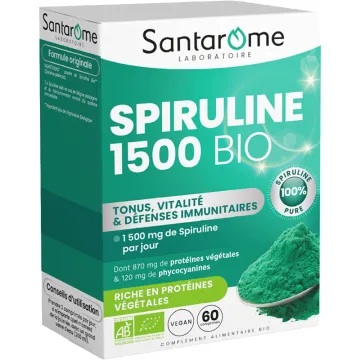
Santarome Spirulina Bio 60 Tablets Santarome Spirulina Bio 60 Tablets
€9.35
Shipped within 24h
Nutri&Co French & Organic Spirulina 60 Tablets Nutri&Co French & Organic Spirulina 60 Tablets
120 tablets
€19.90
Add to cart
Shipped within 24h
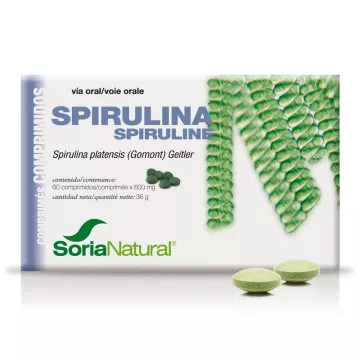
Soria Natural Spirulina 60 tablets Soria Natural Spirulina 60 tablets
€13.49
Shipped within 24h
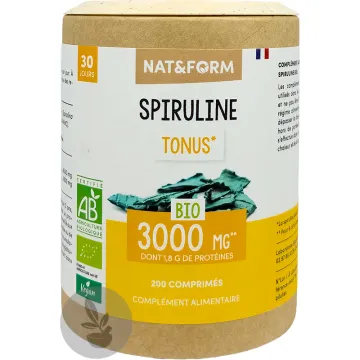
Nat & Form Organic Spirulina, 200 Eco Tablets Nat & Form Organic Spirulina, 200 Eco Tablets
€10.49
Shipped within 24h
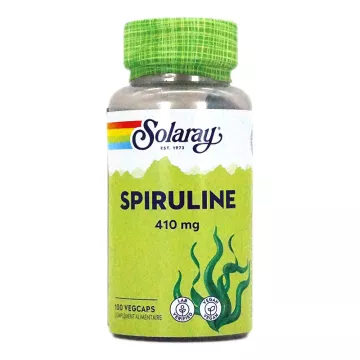
Solaray Spirulina 410 mg 100 capsules Solaray Spirulina 410 mg 100 capsules
€22.29
Shipped within 24h
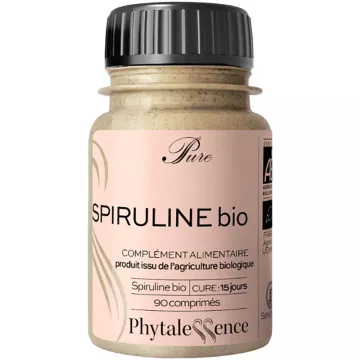
Phytalessence Spirulina Bio 90 tablets Phytalessence Spirulina Bio 90 tablets
€13.20
Shipped within 24h
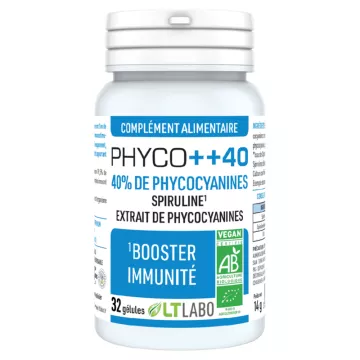
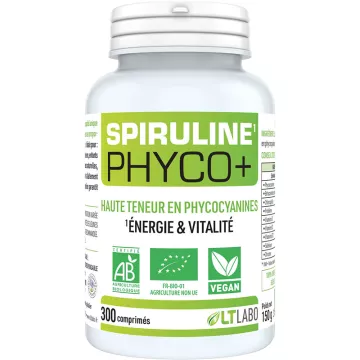
LT Labo Phyco++ 40 Bio Immunity Booster 32 Capsules LT Labo Phyco++ 40 Bio Immunity Booster 32 Capsules
€24.79
Shipped within 24h
Be-Life Spirulina 500 Organic Tonus Vitality Be-Life Spirulina 500 Organic Tonus Vitality
€19.55
Shipped within 24h
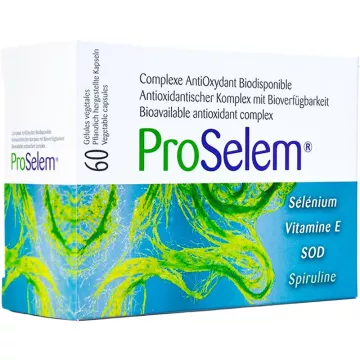
Proselem Anti-Oxidant SOD Spirulina selenium vitamin E 60 Capsules Proselem Anti-Oxidant SOD Spirulina selenium vitamin E 60 Capsules
€32.49
Shipped within 24h
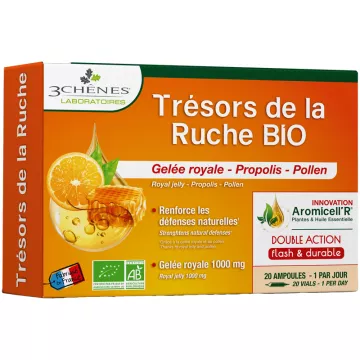
3-Chênes Trésor de la Ruche Bio 20 phials 3-Chênes Trésor de la Ruche Bio 20 phials
€15.35
Shipped within 24h
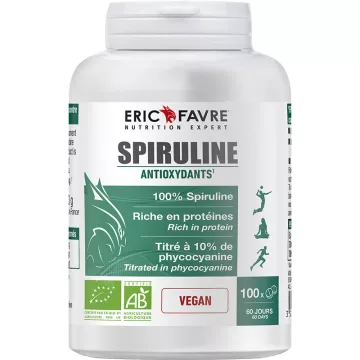
Eric Favre Organic Vegan Spirulina Eric Favre Organic Vegan Spirulina
€11.15
Shipped within 24h
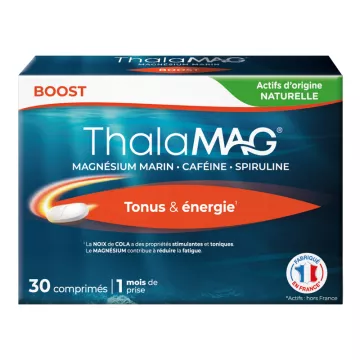
Thalamag Boost Mg Walnut Cola Spirulina 30 tablets Thalamag Boost Mg Walnut Cola Spirulina 30 tablets
€11.49
Shipped in 5 to 7 working days

Spirulina (Arthrospira platensis) is a blue-green microalgae that is exceptionally rich in protein, vitamins, minerals, antioxidants, and essential fatty acids. Considered a superfood, it is consumed as a dietary supplement to support energy and vitality. It is mainly available in powder, tablet, or capsule form.

What is spirulina?

Spirulina is a microalga cultivated in warm, alkaline waters, prized for its high nutritional density. It contains up to 70% protein, as well as iron, magnesium, B vitamins, and antioxidant pigments such as phycocyanin and beta-carotene.

What are the benefits of spirulina?

Spirulina is a nutrient-dense food whose benefits stem from its composition.

  • Provides complete proteins, which help maintain muscle mass
  • It is a source of iron and B vitamins, which help reduce fatigue
  • It is rich in magnesium, which supports nervous and muscular balance
  • It contains antioxidant pigments that help protect cells from oxidative stress

How should spirulina be used, and what is the recommended dosage?

Spirulina can be easily incorporated into your daily routine, depending on the form you choose.

  • Powder: mix into a drink for a convenient nutritional boost
  • Tablets or capsules: easy to measure out, with no strong taste
  • Dosage: Start with 1 g per day, gradually increasing according to the product instructions

Gradually increasing the dose helps minimize potential digestive issues at the start of treatment.

Is spirulina beneficial for athletes?

Thanks to its high protein and mineral content, spirulina is of interest to athletes and those with demanding nutritional needs.

Is spirulina good for the skin and hair?

The nutrients in spirulina contribute to the beauty of the skin and hair as part of a holistic approach.

What’s the difference between spirulina and chlorella?

These two microalgae have distinct and often complementary profiles. Spirulina is distinguished by its high content of protein, iron, and phycocyanin, while chlorella is best known for its high chlorophyll content. The choice depends on individual goals and preferences.

Are there any contraindications for spirulina?

Although natural, spirulina requires certain precautions.

  • It is not recommended for people with hemochromatosis due to its iron content
  • Should be avoided in cases of autoimmune disease
  • Not recommended for people with kidney failure or phenylketonuria
  • May cause digestive upset at the start of a treatment course

Quality is essential: ANSES notes that poorly produced spirulina may contain cyanotoxins, heavy metals, or bacteria. Choose a traceable product, grown without contaminants. If you are undergoing treatment, are pregnant, or have any concerns, consult your pharmacist. Content reviewed by Arnaud, Ph.D. in Pharmacy.