Fish oil is the most concentrated and most extensively studied source of marineomega-3 fatty acids (EPA and DHA). Extracted from fatty fish at the lower end of the food chain—such as sardines, anchovies, and mackerel—it has a high EPA/DHA ratio and a lower risk of heavy metal contamination than large predatory fish. Find our selection of omega-3 supplements at your local pharmacy.
What is fish oil?
Fish oil is a lipid extract obtained by pressing or extracting the fatty tissues of pelagic fish (sardines, anchovies, mackerel, herring). It is standardized for EPA and DHA, the two active forms of marine omega-3s. The total omega-3 content varies depending on the oil’s quality: from 30% for standard oils to over 70% for triglyceride concentrates. It differs from other sources in that it is rich in both EPA and DHA—omega-9 (oleic acid) may also be present in small amounts.
What are the benefits of fish oil?
Fish oil has several EFSA-approved health claims related to its EPA and DHA content.
- Heart: EPA and DHA contribute to normal heart function—250 mg EPA+DHA/day
- Triglycerides: EPA and DHA contribute to the maintenance of normal blood triglyceride levels — 2 g EPA+DHA/day
- Blood pressure: EPA and DHA contribute to the maintenance of normal blood pressure — 3 g EPA+DHA/day
- Brain: DHA supports normal brain function — 250 mg DHA/day
- Vision: DHA helps maintain normal vision, in synergy with lutein
- Pregnancy: Maternal DHA contributes to the normal brain development of the fetus and breastfed infants
Fish oil, krill, or algae: which should you choose?
The three sources of marine omega-3s have distinct profiles and benefits.
- Fish oil: the most extensively studied, highest concentration of EPA+DHA, best value for money—preferably in the form of re-esterified triglycerides
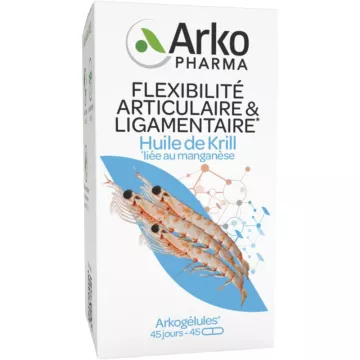
- Krill oil: EPA and DHA bound to phospholipids (better absorption), with the antioxidant astaxanthin—less concentrated but potentially higher bioavailability
- Algae oil: a vegan source of DHA (and EPA depending on the strain), with no risk of fish allergies—comparable effectiveness for DHA
- For athletes: fish oil concentrated in EPA; for pregnancy: algae oil or fish oil rich in DHA
Fish oil and sports: what are the benefits?
The omega-3s in fish oil are beneficial in sports recovery regimens.
- They contribute to joint and muscle comfort during periods of intense training
- They reduce post-exercise oxidative stress—best combined with coenzyme Q10 and vitamin C
- See our sports recovery line
- Caution regarding high doses before surgery: stop taking 1 to 2 weeks before surgery
How to Choose Fish Oil?
The quality of fish oil is determined by four key criteria.
- EPA+DHA content per capsule: check the actual EPA and DHA content, not just the total “fish oil” amount
- Chemical form: re-esterified triglycerides > phospholipids > ethyl esters (in descending order of bioavailability)
- Purity: IFOS-certified or TOTOX < 26 — guarantees the absence of mercury, PCBs, and dioxins
- Freshness: low oxidation index (TOTOX) — store in the refrigerator after opening
- Sardines and anchovies are preferable to large fish (tuna, shark) — lower bioaccumulation of heavy metals
Precautions and contraindications?
Fish oil is generally well tolerated, but some precautions are necessary.
- Allergy to fish and shellfish: contraindicated—opt for algae oil
- Anticoagulants (warfarin, high-dose aspirin): interaction at high doses > 3 g/day — inform your doctor
- Digestive issues (fishy-tasting belches): choose enteric-coated capsules or take with a meal
- Do not exceed 5 g/day without medical advice—risk of prolonged bleeding time
- Recommended combination with vitamin D3 for enhanced bone and immune support