Olfactotherapy is a complementary approach that uses essential oils through the sense of smell—via diffusion into the air, dry inhalation, or spot application—to support emotional balance and certain everyday states. It differs fromaromatherapy in the broader sense in that it focuses exclusively on the nasal route, without diluted topical application or ingestion.
Practiced in France following the work of Gilles Fournil in the 1990s, olfactotherapy is part of a non-pharmacological approach to emotional care. It does not replace psychotherapeutic or pharmacological treatment and is not covered by health insurance: it is a complementary practice to be integrated thoughtfully into an overall healthy lifestyle.
When the aromatic molecules of an essential oil reach the olfactory epithelium at the top of the nasal cavities, they activate neurons in the olfactory bulb. This signal is one of the few sensory messages to reach the limbic system directly, without passing through the thalamus.
The limbic system comprises the brain structures involved in emotions (amygdala), memory (hippocampus), and autonomic nervous system regulation (hypothalamus). It is this direct pathway that explains the immediate, visceral, and highly associative nature of the olfactory response—a simple scent of lavender or a madeleine can evoke a childhood memory with particular intensity. Olfactotherapy harnesses this anatomical feature by intentionally associating a “resource” scent with a desired emotional state.
Aromatherapy is the comprehensive therapeutic use of essential oils via the olfactory, cutaneous, and, more rarely, oral routes, supervised by pharmacists and certain trained physicians.Olfactotherapy is a specific branch of this field, limited to the nasal route.
This distinction has two practical consequences. First, the safety profile is very favorable: there is no significant skin absorption and no first-pass metabolism through the liver, resulting in fewer drug interactions and a lower risk of systemic toxicity. Second, the therapeutic objective is different: olfactory therapy primarily targets the emotional and associative spheres, whereas topical or oral aromatherapy also aims to produce anti-infective, anti-inflammatory, and systemic effects. The equipment used is the same as that for aromatherapy (diffusers, inhaler sticks, scented handkerchiefs).
Olfactotherapy is traditionally recommended for several common emotional conditions, as a complement to lifestyle measures and, when appropriate, medical care.
It is commonly used to help manage stress and mental strain, stress-related tension and sleep issues, mildanxiety, and mental focus during exam periods or periods of heavy workloads. It is not a substitute for medical advice in cases of persistent anxiety or depression, established sleep disorders, or marked mood changes that require evaluation by a mental health professional.
The choice of an essential oil for olfactotherapy is based on three criteria: the quality of the product, its suitability for the intended purpose, and the individual’s response to the scent. An oil that seems perfectly suited on paper may be poorly tolerated if it evokes an unpleasant memory for the person.
Opt for a 100% pure and natural, chemotyped (HECT) essential oil, ideally from organic farming, packaged in a tinted glass bottle and equipped with a dropper. The product information sheet must specify the Latin name, the part of the plant distilled, the country of origin, the extraction method, and the batch number. Recognized pharmaceutical-grade lines, such as those available in the Pranarom or Phytosun Arôms organic essential oil selections, meet these criteria. For personalized guidance, a community pharmacist trained in aromatherapy or a certified practitioner remains the best point of contact.
A few essential oils are must-haves that cover the most common needs in aromatherapy. They provide an accessible starting point for putting together your first aromatherapy kit.
True lavender (Lavandula angustifolia) is traditionally used for its soothing scent before bedtime or during times of nervous tension. Cineole rosemary (Rosmarinus officinalis ct cineole) helps during periods of mental fatigue and supports memory.Eucalyptus (radiata or globulus) is valued for the sensation of easier breathing it provides during the winter months, as is ravintsara. Mandarin and Roman chamomile offer gentle scents that are particularly well-suited for bedtime.
There are several ways to incorporate aromatherapy into your daily routine, ranging from the simplest (inhaling directly from the bottle) to the most elaborate (using an ultrasonic room diffuser). The choice depends on the situation, the desired duration, and whether or not other people or pets are in the room.
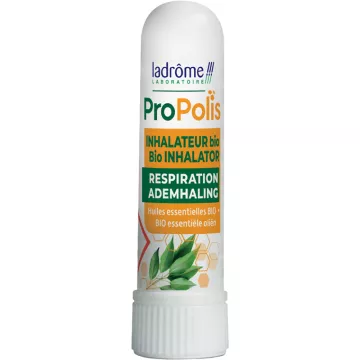
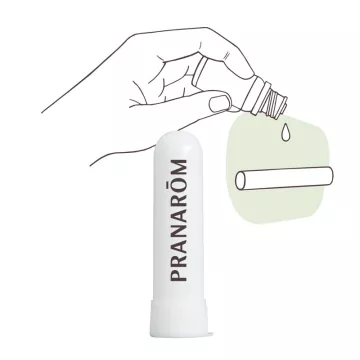
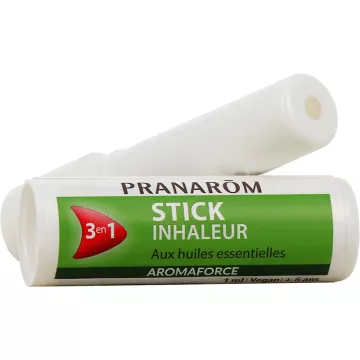
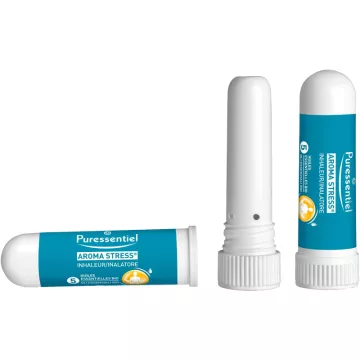
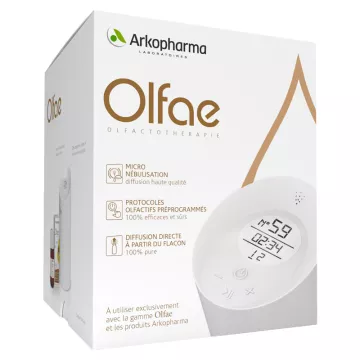
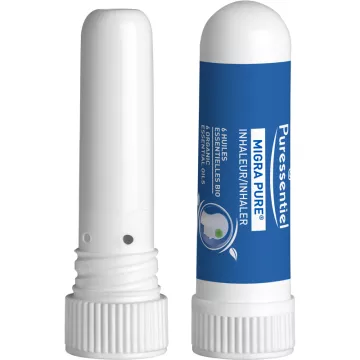
Essential oil diffusers (using cold vaporization, ultrasonic technology, or ventilation) disperse aromatic molecules into the air for continuous diffusion. The selection is available in the essential oil diffuser category. Personal inhaler sticks (inhalation sticks) offer discreet, portable diffusion without affecting those around you. Applying a drop to a tissue or a porous stone is the most economical method.Application to pulse points (wrists, solar plexus, behind the ears) must always be done with an essential oil properly diluted in a carrier oil; this practice falls strictly outside the scope of olfactotherapy and falls under the category of topical aromatherapy.
Olfactotherapy has a favorable safety profile but should never be used without caution. Certain conditions require special vigilance, and in some cases, there may be a formal contraindication for certain oils.
For pregnant or breastfeeding women, diffusion is generally not recommended during the first trimester and should subsequently be limited to a few mild oils approved by a pharmacist or a trained midwife. Forchildren under 3 years of age, diffusing essential oils into the air at home is generally not recommended; for older children, the “essential oils for children” category includes selected products. Forpeople with asthma or epilepsy, essential oils rich in ketones (peppermint, sage, hyssop) or very potent oils (eucalyptus globulus at high doses) are contraindicated: there is a risk of bronchospasm or a seizure. Citrus essential oils (lemon, bergamot, orange) are photosensitizing when applied to the skin—however, this risk does not apply when used in a diffuser. Always test on a small area before any topical application and stop immediately if you experience breathing difficulties, itching, or headaches.
Aromatherapy is sometimes associated with an improvement in the perceived quality of indoor air, particularly during the winter months or during outbreaks of illness. This perception is based primarily on the reassuring scent of essential oils, which is distinct from actual microbiological purification of the air.
Several essential oils (eucalyptus, ravintsara, niaouli, tea tree) have documented antimicrobial properties in vitro, but their effectiveness under real-world conditions of home diffusion remains debated and depends on the concentration reached in the air, ventilation, and duration of exposure. Diffusion is therefore not a substitute forthe daily ventilation of the home recommended by ANSES, nor for preventive measures during periods of respiratory infection. Moderate diffusion—15 to 30 minutes twice a day in a well-ventilated space—remains a good balance between olfactory comfort and respiratory safety.
The scientific literature on olfactotherapy in the strict sense remains limited, but several clinical and preclinical studies have explored the effect of aromas on preoperative anxiety, sleep in hospitals, comfort in palliative care, and specific cognitive performance.
The results are variable and heterogeneous, often positive on subjective measures (anxiety scale, perceived sleep quality), but more modest on objective measures. These data support the use of aromatherapy as a complementary approach within a comprehensive care plan, without positioning it as a standard of care. The HAS does not take a position on olfactotherapy as a formally recognized therapeutic framework, but the EMA and the ANSM regulate individual essential oils through their dedicated monographs, where available.