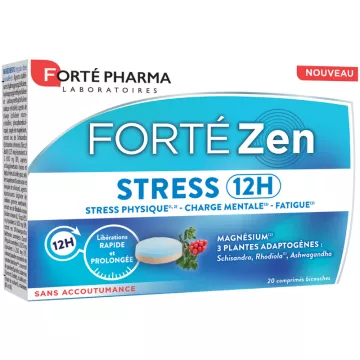
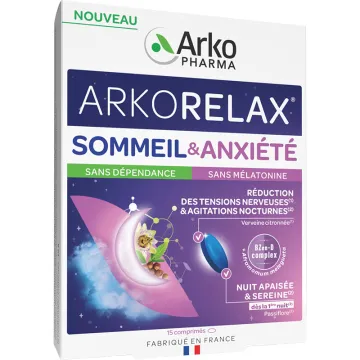
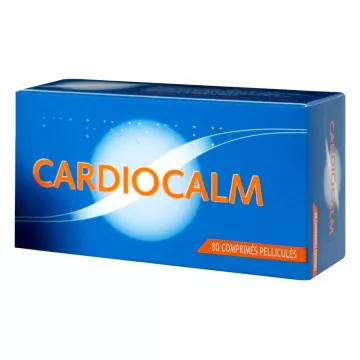
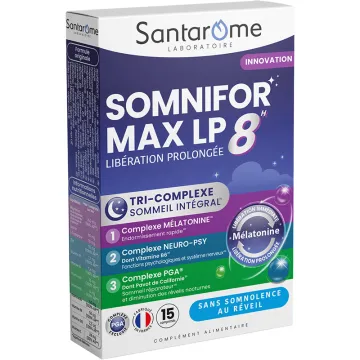
The link between stress and sleep is bidirectional and self-perpetuating. Stress activates the hypothalamic-pituitary-adrenal (HPA) axis and the sympathetic nervous system, releasing cortisol and adrenaline, which keep the body in a state of alertness and prevent entry into deep N3 sleep. Conversely, a lack of sleep amplifies the HPA axis’s responsiveness, increases baseline cortisol levels the following day, and reduces tolerance to stressors—creating a vicious cycle. High nighttime blood pressure (often linked to chronic stress) is also associated with a reduction in restorative deep sleep.
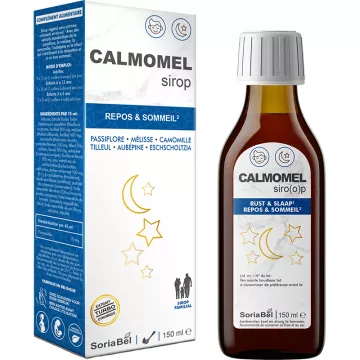
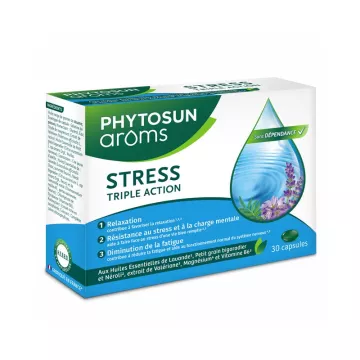
Cannabidiol (CBD, extracted from hemp) exerts a documented anxiolytic effect by modulating the CB1 and CB2 receptors of the endocannabinoid system and the 5-HT1A serotonergic receptors — by reducing amygdala activity and modulating GABAergic neurotransmission, it decreases nighttime anxiety and facilitates falling asleep without residual sedation. “Stress + sleep” formulas (passionflower + valerian + magnesium + L-theanine) offer multimodal approaches tailored to intertwined stress and sleep profiles. Essential oil roll-ons (marjoram + lavender + bergamot in a vegetable oil base) are applied to the temples, solar plexus, and wrists at bedtime—their gradual absorption through the skin provides a mild anxiolytic effect throughout the night. Conscious relaxation after application enhances their effectiveness.
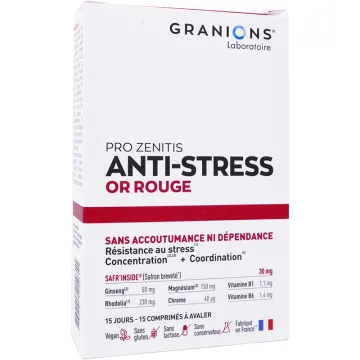
Lactium (hydrolyzed bovine alpha-S1 casein) is a food-derived anxiolytic active ingredient—its bioactive decapeptide binds to GABA-A receptors in a manner similar to benzodiazepines (but without the risk of dependence or sedative effects). Randomized studies confirm a reduction in salivary cortisol and an improvement in sleep profile (shorter sleep latency, fewer nighttime awakenings) with 150–300 mg/day for 4 to 6 weeks. It is often combined with magnesium, melatonin, and sedative herbs in stress and nighttime sleep formulas.
Nocturnal palpitations (a racing heart at bedtime) result from sympathetic hyperactivity—they delay falling asleep and generate additional anxiety (a vicious cycle). Most effective natural approaches: magnesium bisglycinate (400–500 mg at bedtime, cardiac antispasmodic + NMDA modulator), hawthorn (flavonoids + procyanidins, reduces functional palpitations), 4-7-8 breathing (activates the vagus nerve and slows the heart rate in 4-8 cycles). Spasmophilia (neuromuscular hyperexcitability linked to a deficiency in calcium and magnesium) often manifests as intense palpitations, cramps, and nighttime restlessness—it requires specific nutritional correction and medical monitoring.
Five structural habits permanently break the vicious cycle. Moderate physical activity (30–45 min, before 6 p.m.): reduces daytime cortisol by 15–25% and deepens Stage N3 sleep the following night. Strict work shutdown after 8 p.m. (no emails or messaging): Every evening check-in keeps the HHS axis in “alert” mode. Decompression journaling before bed (10 minutes of free-form writing about concerns + gratitude): reduces the time it takes to fall asleep. Cardiac coherence (5 cycles/min, 5 min, ideally 3 times/day, including once at bedtime): normalizes cortisol and restores the sympathetic/parasympathetic balance. Avoid alcohol in the evening (seems sedative but disrupts deep sleep in the second half of the night). These habits are a beneficial replacement for coping strategies. Good sleep develops gradually and sustainably as these habits become part of your daily routine.
Occasional nighttime stress (lasting a few weeks, with an identifiable cause) can be managed using the approaches described above. A medical consultation is necessary when symptoms persist for more than 4–6 weeks despite an optimized lifestyle and properly administered supplementation, or if they are accompanied by the following associated symptoms: regular nighttime palpitations with shortness of breath or chest pain (cardiological evaluation), profuse night sweats with no obvious hormonal cause, rapid weight gain and intense fatigue (thyroid evaluation), episodes of nighttime tremors or muscle spasms (neurological evaluation or blood calcium level assessment). Chronic and disproportionateirritability combined with persistent sleep disturbances may indicate generalized anxiety disorder or the onset of burnout, requiring specialized psychotherapeutic treatment.