What is Phyto'Gem Organic Alcohol-Free Fig Tree Gemmotherapy used for?
Phyto'Gem Organic Alcohol-Free Fig Tree Gemmotherapy is a dietary supplement made from the buds of the fig tree (Ficus carica), a tree in the Moraceae family. It is part of the Phyto'Gem line from Phytofrance, a family-owned company based in Candillargues, near Montpellier, which has been manufacturing plant-based dietary supplements since 1986.
It meets a specific need: to undergo a gemmotherapy treatment with an alcohol-free preparation, in capsules or powder form rather than drops. This is a way to practice gemmotherapy using buds for people who do not wish to consume alcohol, even in small quantities, or who prefer to avoid using a dropper.
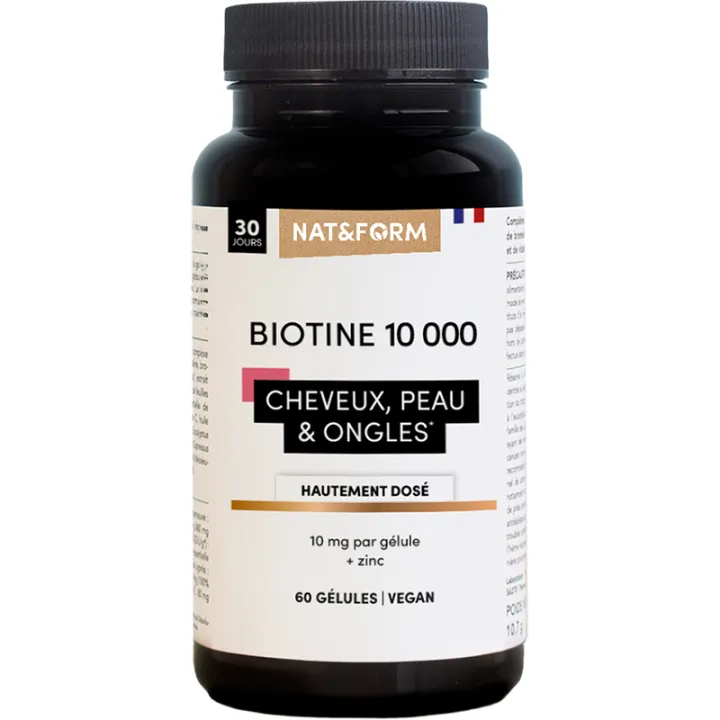
The fig tree bud is one of thetraditionally used budsin gemmotherapy. The two forms offered allow you to choose based on your habits: the capsules slip easily into a bag for days spent away from home, while the powder in a jar is better suited for people who don’t like swallowing capsules.
On a daily basis, the simplest approach is to tie your doses to specific times of the day to ensure you follow the treatment consistently. Also, note the start date in your calendar: this will help you track your progress and allow you to review your results with your pharmacist at the end of the treatment.
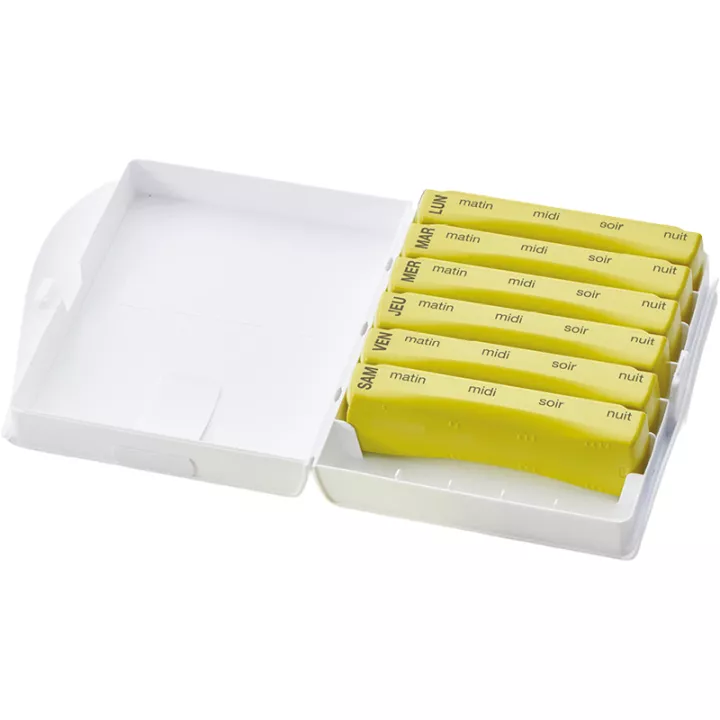
For the capsule version, we recommend the Cooper Pilbox Basic weekly pill organizer with 7 compartments. It doesn’t change anything about the supplement, but it helps organize your week: each compartment is labeled with the day of the week and divided into four sections (morning, noon, evening, and night), allowing you to prepare your capsules in advance and check at a glance that you haven’t missed a dose.
How should you take this fig bud supplement?
Directions for Use
Capsules: 3 capsules per day, to be taken with a large glass of water.
Powder: Mix one level scoop of powder (1.5 g) once a day into a liquid (water, plant-based milk).
Precautions
- Do not exceed the recommended daily dose.
- Dietary supplements should be used as part of a healthy lifestyle and are not a substitute for a varied and balanced diet.
- Pregnancy and breastfeeding: Consult a doctor, midwife, or pharmacist before use. ANSES recommends that pregnant women not take any dietary supplements without consulting a healthcare professional.
- Do not give to a child without consulting a doctor or pharmacist.
- The fig tree contains furocoumarins (psoralen, bergapten), photosensitizing substances that the decree of June 24, 2014, classifies as substances requiring monitoring for this plant. If you have sun-sensitive skin or are undergoing photosensitizing treatment, consult a pharmacist before starting the treatment.
- If you are currently taking medication or have a chronic condition, consult a doctor or pharmacist before starting this treatment.
- Do not use if you have a known allergy to the fig tree or any of the ingredients.
- Do not combine with another product containing fig, such as bud macerate drops, without consulting a pharmacist: the effects are cumulative.
- Store the bottle of capsules or powder tightly closed, under the conditions indicated on the packaging. Keep out of reach of young children.
What is in this fig tree gemmotherapy supplement?
Ingredients
Carob powder* (Ceratonia siliqua) (fruit), Water, Glycerin*, Fig extract* (Ficus carica) (bud).
*Ingredients from organic farming.
Capsules: 100% vegetable capsule (hypromellose) weighing 375 mg.
Packaging
Jar of 90 capsules, enough for 30 days at a dose of 3 capsules per day, or a 50-gram jar of powder with a measuring spoon included, containing 33 doses of approximately 1.5 grams each.
Our expert advice on fig tree buds
With fig tree buds, the most important precaution concerns sun exposure: review the warning about furocoumarins before starting, especially if you’re already taking medication or if your skin burns easily in the sun. The other crucial point is the warning about combining products, which is often overlooked when you already have a bottle of macerate at home.
A bud supplement is not a substitute for a medical consultation. If you experience persistent, recurring, or symptoms accompanied by other signs, consult a doctor before choosing a herbal remedy. And when evaluating a treatment regimen, it’s best to complete the full course rather than using multiple products at the same time.
FAQ
What is the difference between Phyto'Gem Organic Alcohol-Free Fig Tree Gemmotherapy and the Phyto'Gem fig tree macerate I’m familiar with?
The Phyto'Gem fig macerate is a concentrated glycerin macerate made from buds, sold in a 40-ml dropper bottle and containing 18% alcohol by volume. The alcohol-free version comes in a dry form and is not dosed in drops: its dosage varies depending on the form.
Why is my Phyto'Gem Fig Tree classified as gemmotherapy rather than traditional herbal medicine?
Gemmotherapy uses the young, actively growing tissues of the plant: buds, young shoots, rootlets, and young bark. Traditional herbal medicine, on the other hand, tends to use the mature parts of the plant, such as leaves, flowers, fruits, or roots.
Does my Phyto'Gem Fig Tree contain figs or fig tree leaves?
The part of the plant used in the Phyto'Gem line for the fig tree is the bud. The fig tree can be included in dietary supplements in several forms—its false fruit, leaves, buds, or stems—and each part yields a different preparation.