Mental stress is an acute psychological strain resulting from a one-time cognitive or emotional overload—such as a project with a tight deadline, exam season, or a backlog of decisions that must be made simultaneously. Unlike intellectual overwork (a chronic condition that develops over several weeks) or burnout (a long-term, deeply rooted syndrome), intellectual stress is characterized by its momentary intensity and its reactive nature in response to a specific, identifiable demand. It manifests as a feeling of overwhelm, sudden difficulty concentrating, situational anxiety, and sometimes temporary sleep disturbances. If managed well, it can be quickly reversed once the pressure subsides—but if mismanaged and repeated frequently, it can develop into a more long-lasting state of mental exhaustion.
The most common causes include high, one-time professional demands, periods of intensive study, the accumulation of family and personal responsibilities, and the need to perform immediately under time pressure. Ineffective time management and a lack of restorative breaks significantly amplify its intensity. Several practical techniques can help reduce mental stress directly in the workplace:
Mindfulness is one of the most well-documented techniques for combating occasional mental stress: focusing on the present moment and observing your thoughts without judgment reduces the tendency to dwell on past or future deadlines. A few minutes of mindful breathing before a demanding task are often enough to restore mental clarity.
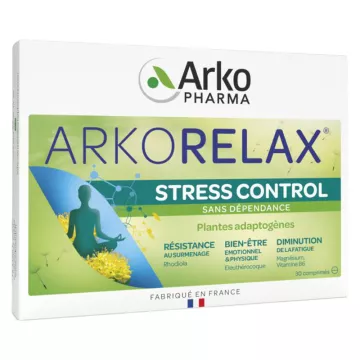
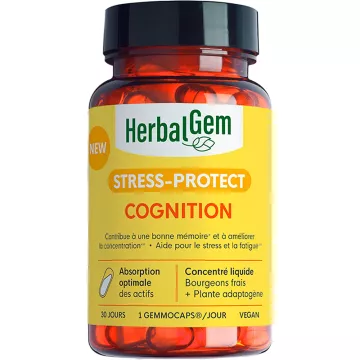
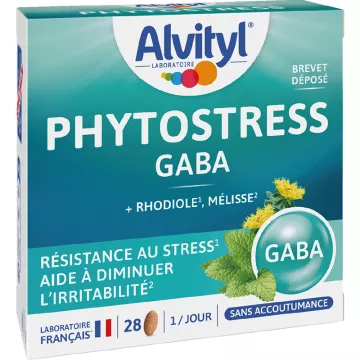
In terms of herbal medicine, ginseng (Panax ginseng—standardized ginsenosides) is the gold standard adaptogen for supporting mental endurance during periods of intense cognitive demand—it is contraindicated in cases of uncontrolled hypertension, pregnancy, or severe insomnia, and is not recommended for evening use due to its stimulating effect. Rhodiola (rosavins and salidroside) reduces cognitive fatigue and improves resistance to acute mental stress—to be taken in the morning; contraindicated in cases of bipolar disorder. In aromatherapy,lavender essential oil (linalool), when inhaled directly for a few minutes, quickly soothes nervous tension associated with a spike in intellectual stress.
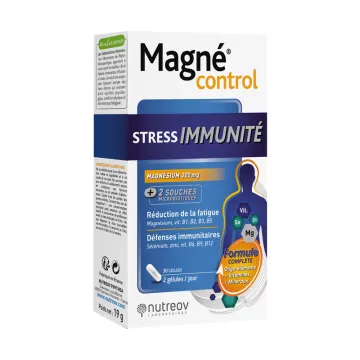
Nutritionally, magnesium bisglycinate (300 mg/day) reduces nervous hyperexcitability, which amplifies feelings of overwhelm, while omega-3 EPA and DHA support optimal long-term brain function. Quality sleep remains the cornerstone of mental recovery—prioritize a regular sleep routine even during periods of heavy cognitive load, as it is during sleep that the brain consolidates what it has learned and restores its attentional resources for the next day.