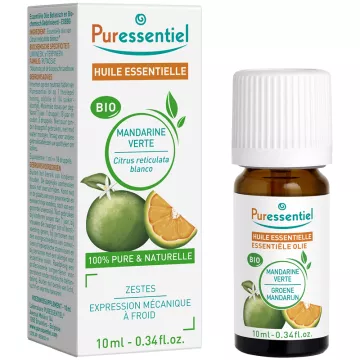
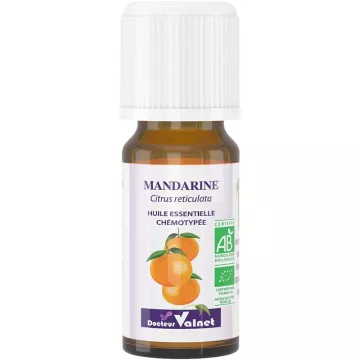
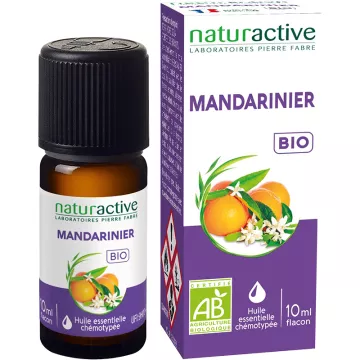
Mandarin essential oil (Citrus reticulata, cold-pressed peel) stands out from other citrus essential oils due to its mildness and calming properties. Its composition is dominated by limonene (87–95%), supplemented by gamma-terpinene (5–8%) and traces of alpha-terpineol. Green mandarin (harvested before full ripeness) contains traces of methyl anthranilate—a nitrogen-containing compound that exerts a mildly inhibitory effect on the central nervous system, a property absent in other essential oils from ripe citrus fruits. Compared to sweet orange (invigorating and festive), mandarin is calmer and more enveloping. Compared to bergamot (anxiolytic but highly photosensitizing), mandarin is much safer for topical application. Lemon balm (Melissa officinalis, geranial + neral) is the essential oil with sedative and anxiolytic properties most similar to those of mandarin—the two are often combined in aromatherapy for sleep.
Mandarin is the go-to aromatherapeutic citrus oil for promoting sleep onset and light relaxation. Inhaling limonene activates the limbic olfactory pathways and exerts a parasympathomimetic effect (slowing the heart rate, reducing cortisol). Methyl anthranilate in green mandarin slightly inhibits the arousal system. The sweet, warm aroma of mandarin is intrinsically linked to comforting childhood memories (conditioned anxiolytic effect). To promote sleep, diffuse 5–6 drops of green mandarin essential oil for 20–30 minutes in the bedroom, 1 hour before bedtime. Ylang-ylang (linalool and acetate esters) is the floral essential oil most commonly paired with mandarin for sleep synergies—its sedative profile complements the effect of limonene.
Mandarin essential oil is one of the safest essential oils for sensitive populations. For children: safe for use starting at 3 months of age via atmospheric diffusion (maximum 20 minutes, in a well-ventilated room); safe for topical application starting at age 6 when diluted to 1–2% in a carrier oil. Its composition, free of phenols, ketones, and dermocaustic aldehydes, makes it a very gentle essential oil. For pregnant women: it is safe for diffusion starting in the second trimester—the absence of emmenagogue or uterotonic properties sets it apart from many essential oils that are contraindicated during pregnancy. Rose (floral water or essential oil) is a very gentle floral alternative for pregnant women and children.
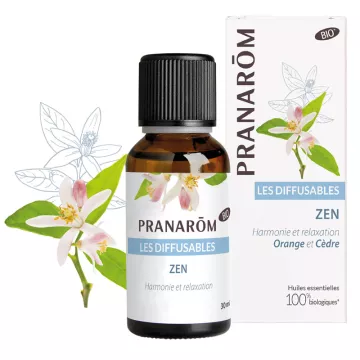
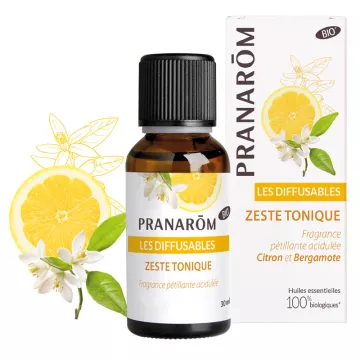
Mandarin is a versatile essential oil for diffusion—its sweet, warm aroma naturally creates soothing atmospheres. Some effective blends:
When applied to the skin diluted to 1–2% in a carrier oil (jojoba, rosehip), mandarin is used for its mildly astringent and sebum-regulating properties on oily areas of the face. It is also used for its mild anti-wrinkle action (limonene improves skin elasticity) and its fruity aroma in body care products. The risk of photosensitization is very low, but as a precaution, avoid sun exposure for 6 hours after topical application. Jasmine (benzyl acetate + linalool) is the floral active ingredient most commonly paired with mandarin in luxury skincare products—for moisturizing body care and natural citrus-floral fragrances.