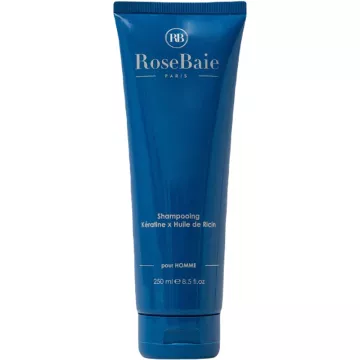
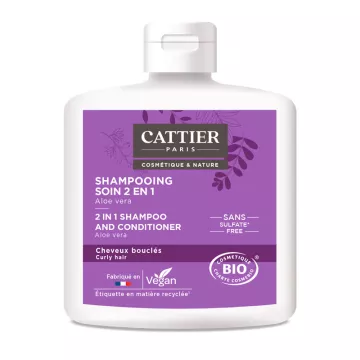
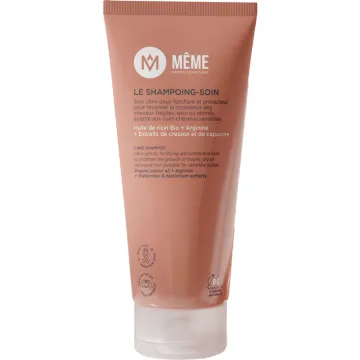
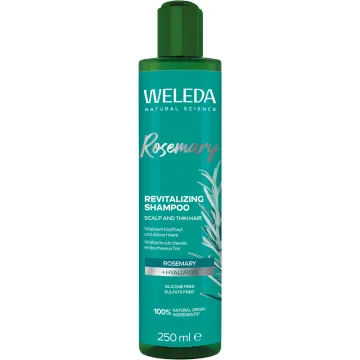
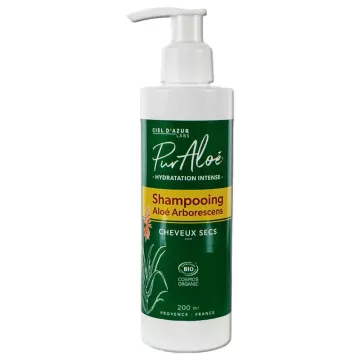
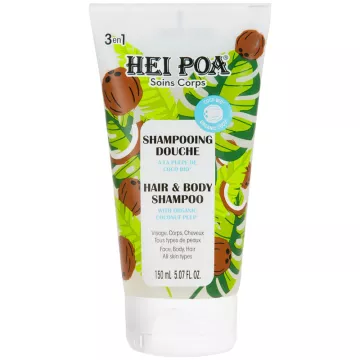
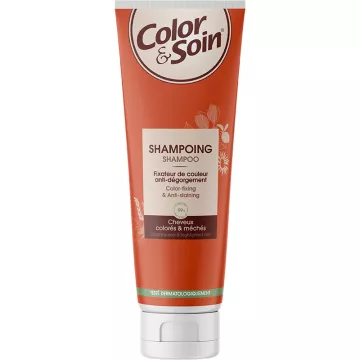
A natural shampoo is formulated with ingredients of natural origin and is free of controversial ingredients such as harsh sulfates, parabens, or silicones. It relies on plant extracts, vegetable oils, and mild surfactants to cleanse and nourish the hair. Unlike conventional shampoos, it preserves the scalp’s natural balance, reducing the risk of dryness and irritation over time. Similar to organic shampoo, it differs in that it does not require mandatory organic certification. It fits into a gentle hair care routine, replacing conventional shampoo—ideally complemented by a solid shampoo for an eco-friendly approach.
Natural shampoo offers several benefits:
It’s particularly suitable for people looking for a gentle shampoo that’s gentle on their scalp and hair.
The distinction between natural shampoo and organic shampoo lies in certification. A natural shampoo is made with ingredients of natural origin but is not necessarily certified organic: since the term “natural” is not strictly regulated, caution is advised. An organic shampoo must contain a minimum percentage of ingredients derived from organic farming and comply with certification standards (Ecocert, Cosmebio, Cosmos Organic), which guarantee the origin and purity of the ingredients. Organic certification therefore offers an additional guarantee and independent oversight. To ensure the quality of a non-certified natural shampoo, it’s essential to carefully read the INCI list: this allows you to verify the true naturalness of the ingredients and ensure there are no hidden controversial components.
Choose a natural shampoo based on your hair’s needs. For dry hair, opt for formulas with nourishing oils such asargan oil, coconut oil, or shea butter. For oily hair, choose light, purifying formulas with clay, green tea, or peppermint. For color-treated hair, look for products with protective agents like grape seed oil. For sensitive scalps, choose soothing formulas with chamomile,aloe vera, or oats. Reading labels and understanding the properties of ingredients helps you maximize the benefits based on your hair type.
Even in products labeled “natural,” certain ingredients warrant caution. Sulfates (SLS, SLES) are powerful foaming agents that can dry out the hair and irritate the scalp. Silicones add shine but create buildup that weighs hair down and can block active ingredients. Synthetic dyes and fragrances are often unnecessary and can sometimes be irritating. The presence of these components in a so-called “natural” product may indicate greenwashing. Reading the INCI list helps you identify these ingredients: the shorter and more straightforward the list, the better. Opting for mild, plant-based surfactants and proven active ingredients ensures a product that is truly gentle on your hair and scalp.
Switching from a conventional shampoo to a natural one requires an adjustment period of a few days to a few weeks. During this phase, the scalp—which is accustomed to silicones and sulfates—adjusts to their absence and gradually rebalances its sebum production. Your hair may temporarily appear greasier or duller while the accumulated silicone residue is washed away. This transition is normal: avoid switching back to conventional products too quickly, or you’ll have to start the cycle over. Wetting the hair thoroughly, applying a small amount, massaging the scalp with your fingertips, and rinsing thoroughly will optimize cleansing. A vinegar rinse can help make detangling easier during the transition period. Patience is rewarded with hair that is healthier in the long run.
Natural shampoos are generally safe for children, provided you check that they do not contain strong essential oils or ingredients that could irritate their sensitive scalps; a specific baby shampoo is still preferable for very young children, and a patch test should be performed beforehand. For specific concerns, certain natural shampoos provide relief:tea tree, clay, and zinc for dandruff-prone scalps; chamomile, aloe vera, and calendula for dry and irritated scalps; clay and charcoal for oily hair. These treatments are purely cosmetic: for a persistent problem, consult a healthcare professional.
Natural shampoos often have a shorter shelf life than conventional ones due to the absence or reduced use of chemical preservatives: generally 6 to 12 months after opening. Store them away from light and heat, and monitor for any changes in smell or texture. Environmentally speaking, they are often more sustainable: biodegradable ingredients that break down easily, recyclable or biodegradable packaging, and more sustainable manufacturing processes. However, some people may experience allergic reactions to natural ingredients, particularly essential oils: a patch test before first use is recommended. If persistent itching or redness occurs, discontinue use. When chosen and stored properly, natural shampoo is gentle on both your hair and the planet.