What is cellular aging?
Cellular aging is the progressive biological process by which cells lose their ability to function and renew themselves optimally. Characteristics:
- A universal and progressive phenomenon affecting all tissues in the body
- Cellular mechanisms involved: telomere shortening, accumulation of DNA damage, cellular senescence, mitochondrial dysfunction
- Oxidative stress: an imbalance between free radicals and antioxidant defenses
- Chronic low-grade inflammation (“inflammaging”)
- Can be modulated through lifestyle, diet, and the environment
- Genetically programmedintrinsic aging
- Extrinsic aging linked to environmental factors (UV radiation, pollution, tobacco, stress)
Understanding these mechanisms allows us to adopt appropriate preventive strategies. For overall aging and the signs of aging, additional resources are available to support you.
What are the main causes of cellular aging?
Several factors accelerate or influence the process:
- Oxidative stress: an excess of free radicals that overwhelms the body’s antioxidant defenses
- Chronic low-gradeinflammation
- Cumulative DNA damage
- UV exposure: a major extrinsic factor in photoaging
- Air pollution: fine particulate matter, ozone, heavy metals
- Active and passivesmoking (Tobacco Info Service: 3989)
- Excessive alcohol consumption
- Unbalanced diet: excess simple sugars (glycation), ultra-processed foods, antioxidant deficiencies
- Sedentary lifestyle and low levels of physical activity
- Insufficient or poor-qualitysleep
- Chronic stress and prolonged elevated cortisol levels
- Nutritional deficiencies (vitamins, trace minerals, antioxidants)
- Genetic factors and individual predispositions
- Chronic conditions (diabetes, obesity, cardiovascular disorders)
Identifying modifiable factors guides a personalized prevention strategy.
What are the impacts on overall health?
Cellular aging affects several functions:
- Immune functions: immunosenescence, increased vulnerability to infections
- Risk of chronic diseases: cardiovascular, neurodegenerative, metabolic, and oncological
- Bone density: progressive osteopenia and osteoporosis
- Muscle mass: age-related sarcopenia
- Cognitive functions: slowed processing, reduced short-term memory
- Energy metabolism: slowed basal metabolic rate
- Hormone production: changes (menopause, andropause)
- Cardiovascular function: arterial stiffness, hypertension
- Skin quality: wrinkles, loss of elasticity, capillary fragility
- Vision and hearing: presbyopia, age-related hearing loss
- Slowed woundhealing
- Slower physical and mentalrecovery
Early and comprehensive prevention provides cumulative benefits over decades. Regular medical follow-up remains essential to tailor advice to your specific situation.
How does diet affect cells?
Diet has a direct effect on cellular metabolism:
- Colorful fruits and vegetables: 5 servings per day for a variety of vitamins and antioxidants
- Berries (blueberries, raspberries, blackberries, pomegranate): powerful polyphenols
- Green vegetables (spinach, broccoli, kale, lamb’s lettuce): folate, vitamin K
- Carotenoids (carrots, sweet potatoes, tomatoes, apricots, mangoes): antioxidant protection
- Fatty fish twice a week (salmon, sardines, mackerel): omega-3 EPA and DHA
- Nuts and seeds (walnuts, almonds, flaxseeds): vitamin E, essential fatty acids
- Avocado, olive oil, and canola oil: high-quality fats
- High-quality protein (eggs, fish, lean meats, legumes): structural amino acids
- Green tea: specific antioxidants (catechins)
- Unsweetened cocoa in moderation: flavonoids
- Turmeric in cooking: documented antioxidant properties
- Legumes and whole grains: fiber, micronutrients, moderate glycemic load
- Hydration: 1.5 to 2 L of water per day
- Limit simple sugars (cellular glycation = a factor in aging)
- Limit ultra-processed foods, salt, and alcohol
Our natural antioxidants section offers supplements to support your diet in cases of insufficient intake.
What role does physical activity play?
Regular physical activity provides significant cellular benefits:
- Stimulation of endogenousantioxidant defenses
- Reduces low-grade chronicinflammation
- Improved mitochondrial function (mitochondrial biogenesis)
- Promotescell renewal and autophagy
- Maintenance of muscle mass and reduction of sarcopenia
- Preservation of bone density (weight-bearing exercise)
- Cardiovascular health and tissue microcirculation
- Hormonal and metabolic regulation
- Improved sleep quality
- Stress management and endorphin release
- Preservation of cognitive function
- Documentedpositive epigenetic effect on gene expression
WHO Recommendations: 150 minutes of moderate-intensity activity per week (brisk walking, cycling, swimming) or 75 minutes of vigorous-intensity activity, supplemented by strength training twice a week. Adjust the intensity to your individual abilities, in consultation with your primary care physician if you have chronic conditions.
Can cellular aging be slowed down?
Aging is not reversible, but it is largely modifiable:
- Early preventive strategies: take action starting in your thirties to maximize the benefits
- Strict dailysun protection with SPF 30 to 50+ (the most powerful and least expensive factor)
- A balanced diet rich in antioxidants and omega-3s
- Regular physical activity (150 min/week, WHO recommendation)
- Quality sleep: 7–9 hours per night
- Chronicstress management
- Avoiding tobacco and limiting alcohol
- Regular oralhydration
- Active social life and cognitive stimulation
- A tailored skincare routine starting at age 25–30
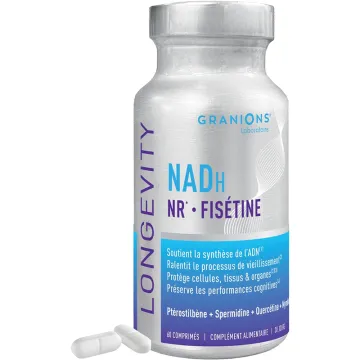
- Targeted dietary supplements as recommended by a pharmacist, if needed
- Regular medical checkups and age-appropriate screenings
- Limiting exposure to toxins (pollution, endocrine disruptors if possible)
Consistently implementing these strategies over the long term yields the most visible results. It’s never too late to adopt these habits, but starting early maximizes the cumulative benefits.
Which supplements support cell health?
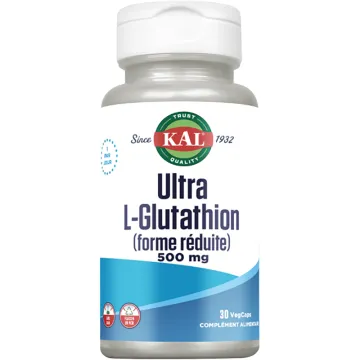
As advised by a pharmacist, certain supplements can support cellular metabolism:
- Vitamin C: an antioxidant that contributes to normal collagen metabolism
- Vitamin E: protects against oxidative stress
- Selenium: cellular protection
- Zinc: supports healthy skin and immune function
- Omega-3 EPA-DHA: supports cellular function and has anti-inflammatory effects
- Vitamin D: supports bone and immune health (deficiency is common in winter)
- Coenzyme Q10: mitochondrial function
- Resveratrol: plant-based antioxidant
- Astaxanthin: powerful carotenoid
- Green tea polyphenol extract
- Hydrolyzed collagen or marine collagen as a 2- to 3-month treatment
- Probiotics: balance of the gut microbiota
- Magnesium for fatigue or stress
- Vitamin B12 in cases of documented deficiency
A personalized assessment by your primary care physician and your licensed pharmacist remains essential. No routine supplementation without a medical indication provides any additional benefit beyond a balanced diet.
What is the impact of chronic stress?
Chronic stress significantly accelerates cellular aging:
- Prolonged elevation of cortisol: disruption of cellular metabolism
- Increased production of free radicals
- Persistent low-gradechronic inflammation
- Telomere shortening documented in certain studies
- Impaired sleep and nocturnal regeneration
- Weakened immune system
- Compensatory behaviors (diet, alcohol, tobacco, sedentary lifestyle)
- Muscle tension and chronic pain
- Impact on skin microcirculation: dull complexion, compromised skin
Recommended approaches:
- Cardiac coherence: 3 times a day, 5 minutes, 6 breaths per minute
- Meditation, yoga, sophrology, tai chi
- Regular physical activity
- Meaningfulsocial connections
- Walks in nature, exposure to natural light
- Creative hobbies and enjoyable activities
- Adaptogenic herbs as recommended by a pharmacist (Rhodiola, Ashwagandha)
- Psychological or therapeuticsupport if necessary
Managing chronic stress remains one of the key factors in ensuring healthy aging.
What are the signs of premature aging?
Several symptoms may indicate accelerated aging:
- Chronic fatigue and an unusual drop in energy
- Slow recovery after physical exertion or illness
- Dull skin, marked dryness, and premature loss of radiance
- Premature appearance of wrinkles and loss of firmness
- Prematuregraying or hair loss
- Unusualjoint pain
- Decline inmemory and concentration
- Increased susceptibility to infections
- Slow healing
- Persistentmood changes or sleep disturbances
- Visibleloss of muscle mass
- Unexpectedweight fluctuations or physical changes
If these signs are present, a medical consultation is recommended for:
- Comprehensive blood work (iron, vitamin D, vitamin B12, thyroid, blood sugar, lipids)
- Assessment of cardiovascular and metabolicrisk factors
- Screening for underlyingconditions
- Assessment of nutritional status
- Tailoring lifestyle and dietaryrecommendations, as well as complementary therapies
Your primary care physician remains your first point of contact for these evaluations.
What skincare routine should you follow?
A consistent routine supports skin health and minimizes visible signs of aging:
In the morning:
- Gently cleanse your face
- Antioxidant serum (vitamin C, vitamin E, polyphenols)
- Moisturizer suited to your skin type
- Specificeye contour treatment
- SPF 30 to 50+ sunscreen is essential as the final step
In the evening:
- Thorough makeup removal
- Follow witha gentle cleanse
- Targeted serum (cosmetic retinol, peptides, or hyaluronic acid, depending on the night)
- Nourishing night cream without SPF
- Specificeye contour treatment
- Finishingplant-based oil for dry skin
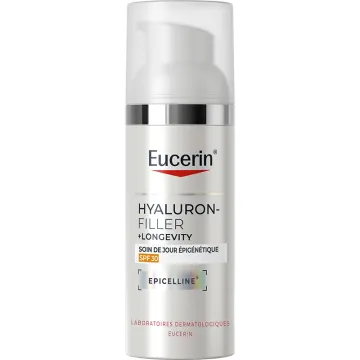
Weekly: gentle exfoliation 1–2 times, suitable mask 1–2 times. Our anti-aging skincare section at the pharmacy offers dermocosmetic products. For a comprehensive strategy, see also skin photoaging.
Cellular aging is a natural and inevitable process, but one that can be significantly influenced by a holistic approach combining nutrition, physical activity, stress management, quality sleep, appropriate skincare, and regular medical check-ups. Your licensed pharmacist remains a valuable local resource to guide your choices over the years and coordinate certain aspects of your health with your primary care physician.