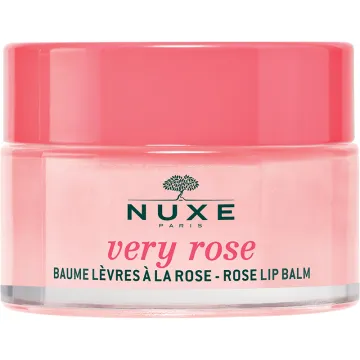
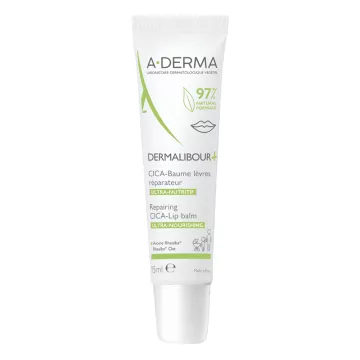
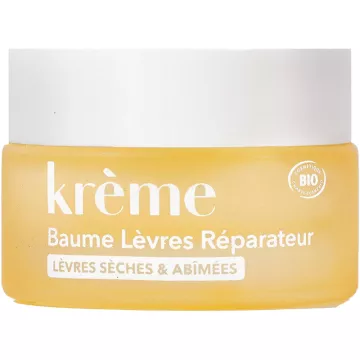
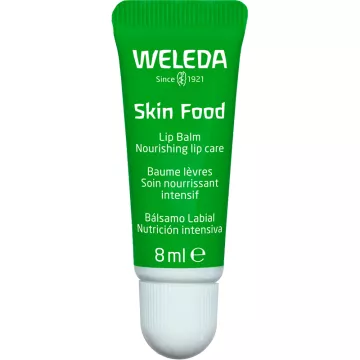
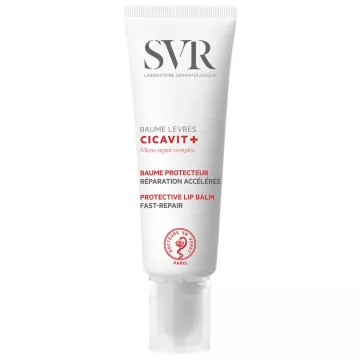
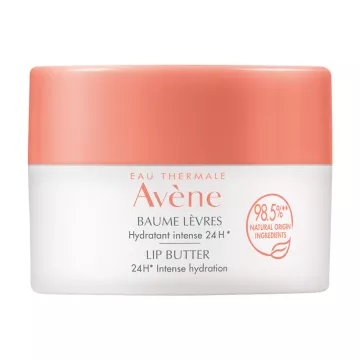
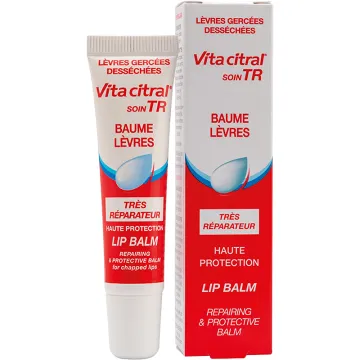
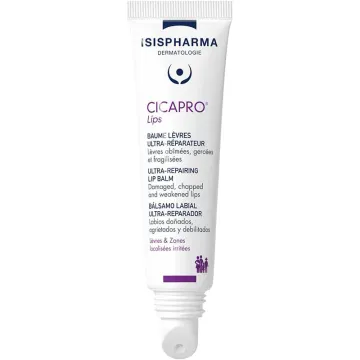
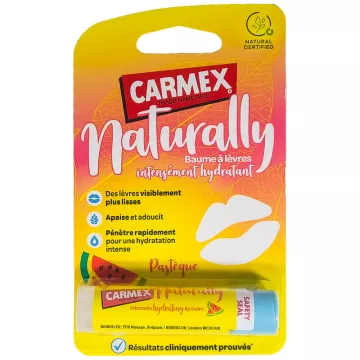
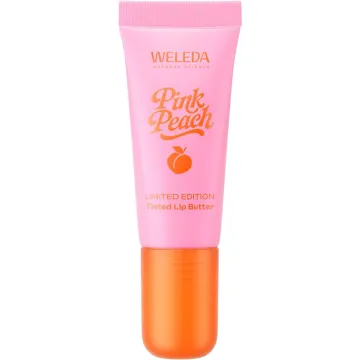
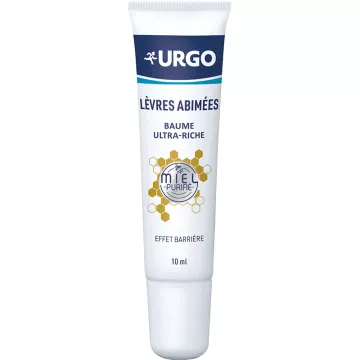
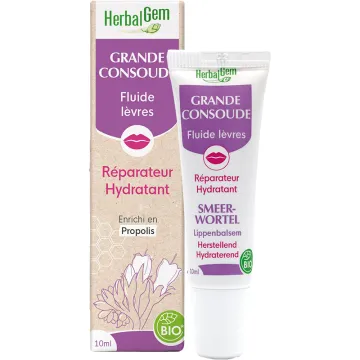
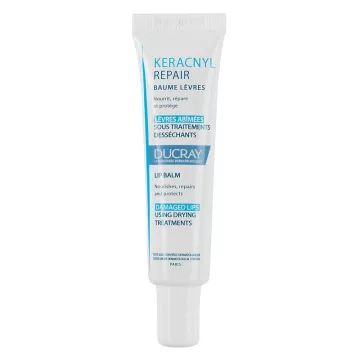
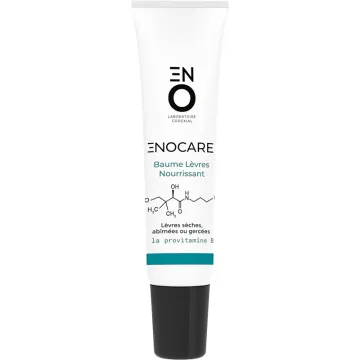
Lip balm is one of the simplest and most effective ways to keep your lips feeling comfortable every day. Its waxy texture, rich in plant-based waxes, butters, and oils, forms an occlusive film on the lips that locks in moisture and creates a protective barrier against cold, wind, and dry air. Soin et Nature offers a selection of moisturizing, nourishing, and reparative lip balms, chosen for the quality of their ingredients and recommended by your pharmacist—clean formulas, free of unnecessary allergens, and suitable for dry, sensitive lips and atopic skin.
More detailsA lip balm serves three complementary functions: it acts as an occlusive, moisturizes, and nourishes. Waxes (beeswax, carnauba wax, vegetable wax) form an occlusive film that prevents the evaporation of skin moisture—this is the primary mechanism against tightness and dryness. Plant-based butters and oils (shea butter, cocoa butter, jojoba oil, castor oil) provide nourishing lipids that restore the lips’ suppleness. Some balms also contain soothing or healing agents (propolis, honey, panthenol, thermal water) for chapped or severely damaged lips.
Unlike lipstick or gloss, which are primarily cosmetic products, lip balm is a true skincare product: its formula is designed for effectiveness rather than color or staying power. It’s the essential everyday item to slip into your makeup bag, purse, pocket, or nightstand, for repeated application throughout the day.
This is the versatile option, suitable for preventive care or for simply hydrating dry lips. Its formula, which is generally light and melt-in, moisturizes without feeling sticky. It’s suitable for the whole family and can be used in the morning, at noon, and at night.
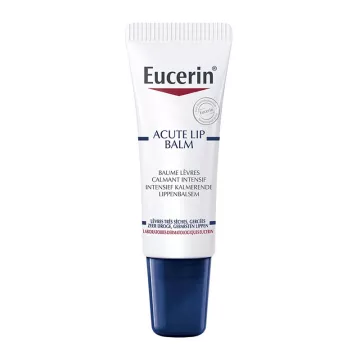
Richer in emollients (concentrated plant butters, precious oils), it restores comfort to lips that feel tight, are peeling, or show fine lines caused by dehydration. Ideal for cold weather and skin that needs sustained lipid replenishment.
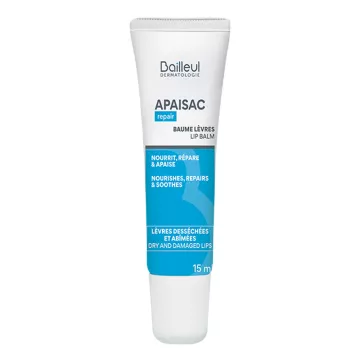
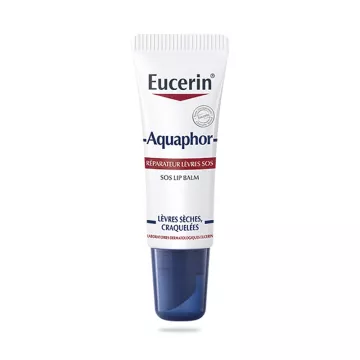
Formulated with targeted repairing active ingredients (cold cream, sucralfate, thermal water, panthenol, allantoin), it accelerates the healing of chapped lips and micro-cracks. Ideal for applying a thick layer at bedtime, like a night mask, on severely damaged lips.
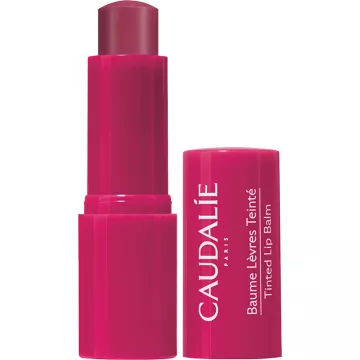
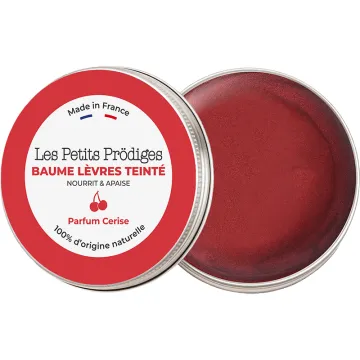
It combines skincare with cosmetic benefits: the nourishing base of a classic balm enriched with natural pigments that deliver a buildable tint, without the dryness often associated with matte lipsticks. A simple alternative for those who want a “healthy glow” without sacrificing hydration.
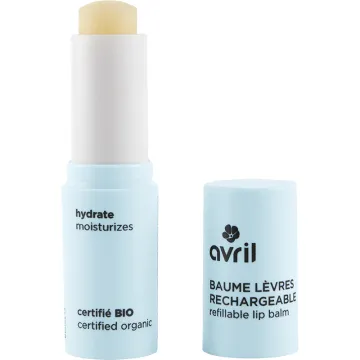
Formulated to strict standards (organic plant oils and butters, natural waxes, free of petrolatum, paraffin, and synthetic fragrances), organic lip balm is designed for people who care about the origin of ingredients or the environmental footprint of their cosmetics. Many are also vegan, cruelty-free, and certified by Cosmos Organic or Ecocert.
Not all lip balms are created equal. Some ingredients provide an immediate pleasant sensation but can aggravate existing irritation or have allergenic potential. Avoid on already damaged lips:
A simple moisturizing balm made with beeswax and shea butter, applied morning and night, is sufficient to maintain lip comfort and prevent dryness, especially during transitional seasons.
Opt for a richer, nourishing balm that contains several plant-based butters and at least one precious oil. Apply once or several times a day depending on discomfort, and apply a thick layer at bedtime to take advantage of nighttime regeneration.
Opt for a reparative balm formulated with recognized healing ingredients (panthenol, allantoin, thermal water, sucralfate). Be sure to avoid formulas containing menthol, camphor, or strong fragrances, as these can delay healing.
Choose a hypoallergenic, fragrance-free balm with a short ingredient list, ideally dermatologically tested. Organic balms with simple formulations (3 to 5 ingredients) are often a good option for sensitized skin.
Opt for a minimalist formula free of essential oils, salicylic acid, and fragrance, made with beeswax and plant-based butters. The general rule: the shorter the ingredient list, the better. Lip balms for babies and children are specifically formulated with this in mind.
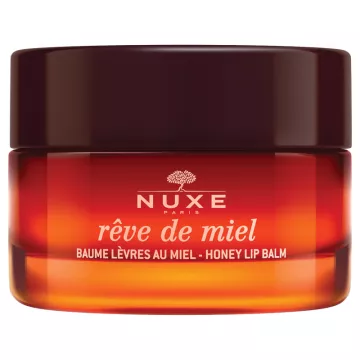
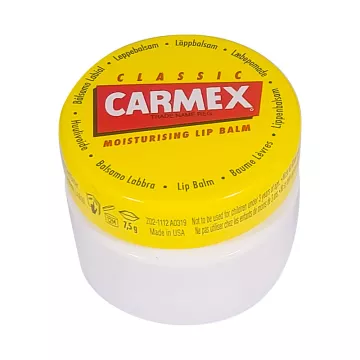
Lip balms come in several forms. The jar allows for a rich formulation and generous application, but requires application with your finger—which isn’t always practical on the go and can lead to contamination. The applicator tube combines hygiene with precision. The compact stick format, which fits anywhere, remains the most popular choice for on-the-go touch-ups. The choice depends above all on your lifestyle and routine.
With eighteen years of experience in the pharmacy, I always recommend reading the INCI list before buying a lip balm. A product marketed as “natural” without clear labeling—or one whose first ingredients are petrochemical derivatives with no nourishing active ingredients listed afterward—is not a good investment, even at a low price. Conversely, a simple balm that’s transparent about its composition—with plant-based waxes and butters listed near the top of the INCI list—is better than a complex formula loaded with marketing claims.
Finally, a word about the myth of lip balm addiction: no, regular application of a well-formulated balm does not make your lips “addicted.” If your lips seem to constantly crave more, it’s actually a sign of an unsuitable formula (often occlusive and lacking nourishing active ingredients), a very drying environment, or an underlying cause that needs to be investigated.
To explore all the options in our section, check out the lip care section, which features all our products dedicated to lip comfort—from everyday use to the most demanding situations.