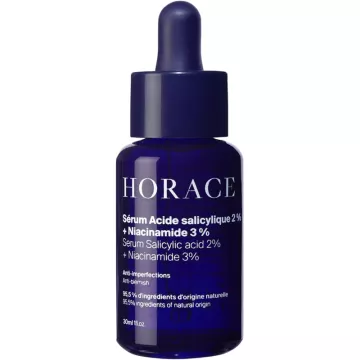
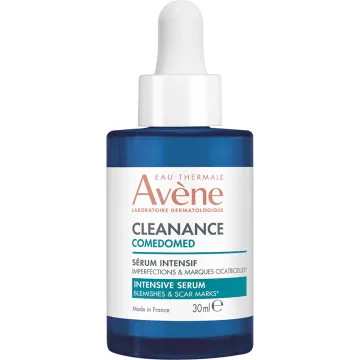
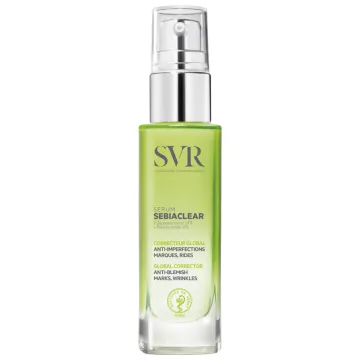
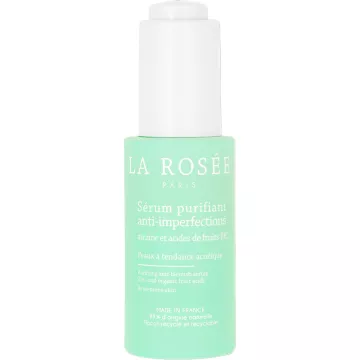
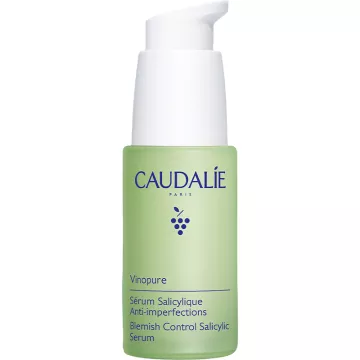
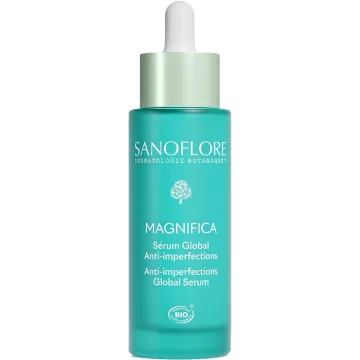
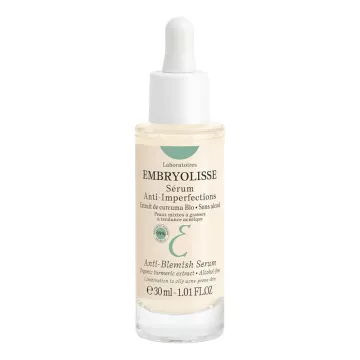
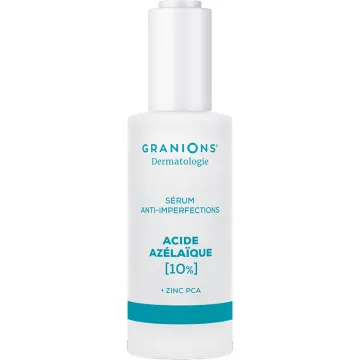
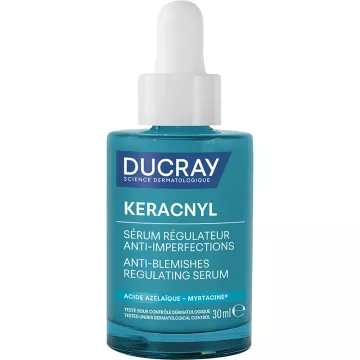
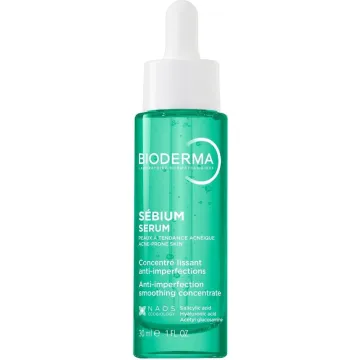
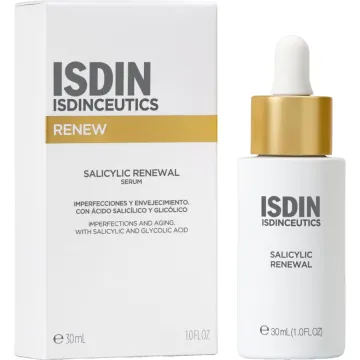
Recurring breakouts, visible pores, midday shine, or post-breakout marks? An anti-breakout serum is a concentrated skincare product designed to support combination to oily skin, acne-prone skin, and uneven complexions. At Soin-et-Nature, we’ve selected facial serums formulated with targeted active ingredients such as niacinamide, zinc,salicylic acid, AHAs, BHAs, and soothing ingredients to help the skin regain a clearer, smoother, and more balanced appearance.
More details
The right anti-blemish facial serum depends mainly on your skin type and the nature of your blemishes. Oily skin that tends to shine easily has different needs than sensitive skin with a few localized pimples. The goal isn’t to strip the skin, but to help it regain its balance—much like fine-tuning a thermostat: if you’re too harsh, the skin defends itself by producing even more sebum.
If your skin gets shiny quickly, especially in the T-zone, opt for a sebum-regulating serum containing zinc, niacinamide, or purifying active ingredients. These formulas help minimize shine, visibly refine skin texture, and reduce the appearance of enlarged pores. They integrate very well into a routine that includes a mattifying facial treatment.
If you have pimples, blackheads, or pores that seem clogged, serums containingsalicylic acid, BHAs, AHAs, or PHAs can help smooth skin texture and promote the removal of dead skin cells. However, these exfoliating ingredients should be introduced gradually, especially if you have sensitive or reactive skin.
After a blemish, the skin may be left with a small red, brown, or purplish mark. To improve the appearance of an uneven complexion, you can try a serum containing niacinamide, vitamin C, gentle acids, or certain skin-evening ingredients. If your main concern is established dark spots, we also recommend checking out our selection of anti-dark spot serums.
An anti-blemish serum available at pharmacies stands out for its lightweight texture and high concentration of active ingredients. It’s applied under your moisturizer to precisely target the needs of skin prone to breakouts, oiliness, or visible pores.
To get the most out of your purifying facial serum, apply it to clean, dry skin before your moisturizer. A simple, consistent routine is often better than piling on too many potent products.
A serum containing exfoliating acids is often used in the evening, starting with a few times a week. If you experience persistent stinging, significant redness, or discomfort, space out your applications and ask your pharmacist for advice.
An anti-blemish serum primarily targets pimples, enlarged pores, blackheads, excess sebum, and uneven skin texture. It should not be confused with a medical acne treatment or with a product intended solely for treating hyperpigmentation.
For a more comprehensive routine, you can pair your serum with complementary products based on your needs:
Buying your anti-blemish serum from an online pharmacy means you can choose from dermocosmetic formulas tailored to demanding skin types: oily, combination, sensitive, reactive, or acne-prone skin. At Soin-et-Nature, our selection features targeted treatments designed to help purify the skin without unnecessarily compromising its health.
Are you torn between a niacinamide serum, a zinc-based treatment, a salicylic acid concentrate, or a more soothing formula? Our pharmacists and dermocosmetic consultants can guide you toward a cohesive skincare routine based on your skin type, habits, and the products you’re already using.
For oily skin, opt for a lightweight, non-greasy anti-blemish serum with active ingredients like zinc, niacinamide, orsalicylic acid. These ingredients are often used in products designed to address shine, visible pores, and localized blemishes.
It depends on the formula. A gentle niacinamide serum can often be used daily, while an exfoliating serum containing AHAs, BHAs, or PHAs should be introduced gradually. Start with a few applications per week, then adjust based on how well your skin tolerates it.
The serum is generally applied after cleansing your face and before moisturizer. Its lightweight texture allows the active ingredients to spread evenly over the skin, while the moisturizer then provides comfort, hydration, and protection.
No, the serum and moisturizer don’t serve exactly the same purpose. The serum targets a specific concern, such as breakouts, enlarged pores, or excess oil. The moisturizer helps maintain skin comfort and support the skin’s barrier.
For post-breakout marks, look for active ingredients like niacinamide, vitamin C, gentle exfoliating acids, or certain skin-evening ingredients. If the marks are mostly brown and persistent, a dark spot-correcting serum may be more suitable.
If you have numerous, painful, or inflamed breakouts, if they leave scars, or if they persist despite a suitable skincare routine, it’s best to consult a pharmacist or dermatologist. Cosmetics can complement your skincare routine, but they are no substitute for medical treatment when acne is severe.