Thermotherapy, or heat therapy, is a non-pharmacological physical approach that involves applying a heat source to a specific area of the body to promote muscle and joint comfort. Known since ancient times (Roman baths, Turkish baths, mud baths), it now relies on simple everyday devices as well as professional techniques used in physical therapy.
Locally applied heat increases blood flow to the superficial tissues, helps relax tight muscle fibers, and temporarily reduces pain sensitivity. It is this combination of effects that makes it a useful adjunct to the management of mild muscle and joint pain.
Upon contact with a heat source, the skin and underlying tissues undergo local vasodilation: small blood vessels dilate, increasing blood flow and oxygenation to the area. This physiological response is accompanied by a decrease in collagen viscosity, which explains why stiff joints temporarily regain some flexibility after heat application.
In terms of muscles, heat reduces the baseline tone of muscle fibers, which helps release muscle tension and prepare the muscle for stretching or movement. This is why physical therapists and athletes often incorporate a heat phase before manual therapy or mobilization, in addition to massage oils and manual techniques.
Thermotherapy encompasses several devices and techniques, classified according to the method of heat transfer (conduction, convection, radiation) and the targeted depth.
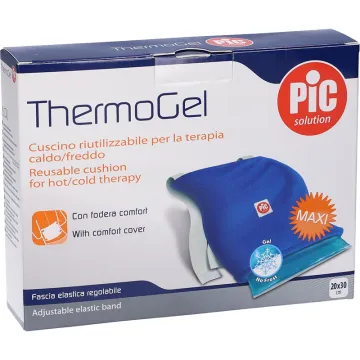
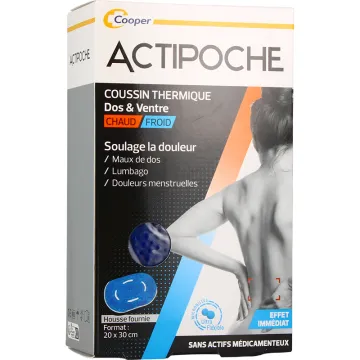
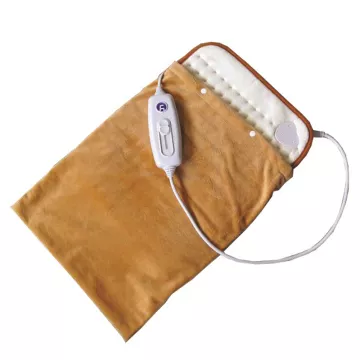
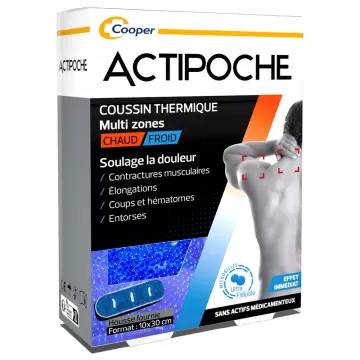
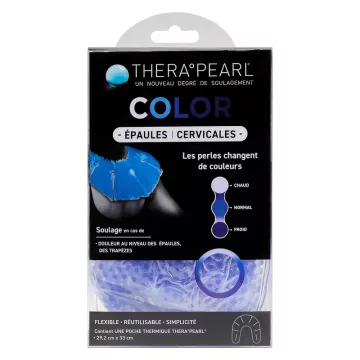
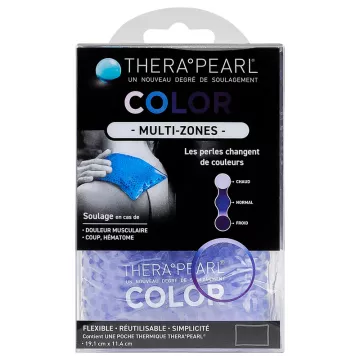
Heating pads and hot water bottles transmit heat by conduction through the skin and remain the most accessible everyday solutions; they fall under the heating pad category. Heated compresses allow for precise application to a localized area, within the heated compresses range. Self-adhesive heating patches provide prolonged heat for several hours and are worn under clothing, such as the products in the heating patch category. Hot baths, through immersion, affect the entire body via convection. Paraffin or hot wax wraps are applied to the extremities (hands, feet) in specialized treatments. Finally, ultrasound thermotherapy, which is reserved for physical therapists, reaches deeper tissues via a medical transducer.
Heat is traditionally used to support certain mild and chronic musculoskeletal conditions, as a complement to medical care when necessary.
It is particularly recommended for relief in cases of back pain and chronic mechanical low back pain, tension-type neck pain,osteoarthritis (outside of inflammatory flare-ups), post-exercise muscle soreness, muscle cramps, and morning joint stiffness. Activearthritis and acute inflammatory phases (swelling, redness, localized heat) are not indications for heat therapy: these conditions require cold therapy and medical consultation.
Proper application is essential for the effectiveness and safety of thermotherapy. Contact burns, which are common, remain the most frequent and preventable side effect.
The recommended protocol consists of four steps: choose a device suitable for the area and duration of application; place a cloth or towel between the heat source and the skin to prevent contact burns; maintain the application for 15 to 20 minutes, two to three times a day if necessary; check the skin at the end of the session (mild redness is acceptable; blisters or a stinging sensation indicate you should stop immediately). For hot water bottles intended for children, choose specific models from the children’s hot water bottle line, which are designed with controlled temperatures.
Infrared thermotherapy uses electromagnetic radiation ranging from 700 nm to 1 mm to penetrate tissues without direct, intense heat-to-cold contact. It is available in the form of home infrared lamps, infrared panels, and infrared cabins.
Its benefits stem from deeper penetration than superficial heat conduction and the ability to control the thermal gradient, which limits the risk of immediate skin burns. It is contraindicated in cases of impaired skin sensitivity, a history of active cancer in the area, pacemakers, or certain skin conditions without prior medical consultation.
Heat and cold are used for opposite clinical conditions. The choice between the two depends on whether the discomfort is acute or chronic, the presence or absence of visible inflammation, and the stage of the injury’s progression.
Cold (cryotherapy) is used as a first-line treatment within the first 48 hours following a sprain, acute tendinitis, or a blow, as part of the RICE protocol (Rest, Ice, Compression, Elevation). It reduces swelling, pain, and bruising. Heat is used once the inflammatory phase has passed, for chronic mechanical pain, persistent muscle spasms, and sports recovery beyond the 48-hour mark. If in doubt, consulting a physical therapist or your primary care physician can help guide your decision.
Beyond musculoskeletal indications, thermotherapy is traditionally used for its muscle-relaxing and general soothing effects. A warm bath or a hot water bottle in the evening can contribute to a sense of physical calm at the end of the day.
This muscle relaxation indirectly promotes a sense of well-being, though it does not constitute a treatment for mental health conditions. A persistent complaint related to stress, anxiety, or sleep disorders warrants evaluation by a healthcare professional and may be accompanied by other complementary approaches such as essential oils for massage and breathing or meditation techniques.
Thermotherapy is generally safe when the guidelines for use are followed, but it poses real risks for certain specific groups. Contact burns are the main adverse effect and are almost entirely preventable.
Heat is contraindicated on open wounds, infected lesions, or areas that are inflamed or show signs of infection (redness, localized warmth, swelling). Extra caution is needed for people with diabetes due to the risk of peripheral neuropathy, which impairs thermal sensation and increases the risk of deep burns without any warning pain. Severe circulatory disorders, advanced varicose veins, and a history of phlebitis are contraindications for intense localized heat. Children and the elderly require close monitoring due to their more fragile skin. During pregnancy, prolonged very hot baths and saunas are not recommended, particularly during the first trimester. In cases of severe pain, significant swelling, fever, or neurological symptoms, a medical consultation is required before any heat treatment.
Thermotherapy can easily be incorporated into a routine for musculoskeletal well-being, provided you follow the guidelines and contraindications already detailed. It serves as a useful complement to regular physical activity and good posture.
Here are a few practices you can incorporate into your daily life: use a hot water bottle or heating pad for 15 minutes in the evening on areas where you typically experience tension; take a warm bath at 37–38 °C at the end of the day to promote muscle relaxation; apply a heating patch under your clothing during the day to relieve lower back pain at work; incorporate warm wraps for your hands and feet once a week in the winter to promote joint comfort. The line of muscle gels and balms can complement the applied heat locally.