What is respiratory congestion, and how does it differ from bronchial congestion?
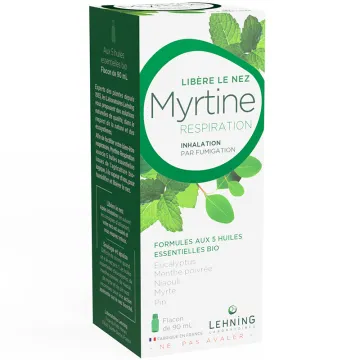
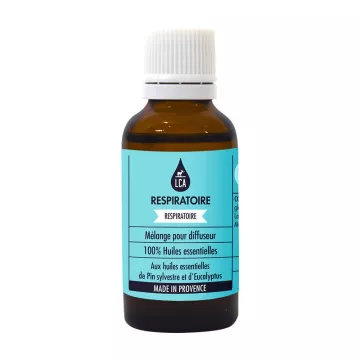
Respiratory congestion refers to the excessive buildup of mucus or secretions throughout the respiratory tract—from the upper airways (nose, pharynx, sinuses) to the lower airways (bronchi, bronchioles). It therefore encompasses a broader spectrum thanbronchial congestion, which specifically affects the bronchi. Nasopharyngitis with postnasal drip, sinusitis, or bronchitis can each cause respiratory congestion. Natural products for the respiratory tract are available in the Respiratory System line.
- Symptoms: nasal congestion — chest heaviness — productive cough with phlegm — wheezing — shortness of breath — mucus expectoration — fatigue due to respiratory effort — sleep disturbances
- Main causes: viral infections (common cold, flu, nasopharyngitis) — bacterial infections (bacterial bronchitis, purulent sinusitis) — respiratory allergies (pollen, dust mites) — asthma — chronic bronchitis — COPD — smoking — environmental irritants
- Humidity and temperature: Dry air from heating (<40% humidity) irritates the mucous membranes and thickens mucus—using a humidifier (40–60%) improves mucus fluidity and respiratory comfort — Sudden temperature changes (moving from cold outdoors to warm indoors) trigger a reflexive increase in mucus secretion — Covering your nose and mouth with a scarf outdoors in winter warms and humidifies the air you breathe in
- Seasonal changes: Fall and winter bring a concentration of triggers (circulating viral infections, dry air, cold) — spring adds pollen allergens — seasonal changes increase the frequency of respiratory congestion in vulnerable individuals
How can you relieve respiratory congestion naturally?
Hydration is key—drinking 1.5 to 2 L/day of lukewarm or hot liquids keeps mucus thin and facilitates its removal through mucociliary clearance. Steam inhalations (10 to 15 minutes, 2 to 3 times a day) directly moisturize the nasal and bronchial mucous membranes, thin the mucus, and relieve congestion. These simple measures are often sufficient for mild congestion caused by infections.
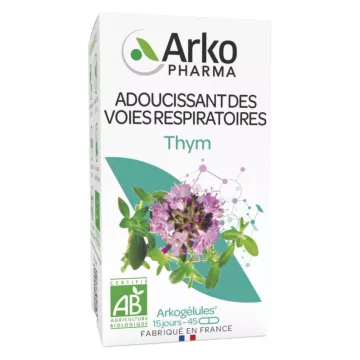
- Natural expectorants and mucolytics: thyme (thymol—expectorant, bronchial antispasmodic, and antiseptic—as a tea, 3 cups per day) — eucalyptus (1,8-cineole, which is mucolytic and decongestant—as an inhalation or infusion) — ginger (gingerols, which are anti-inflammatory for the respiratory tract—as a herbal tea with honey and lemon) — garlic (allicin, which is antibacterial and expectorant)
- Honey: soothes irritated mucous membranes, has mild antibacterial properties, and enhances the effects of herbal teas — 1 to 2 teaspoons in warm herbal tea — not recommended for children under 1 year of age — thyme or eucalyptus honey combines the properties of both
- Nasal irrigation: saline solution or seawater — mechanically removes mucus from the upper respiratory tract and reduces postnasal drip, which contributes to bronchial congestion — several times a day during nasopharyngitis — essential for infants (use a baby nasal aspirator after rinsing)
- Positioning and drainage: sleeping with the head slightly elevated (additional pillow) reduces nighttime nasal congestion and postnasal drip — for children, positioning them on their side helps drain nasal secretions
Diet, exercise, and prevention of respiratory congestion
Diet directly influences mucus production and viscosity. An anti-inflammatory diet rich in antioxidants strengthens the defenses of the respiratory mucosa and reduces reactive hypersecretion. Certain foods promote mucus production in some people (dairy products, ultra-processed foods, refined sugars)—cutting back on them during episodes of congestion can improve comfort.
- Beneficial foods: vitamin C (citrus fruits, kiwi, bell peppers—strengthens the respiratory mucous membranes)—zinc (squash seeds, legumes—a cofactor in antiviral defense)—omega-3 (fatty fish—anti-inflammatory for the mucous membranes)—garlic and onions (allicin, quercetin—antibacterial agents and natural antihistamines)—ginger and turmeric (natural anti-inflammatories for the respiratory tract)
- Physical exercise: Moderate physical activity improves lung capacity, stimulates mucociliary clearance, and boosts immunity—walking, yoga, and swimming are particularly suitable — during an acute episode with fever, reduce intensity — resume gradually after symptoms resolve — regular deep breathing (cardiac coherence, pranayama) improves ventilation of the distal lung areas
- Prevention: Frequent handwashing — annual flu vaccine + pneumococcal vaccine — smoking cessation — air humidification (40–60%) — Avoid irritants (pollution, strong fragrances, volatile chemicals) — Regularly ventilate indoor spaces (15 minutes twice a day) — Wear a face mask in winter