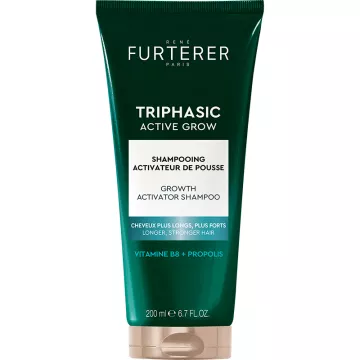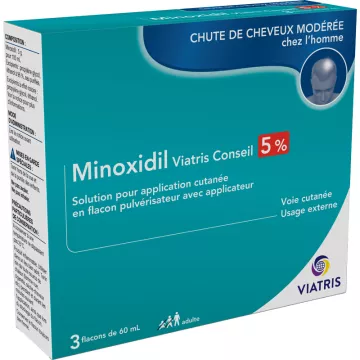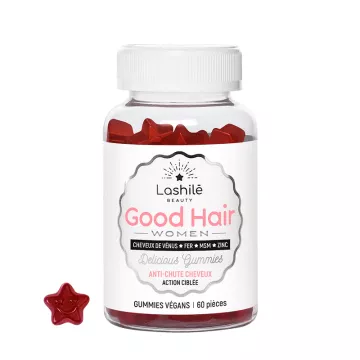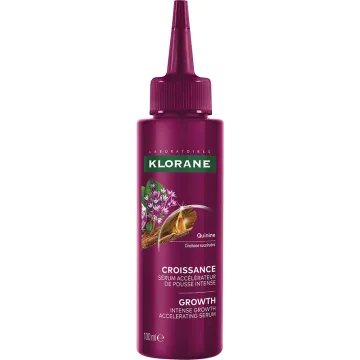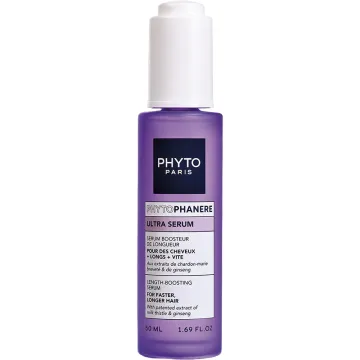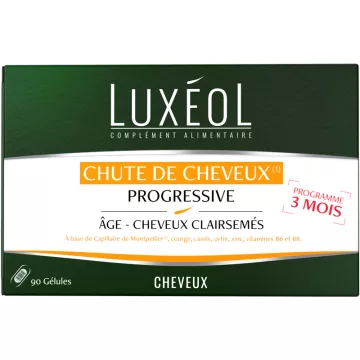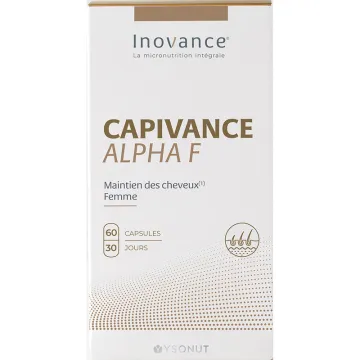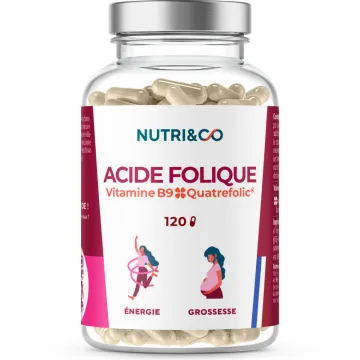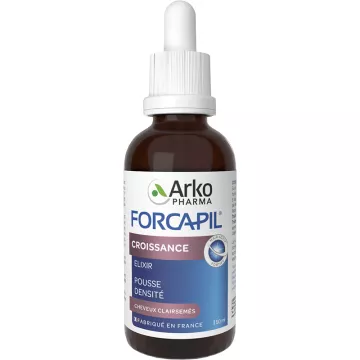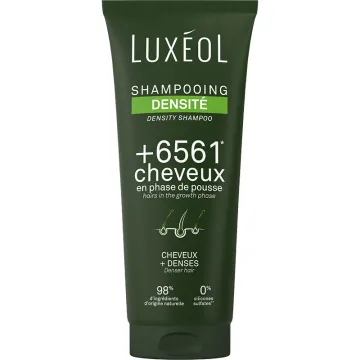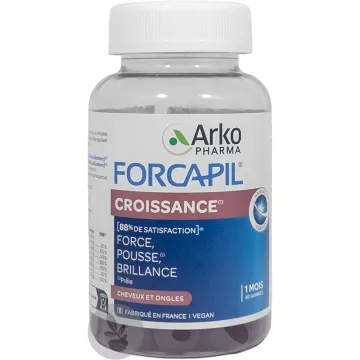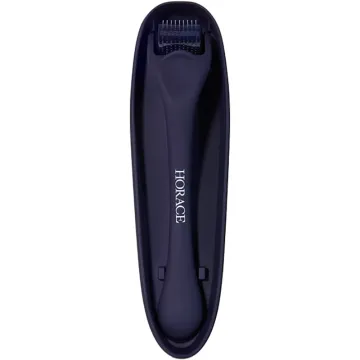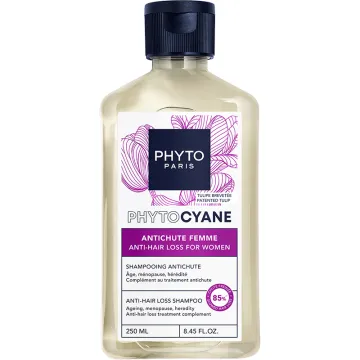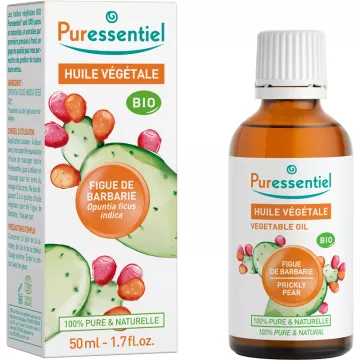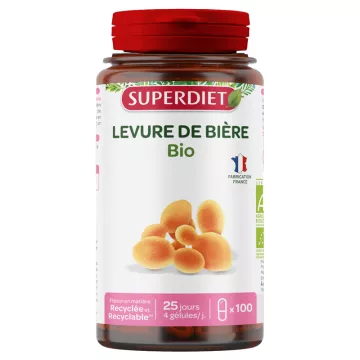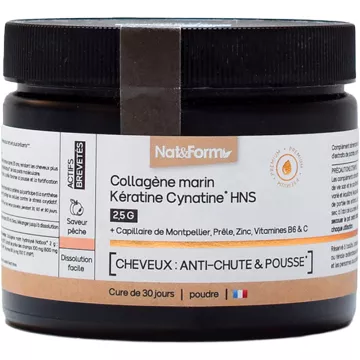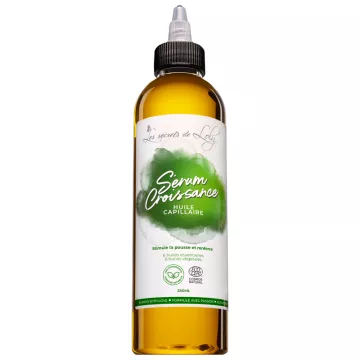
Before offering any advice, one thing is clear: hair grows at its own pace—about one centimeter per month—which is largely determined by genetics. No cosmetic product can truly speed it up. What we can do is create favorable conditions and, above all, minimize breakage, which gives the impression that hair isn’t growing. Combining a gentle hair care routine, a balanced diet, and patience is the only realistic approach. Shampoos and treatments enriched with biotin or vitamin E, as well as plant-based oils like castor oil, provide comfort and nourish the scalp without altering the rate of growth. For issues related to regrowth after hair loss, the approach has more to do with hair health and may require medical advice.
Understanding the hair growth cycle helps set realistic expectations. Each hair goes through three phases:
Most hairs are in the anagen phase at any given time. This cycle explains why hair length has a natural limit and why a disruption (such as stress or shock) can prematurely push many hairs into the resting phase, altering the appearance of the hair.
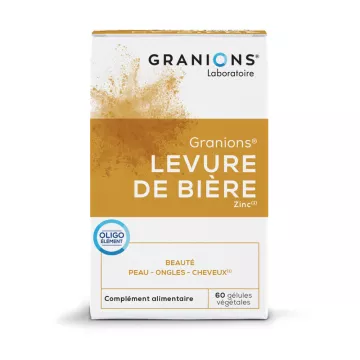
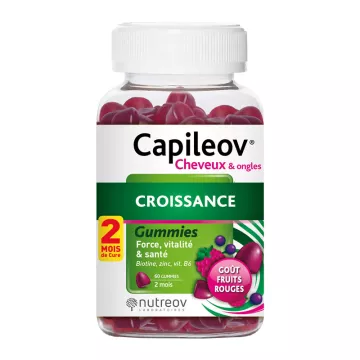
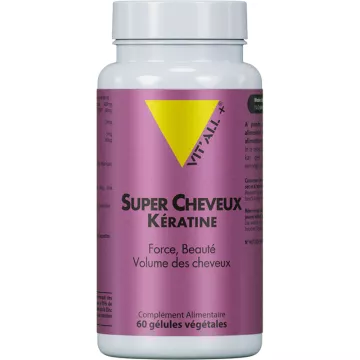
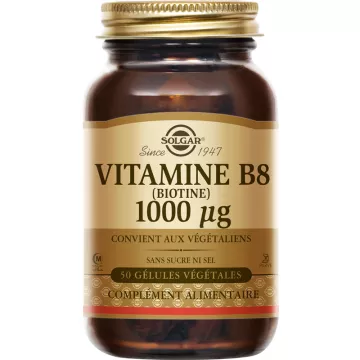
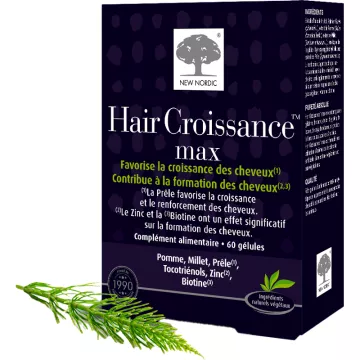
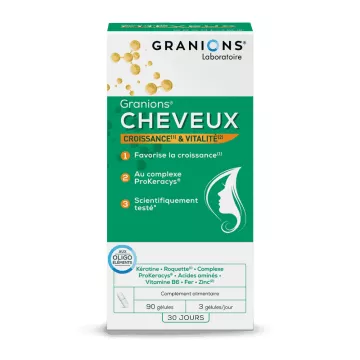
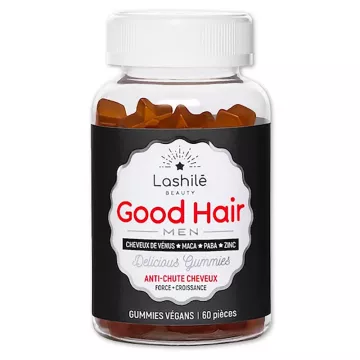
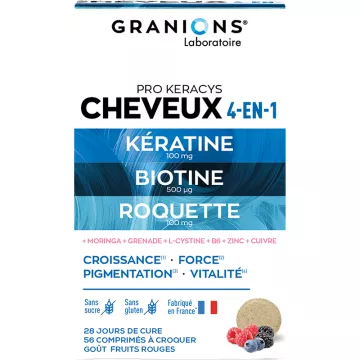
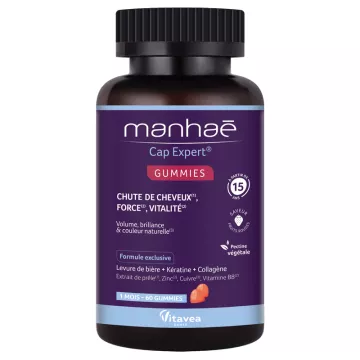
Diet provides the building blocks for hair fibers. Since hair is made of keratin, an adequate intake of protein is essential. Several micronutrients support hair health according to recognized claims: biotin and zinc contribute to the maintenance of normal hair; iron helps reduce fatigue; vitamin C contributes to normal collagen formation. A varied diet rich in fruits, vegetables, high-quality protein, and healthy fats remains the best foundation. Supplementation is only justified in cases of proven deficiency, ideally confirmed by testing: taking supplements without an actual deficiency provides no proven benefit for hair growth.
The scalp is the foundation of the hair: when it is healthy, clean, and balanced, it provides the best conditions for hair to thrive. Keeping it free from irritation and dandruff is therefore a good habit. Regular scalp massages provide a pleasant moment of relaxation and well-being. To care for your scalp, opt for gentle cleansing with a mild, suitable shampoo, and avoid excessively hot water and vigorous scrubbing. An uncomfortable scalp—one that itches or has persistent redness—warrants professional attention, as certain skin conditions can affect the appearance of your hair. Taking care of your scalp is a fundamental investment that complements the care you give your hair’s lengths.
The key to hair that “grows well” lies in preserving the lengths: hair that doesn’t break retains its length and appears to grow faster. Using gentle techniques makes all the difference: gently detangle with a wide-tooth comb, dry without rubbing, and limit the use of heat-styling tools. Nourishing treatments such as masks, oil treatments, or a regular conditioner coat the hair shaft and help prevent split ends. Traditional masks made with eggs or yogurt gently nourish without causing damage. Regularly trimming split ends prevents breakage from traveling up the hair shaft. These steps don’t affect the rate of hair growth, but they preserve the existing length, which leads to the same visible result: hair that gains and maintains its length.
Stress can disrupt the hair growth cycle and trigger telogen effluvium: many hairs prematurely enter the resting phase, leading to diffuse hair loss a few weeks later. This stress-induced hair loss is generally temporary. Meditation, yoga, physical activity, and quality sleep help maintain balance. Hormonal changes (pregnancy, postpartum, menopause, thyroid disorders) also influence the hair cycle, potentially slowing it down or altering the appearance of the hair. These situations require a medical diagnosis: if a hormonal imbalance is suspected, an endocrinologist or dermatologist can confirm the diagnosis and recommend appropriate treatment. Healthy hair often reflects overall balance, which explains why general well-being directly influences the appearance of the hair.
Excessive use of harsh styling products—those high in sulfates or drying alcohols—can weaken the hair shaft and irritate the scalp, leading to breakage that slows down hair growth. It’s best to opt for gentle, sulfate-free formulas and limit the use of heat styling tools (straighteners, curling irons) that damage keratin. This doesn’t actually “slow down” growth at the root, but it damages the lengths of the hair to the point where it gives that impression. To revitalize your hair, reduce chemical treatments (coloring, straightening), use intensive nourishing treatments, and trim split ends regularly. For chronic hair loss or a loss of density, however, cosmetic treatments alone are not enough: medical advice is necessary to identify the cause and consider a supervised treatment plan, as cosmetic treatments are merely a comforting adjunct.