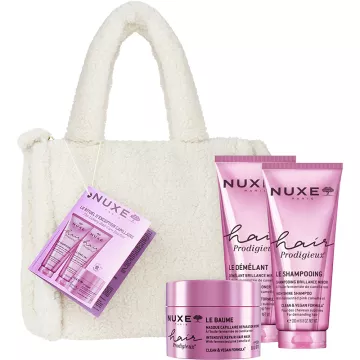
Hair refers to the strands that cover the scalp. Beyond its aesthetic aspect, it serves biological functions: it protects the skull from UV rays and helps regulate temperature fluctuations. But its role is also deeply social and tied to identity: hair contributes to self-image, personal expression, and how others perceive us, which explains the attention we pay to it. Taking care of your hair, therefore, means both preserving the health of the hair shaft and maintaining an attractive appearance. Since every head of hair is unique in texture, density, and color, hair care benefits from being personalized. Understanding your hair type is the first step toward an effective and tailored hair care routine.
Maintaining healthy hair relies on a few simple but consistent principles:
A suitable conditioner and regular care help maintain softness and shine. Healthy hair is built over time through consistency rather than occasional intensive treatments.
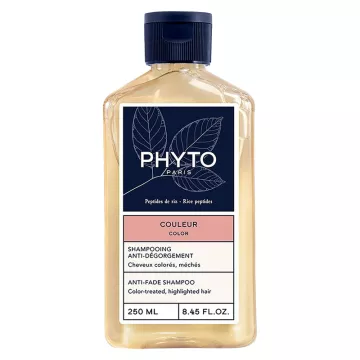
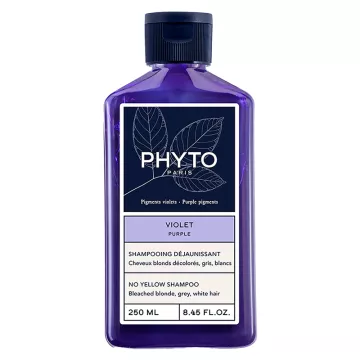
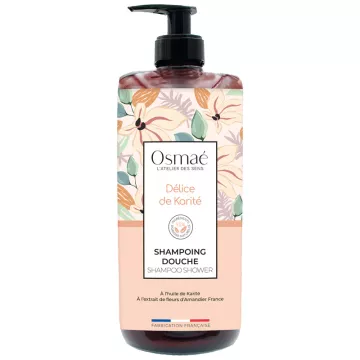
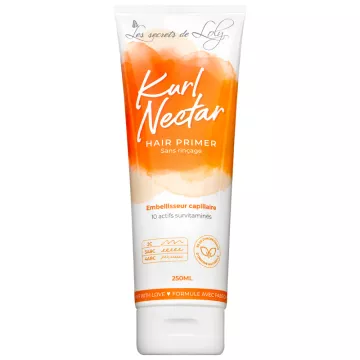
Choosing the right products depends first and foremost on your hair type and its specific needs. Dry hair requires nourishment and hydration; oily hair needs purifying and regulating formulas; color-treated hair needs color protection; and damaged hair needs coating and repairing treatments. Identifying your hair type (dry, oily, combination, colored, curly) guides you toward treatments that are truly beneficial and helps you avoid unsuitable products that can worsen imbalances. Reading the INCI list helps you identify ingredients to prioritize or avoid. If you’re unsure, seeking professional advice or a hair analysis can help narrow down your choices. The golden rule: a product is only “good” if it meets your hair’s actual needs—using a purifying treatment on dry hair, or vice versa, would yield disappointing results. Curly hair, for example, requires very specific care.
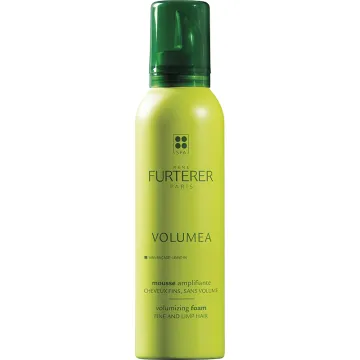
The difference between fine and thick hair lies in the diameter of each strand, a trait that is largely genetic. Fine hair, with a smaller diameter, is more delicate, gets weighed down easily, and may lack volume: it benefits most from lightweight, volumizing treatments that don’t weigh it down. Thick hair, with a larger diameter, is stronger and more voluminous, but can sometimes be harder to manage and more prone to frizz: it can handle richer, more nourishing products. It’s important to note that fine hair isn’t necessarily fragile, nor is thick hair necessarily healthy: fine hair can be strong, and thick hair can be damaged. Each type requires specific products and care routines to optimize the hair’s appearance and health, without attempting to alter a natural texture that is largely determined at birth.
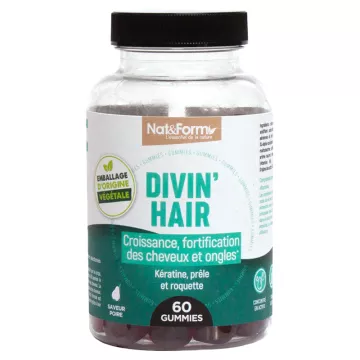
Diet influences hair quality. Several nutrients contribute to this: protein (hair is made of keratin), biotin (found in eggs), iron (spinach), zinc (dried fruit), as well as vitamins A, B, C, D, and E. Zinc, selenium, and biotin help maintain normal hair, while iron helps reduce fatigue. A varied and balanced diet meets most of these needs. However, the idea of “stimulating growth” through diet should be qualified: while we cannot accelerate hair growth—which is largely genetically determined—good nutrition helps prevent deficiencies that can weaken the hair. Supplements are only justified in cases of proven deficiency—ideally confirmed by a medical evaluation—rather than as a routine preventive measure.
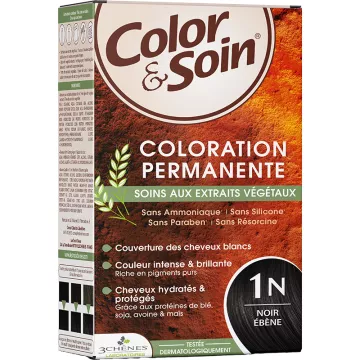
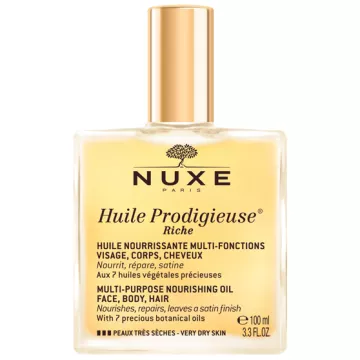
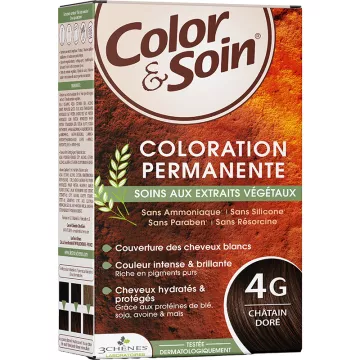
Heat-styling tools (hair dryers, straighteners, curling irons) and chemical treatments are among the main causes of hair damage. To minimize heat damage, always apply a heat protectant before using any heat-styling tool: it forms a barrier that reduces breakage and dehydration. Space out the use of heat tools and opt for air-drying whenever possible. When it comes to coloring, you can dye your hair without causing too much damage by choosing gentle, ammonia-free formulas and spacing out color treatments. In any case, regularly nourishing the hair shaft with masks or oils and using products designed for color-treated hair helps maintain hydration and shine. Prevention remains the best strategy: preserving healthy hair is better than repairing damaged hair, since structural damage to the hair is irreversible.
Hair loss can have many causes: stress, hormonal imbalances, nutritional deficiencies, certain illnesses, harsh hair treatments, or medical treatments such as chemotherapy. Depending on the cause, hair loss may be reactive and temporary, or more long-lasting. Treatment approaches often fall within the medical realm: while so-called anti-hair-loss shampoos can provide some relief, solutions such as hair transplants or laser treatments are medical procedures or devices that require the advice and follow-up of a specialist. Significant, sudden, diffuse, or unusual hair loss warrants a consultation with a dermatologist, who can make an accurate diagnosis, investigate hormonal or nutritional causes, and recommend appropriate treatment. No cosmetic product can replace this professional advice. To promote regrowth after reactive hair loss, maintaining a healthy scalp remains the best foundation.