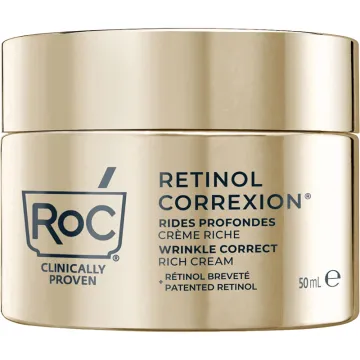
What are deep wrinkles, and how do they form?
Deep wrinkles are pronounced, permanent skin folds that differ from superficial, temporary fine lines. They result from structural loss in the skin and a gradual sagging of the subcutaneous tissues. Most commonly affected areas: nasolabial folds, frown lines (between the eyebrows), forehead wrinkles, marionette lines (corners of the mouth), and neck wrinkles.
Several combined mechanisms lead to deep wrinkles:
- A structural decline in collagen (–1% per year after age 25–30) and elastin, which maintain theskin’s firmness andelasticity.
- Loss of dermal hyaluronic acid, which hydrates and supports the extracellular matrix.
- Sagging of subcutaneous fat tissue and loss of volume.
- Repetitive facial expressions that gradually carve out the skin in expression lines.
- Photoaging due to cumulative UV exposure (the primary extrinsic factor; see cutaneous photoaging).
- Smoking, the primary preventable accelerator: impaired microcirculation, accelerated degradation of dermal fibers.
- Glycation due to chronic excess of fast-acting sugars (formation of AGEs, which stiffen dermal fibers).
- Hormones: menopause in women, with a loss of up to 30% of collagen in the first 5 years after menopause.
- Gravity, which exacerbates sagging over the years.
- Genetics: individual predispositions regarding collagen quality and the rate at which it ages.
What are the best ingredients for reducing deep wrinkles?
Several well-documented active ingredients can reduce the appearance of deep wrinkles, though they cannot completely erase them:
- Retinol: the most extensively studied anti-aging active ingredient. Stimulates cell turnover and collagen synthesis. Photosensitizing: apply only at night; use SPF in the morning. Start gradually (2–3 times a week) to minimize “retinization.” Cosmetic retinol is contraindicated during pregnancy and breastfeeding as a precaution; medical retinoids (tretinoin, isotretinoin) are strictly teratogenic.
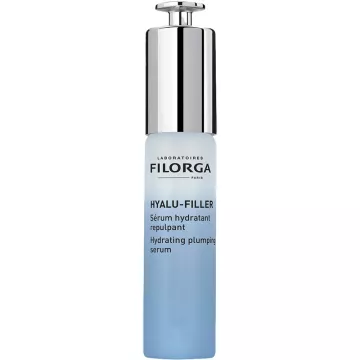
- Hyaluronic acid: deep hydration and plumping effect. Different molecular weights to target the surface or deeper layers. Particularly effective when combined with other structuring active ingredients.
- Topical vitamin C (10–20% L-ascorbic acid or stable derivatives): a major antioxidant and cofactor in collagen synthesis (hydroxylation of proline and lysine). Opaque, airtight packaging to preserve stability.
- Signalingpeptides (Matrixyl, Argireline, copper peptides): modulate cellular repair and remodeling pathways. Moderate but cumulative effects.
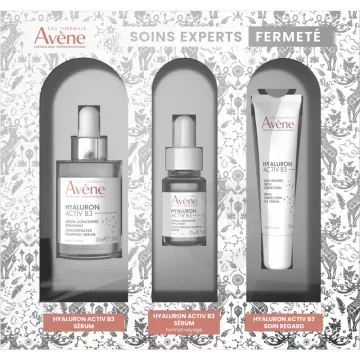
- Niacinamide (vitamin B3, 5–10%): supports the skin barrier, reduces redness and dark spots, and is compatible with most active ingredients.
- Centella asiatica (madecassoside, asiaticoside): promotes regeneration and supports collagen synthesis.
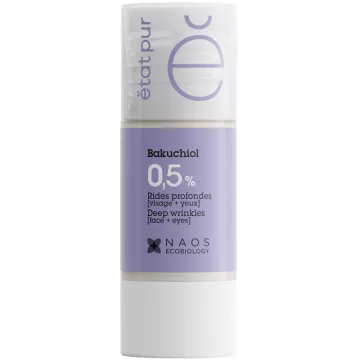
- Bakuchiol: a botanical alternative to retinol, suitable for sensitive skin and during pregnancy (as advised).
- Vitamin E, coenzyme Q10, polyphenols: complementary antioxidants.
- Ceramides, cholesterol, essential fatty acids: restore the skin barrier, which is often weakened in mature skin.
For deep, established wrinkles, these active ingredients reduce their appearance and support the skin’s overall health, without replicating the effects of a cosmetic procedure.
How can you prevent the appearance of deep wrinkles?
Prevention is the most powerful tool, especially since it acts before deep wrinkles set in:
- Daily broad-spectrumSPF 30 to 50 sun protection, summer and winter, even on cloudy days: the best-documented anti-aging practice. UV rays are responsible for 80 to 90% of visible extrinsic aging.
- Topical and internal hydration: creams suited to your skin type, and regular water intake throughout the day.
- Antioxidant-rich diet: fruits, colorful vegetables, nuts, fatty fish, and high-quality proteins. Limit simple sugars (glycation) and ultra-processed foods.
- Quit smoking and limit alcohol consumption: these are the primary preventable factors.
- Regular, high-quality sleep: 7 to 9 hours; cellular regeneration occurs primarily during deep sleep.
- Stress management: a trigger for chronic systemic inflammation.
- Regular physical activity: supports microcirculation and overall skin health.
- A consistent skincare routine starting in your late twenties, with targeted active ingredients and systematic sun protection.
- Limit exaggerated facial expressions and prolonged wear of ill-fitting glasses.
The earlier you start, the more you can reduce the future appearance of deep wrinkles. But it’s never too late: at any age, a consistent routine provides measurable benefits.
Are natural remedies effective against deep wrinkles?
Natural active ingredients provide cosmetic support, though they do not match the performance of targeted active ingredients proven effective against deep wrinkles:
- Rosehip oil: rich in essential fatty acids (omega-3, omega-6) and provitamin A (natural trans-retinoic acid). Known for its effect on skin regeneration.
- Argan oil: vitamin E and unsaturated fatty acids; nourishing and antioxidant properties.
- Jojoba: a liquid wax similar to human sebum, perfectly biocompatible.
- Aloe vera: moisturizing and soothing.
- Honey: humectant properties to lock in moisture in the skin.
- Green tea: powerful antioxidants (polyphenols, catechins).
- Cornflower, helichrysum, and rosehydrosols: gentle, refreshing toners.
These approaches complement a targeted skincare routine without replacing it. For deep, established wrinkles, they work alongside proven active ingredients (retinol, vitamin C, peptides) without replacing them.
What professional treatments are available for deep wrinkles?
For deep, established wrinkles, aesthetic medicine procedures offer more noticeable results than cosmetics alone:
- Type A botulinum toxin injections: temporarily relax the muscles responsible for expression lines (forehead, glabella, crow’s feet). Lasts 3 to 6 months. Available only by strict medical prescription.
- Hyaluronic acid dermal fillers: restore volume and fill deep furrows (nasolabial folds, marionette lines). Results last 6 to 18 months depending on the area and product. Reversible with hyaluronidase if needed.
- Superficial (AHA, salicylic, mandelic), medium (15–25% TCA, Jessner’s), or deep (high-concentration TCA, phenol)chemical peels. Stimulate skin renewal and collagen synthesis.
- Non-ablative or ablativefractional lasers: deep remodeling of the dermis.
- Radiofrequency and HIFU (high-intensity focused ultrasound): tightening effect on the deep layers.
- Microneedling in a medical office: stimulation through controlled micro-perforations.
- Absorbable thread lifts: temporary lifting effect (12–18 months).
- PRP (platelet-rich plasma): self-injection of growth factors.
- Cosmetic surgery (facelift): for significant structural changes.
A preliminary consultation with a dermatologist or cosmetic physician allows for an assessment of indications, contraindications, expectations, and budget. Verify the practitioner’s qualifications (registration with the medical board, specialized training).
The Importance of a Daily Skincare Routine for Deep Wrinkles
For deep wrinkles, a skincare routine maintains and supports skin health, though it cannot erase established wrinkles. Sample routine:
- Morning: gentle cleanser → antioxidant serum (vitamin C, niacinamide) → moisturizer → SPF 30–50 sunscreen.
- Evening: gentle cleanser → targeted active ingredient (retinol with a gradual introduction or AHA, used alternately) → rich, nourishing moisturizer suited to your age and skin type.
- 1–2 times a week: hydrating or targeted mask, gentle chemical exfoliation (AHA, BHA, or PHA, depending on skin type).
- Specialized treatments: dedicated eye contour care, neck and décolletage care, hand care.
Consistency remains the most important factor. To support this routine, check out our anti-wrinkle creams and anti-aging sets.
How do you choose the right anti-wrinkle products for your skin?
Several factors guide your choice:
- Skin type: dry (rich textures, ceramides, AH, precious oils), combination (gel-creams, lotions), oily (non-comedogenic formulas, gel textures, niacinamide), sensitive (denatured alcohol-free, fragrance-free, hypoallergenic).
- Main concern: forehead wrinkles, frown lines, nasolabial folds, loss of firmness, loss of elasticity, associated dark spots, sagging facial contours.
- Age group and hormonal context (premenopause, menopause).
- Documented active ingredients and appropriate concentrations: well-measured retinol, stabilized vitamin C, bioactive peptides, moderate AHAs.
- Compatibility with current skincare routine: avoid layering irritating active ingredients.
- Transparent formulation: active ingredients listed at the beginning of the INCI list, opaque packaging for sensitive active ingredients, fragrance allergens listed.
- Publishedreviews and clinical studies rather than mere marketing claims.
- Seekprofessional advice from a pharmacist or dermatologist if in doubt, if you have sensitive skin, or if your skincare routine is complex.
What common mistakes should you avoid?
Several pitfalls can compromise results:
- Skipping sun protection: without it, UV rays continue to break down collagen faster than it can be synthesized. This is the first pitfall to avoid.
- Overusing potent active ingredients: too much retinol or AHA, or combining irritating active ingredients. This can damage the skin barrier, leading to hypersensitive skin and persistent redness.
- Combining retinol and AHAs/BHAs on the same night: almost guaranteed to cause irritation.
- Ignoring hydration: Even oily skin needs hydration to support the skin barrier.
- Lacking patience: anti-aging ingredients take 12 to 24 weeks to show results, not just a few days.
- Changing your routine too often: Give the active ingredients time to work before judging their effectiveness.
- Ignoring lifestyle factors: sleep, diet, sun protection, stress management, and quitting smoking are essential complementary measures.
- Believing in “miracle” promises of immediate plumping or permanent wrinkle removal.
- Mixing strong active ingredients carelessly with other skincare products or professional treatments (peels, lasers, recent injections).
Are anti-wrinkle products suitable for all skin types?
Yes, provided the formulation is adapted:
- Dry skin: rich textures (ceramides, hyaluronic acid, butters, and precious oils such as rosehip, argan, and jojoba).
- Combination skin: balanced textures, applied differently depending on the area.
- Oily skin: non-comedogenic formulas, gel or fluid textures; niacinamide is recommended; retinol should be introduced gradually.
- Sensitive or reactive skin: free of denatured alcohol and fragrance; hypoallergenic. Gentle active ingredients (peptides, bakuchiol, niacinamide, hyaluronic acid). Start very gradually.
- Skin with couperose or rosacea: Avoid strong retinoids and harsh AHAs. Prioritize centella, niacinamide, peptides, and hyaluronic acid.
- Pigmented skin (phototypes IV to VI): Use irritating active ingredients with caution to avoid the risk of post-inflammatory hyperpigmentation.
- Mature, postmenopausal skin: active ingredients that target firmness and elasticity, cosmetic phytoestrogens, peptides, barrier support, and lipid nutrition.
When is the right time to start using anti-wrinkle skincare?
There are several relevant timeframes depending on your goals:
- Adolescence to age 20–25: daily SPF 30–50 sun protection, hydration, gentle cleansing. The first documented anti-aging step.
- Ages 25–30: Add topical antioxidants (vitamin C, niacinamide), intensive hydration, and initial firming treatments.
- Ages 30–35: Gradual introduction of cosmetic retinol, hyaluronic acid serums, and peptides. This is the period when collagen production begins to decline, and a well-structured routine offers the greatest long-term benefits for preventing deep wrinkles.
- Ages 40–50: More potent active ingredients, richer textures, and cosmetic hormonal support during perimenopause and menopause.
- Over 50: Nourishing creams, barrier support, active ingredients targeting firmness and elasticity, and possible use of medical aesthetic procedures.
Early use of sun protection and antioxidants remains the most effective strategy. For deep wrinkles that have already formed, a skincare routine maintains and supports skin quality; medical procedures can provide more visible improvements.
Is a single cream enough, or should products be combined?
For deep wrinkles, a well-coordinated combination of products yields the best results:
- A serum with targeted active ingredients applied before the cream: enhanced penetration, higher concentration of active ingredients (retinol, vitamin C, peptides, hyaluronic acid, depending on the time of day).
- A cream suited to your skin type, rich in structuring agents (ceramides, essential fatty acids).
- Sun protection every morning—non-negotiable.
- Specific care for the eye area, neck, décolletage, and hands.
- Moderate exfoliation 1 to 2 times a week to optimize the penetration of active ingredients.
- Targeted masks 1 to 2 times a week as a treatment course.
- Dietary supplements as needed: hydrolyzed collagen, omega-3, antioxidants (as advised by a pharmacist).
The key is overall consistency, not overloading your routine. A simple routine that’s maintained over the long term is better than a sophisticated routine that isn’t followed through.
Are at-home skincare devices effective?
Several at-home devices can complement your skincare routine:
- LED masks (primarily red light, sometimes combined with near-infrared): moderate collagen stimulation with regular use, cumulative effects.
- Microcurrents: toning of superficial muscles, temporary effect on firmness.
- Gentle cosmetic ultrasound: promotes the penetration of serums.
- At-home microneedling (dermarollers): not recommended without training; risk of infection, scarring, and hyperpigmentation. Microneedling should only be performed in a medical office using sterile needles and a strict protocol.
- Vibrating devices, jade rollers, gua sha: effects on local circulation and serum penetration; modest structural effect on deep wrinkles.
- Cleansing brushes: improve cleansing; use gently to avoid damaging the skin barrier.
These devices complement your skincare routine without replacing it, and do not provide the same results as professional in-office treatments.
What are the possible side effects of anti-wrinkle products?
Possible side effects, generally associated with potent active ingredients:
- Redness and irritation when first using retinol (“retinization”), along with AHAs/BHAs and highly concentrated vitamin C.
- Temporarydryness and tightness.
- Peeling in cases of overdose or over-exfoliation.
- Increased sensitivity to UV rays with photosensitizing active ingredients (retinol, AHAs, BHAs, and some forms of vitamin C).
- Temporary worsening of acne at the start of treatment (“purge”).
- Allergic reactions to certain ingredients (fragrance, preservatives).
- Reactivation of couperose or rosacea in predisposed skin.
- Damage to the skin barrier in cases of chronic overuse: hypersensitive skin, persistent redness.
To minimize risks: start gradually (1–2 times per week, then increase frequency); do not combine strong active ingredients on the same night; moisturize consistently before and after use; use daily sun protection; discontinue use and consult a professional if a severe or persistent reaction occurs.