Rosacea is a common chronic skin condition. A good understanding of its triggers and a tailored skincare routine can help reduce its symptoms over the long term. A consultation with a dermatologist remains essential for establishing a diagnosis and developing a personalized treatment plan.
Rosacea is characterized by persistent redness accompanied by small, dilated blood vessels visible on the skin’s surface, known as telangiectasias. It typically affects the cheeks, nose, chin, and forehead. Clinically, couperose represents the erythematotelangiectatic subtype of rosacea, a broader chronic skin condition that can also present in papulopustular forms (inflammatory bumps), phymatous forms (rhinophyma = thickening of the nose), or ocular forms.
Couperose is common in fair-skinned individuals (phototypes I and II) between the ages of 30 and 50, and is more common in women (though it also occurs in men, sometimes in more severe forms due to a later diagnosis). It should not be confused with acne, transient erythema, or simply sensitive skin.
The exact causes remain multifactorial and not fully understood. Several mechanisms are involved:
The triggers for flare-ups are well identified: sun exposure (a major trigger), sudden temperature changes, wind, chronic stress, alcohol (a vasodilator), very hot or spicy foods, certain irritating cosmetics (denatured alcohol, fragrances, harsh exfoliants), and vasodilator medications.
Prevention aims to limit exposure to triggers and protect the skin barrier:
Treatment for rosacea should be discussed during a dermatology consultation. Several options are available, often used in combination:
Self-medication is not recommended for rosacea: certain vasodilator creams, prolonged use of topical corticosteroids, or unsuitable cosmetics can worsen redness and telangiectasias. A dermatology consultation allows for a diagnosis and the development of a personalized treatment plan.
A few simple steps can provide long-lasting relief:
A genetic component has been documented. A family history of rosacea or couperose is a recognized risk factor. However, transmission is not simple Mendelian inheritance: it is a multifactorial predisposition that arises from the interplay of genetics, the environment (UV exposure, climate, lifestyle), and other factors. Having a parent with the condition increases the risk but does not make it certain.
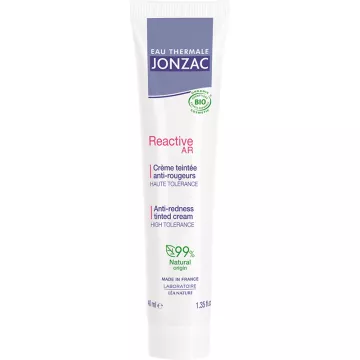
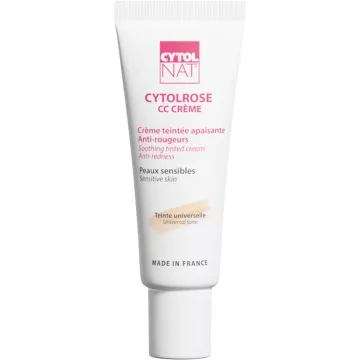
Yes, the right makeup caneven out the complexion and conceal redness. Here are a few tips:
Yes. Although rosacea is diagnosed more frequently in women, men are also affected. In men, the condition can be more severe, partly due to often delayed diagnosis and a higher prevalence of rhinophyma (progressive thickening of the nose caused by sebaceous gland hypertrophy), a phymatous form of rosacea requiring specialized dermatological care.
Alcohol is a cutaneous vasodilator, which causes increased redness and the appearance of dilated blood vessels in people with couperose. Certain strong alcoholic beverages (red wine, spirits) are particularly likely to trigger flare-ups. Limiting or avoiding alcohol consumption is an effective way to reduce the frequency of flare-ups. Note: Alcohol does not “cause” rosacea—the link between alcohol and rhinophyma is a common misconception; alcohol worsens existing symptoms but is not a direct cause.
Rosacea is a chronic condition that tends to gradually worsen if left untreated, with a risk of progressing to more pronounced telangiectasias and, in some cases, to other forms of rosacea (papulopustular). It generally does not go away on its own, but appropriate treatments and good skin care can help control its symptoms over the long term.
Yes, chronic stress is a recognized trigger for flare-ups of redness. It acts by activating the sympathetic nervous system and releasing vasodilator mediators. Stress management techniques—meditation, yoga, deep breathing, walking outdoors, and regular moderate physical activity—can help reduce the frequency and intensity of episodes. Certain adaptogenic or soothing herbs (Rhodiola, hawthorn, passionflower) are traditionally used; these should be chosen based on professional advice.
Gentle, moderate physical activities are beneficial: walking, yoga, Pilates, swimming (in water that isn’t too hot), and moderate-intensity cycling. Avoid or adjust: intense endurance sports in high heat, very hot and humid environments (saunas, hot baths), and sudden, strenuous exertion that causes marked facial redness. Remember to apply sunscreen before any outdoor exercise and to cool your face with lukewarm water after working out.
No, rosacea is not contagious. It is a condition related to the skin’s vascular and inflammatory reactivity, not an infectious disease. It cannot be transmitted from person to person.
Certain foods can trigger or worsen flare-ups:
Conversely, a varied diet rich in antioxidants, omega-3s (fatty fish, flaxseed, chia seeds, nuts), and fiber supports overall skin health. Keeping a food diary to identify your personal triggers remains the most effective approach.
Intense heat causes significant skin vasodilation and is a common trigger for flare-ups. It is generally not recommended to use saunas, steam rooms, or very hot baths if you have rosacea. Opt for lukewarm showers (moderate skin temperature), ending with a splash of cool water if possible to temporarily constrict the blood vessels, and avoid vigorous rubbing when drying off.
This article is for informational purposes only. The management of couperose and rosacea requires a consultation with a dermatologist, who can make a differential diagnosis and develop a treatment plan tailored to your skin type, age, and medical history.