What are blood vessels, and how are they structured?
Blood vessels form the network of channels through which blood circulates throughout the body. They are divided into three main categories with distinct structures and functions, forming a closed circuit approximately 100,000 km in total length in adults. Vascular support products are available in the store’s venous circulation and cardiovascular health sections.
- Arteries: carry oxygenated blood from the heart to the organs (exception: pulmonary artery) — thick, elastic wall (three layers: intima/media/adventitia) — high pressure (systolic blood pressure) — primary function: distributing blood and dampening cardiac pulsations (Windkessel effect)
- Capillaries: vessels with a very small diameter (5–10 µm) — a single layer of endothelial cells — site of gas exchange (O₂/CO₂), nutrient and hormonal exchange between blood and tissues — microcirculation — their dysfunction is a key factor in complications of diabetes andhypertension
- Veins: return of deoxygenated blood to the heart — thinner and less elastic walls — low pressure — anti-reflux valves (lower limbs) — see venous circulation
- Endothelium: a single layer of cells lining the lumen of all blood vessels — regulates vascular tone (NO — nitric oxide) — antithrombotic properties — the first organ affected by hypertension, diabetes, and smoking (endothelial dysfunction → early stage ofatherosclerosis)
What factors damage blood vessels, and how can they be protected?
- High blood pressure: chronic mechanical stress on arterial walls → micro-lesions of the endothelium → LDL infiltration → atherosclerosis — the leading preventable cause of vascular disease
- Hypercholesterolemia (high LDL): deposition of oxidized cholesterol in the intima → atherosclerotic plaque → arterial stenosis → risk of heart attack and stroke
- Diabetes: glycation of proteins in the vascular wall — microangiopathy (retinal and renal capillaries) and macroangiopathy (coronary and femoral arteries) — accelerates atherosclerosis
- Smoking (Tobacco Info Service: 3989): LDL oxidation, severe endothelial dysfunction, vascular spasm, increased thrombogenicity — the leading modifiable risk factor for arterial disease
- Vascular screening: lipid profile (LDL, HDL, TG) — fasting blood glucose — blood pressure measurement — carotid Doppler ultrasound (intima-media thickness) — lower extremity arterial Doppler ultrasound (LEA) — CT angiography or angiography — ECG — performed by the physician based on the risk profile
How can you protect your blood vessels naturally?
- Vascular-protective diet: reduce saturated fats (lowers LDL) — omega-3 EPA-DHA (fatty fish 2–3 times/week — endothelial anti-inflammatories + lowers TG — EFSA claim) — polyphenols (berries, olives, cocoa — protect the endothelium by stimulating NO synthase) — soluble fiber (oats, legumes — bind intestinal cholesterol) — salt < 5 g/day (WHO)
- Physical activity: 150 min/week (WHO) — improves endothelial function, lowers blood pressure, increases HDL — regular exercise is the most potent stimulator of endothelial NO
- Ginkgo biloba: improves microcirculation (capillaries and arterioles) — inhibits platelet aggregation — protects the endothelium from oxidative damage — contraindicated with anticoagulants and antiplatelet agents
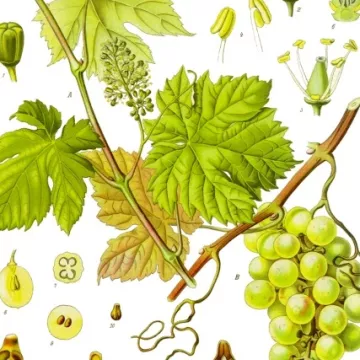
- Red vine: vasoprotective OPCs — strengthens the walls of venous and capillary blood vessels — well-established use as an EMA — see blood circulation