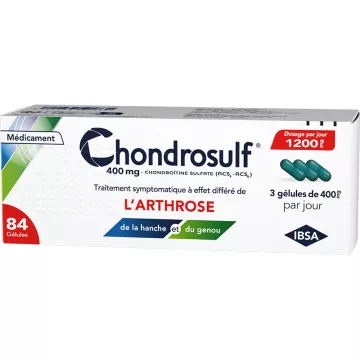

A chronic condition is a long-term illness that progresses gradually over time and can generally be managed, but rarely cured completely. Diabetes,high blood pressure, andasthma are among the most common examples, all of which require regular medical follow-up and long-term management. Symptoms vary considerably depending on the condition, but frequently include persistent fatigue, chronic pain, changes in appetite or weight, and changes in mood or behavior related to the psychological burden of the illness—monitoring these signs allows for proactive adjustments to treatment.
Management is based on several complementary pillars:
Technological tools (tracking apps, connected devices such as glucose meters or fitness trackers) now facilitate accurate self-monitoring and more precise real-time treatment adjustments.
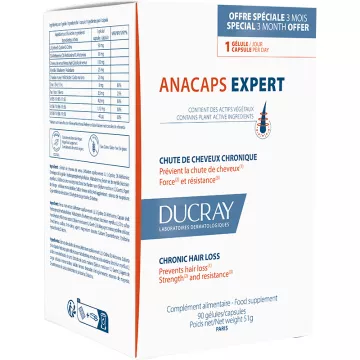
When facing a long-term illness, stress, anxiety, and low morale are common—appropriate psychological support (therapy, support groups) builds resilience and promotes better adaptation to daily life. In terms of lifestyle, certain natural supplements can support the body in addition to medical care: magnesium bisglycinate (300 mg/day) helps reduce fatigue, and omega-3 EPA-DHA supports cardiovascular health—always with the referring doctor’s approval, as some supplements may interact with current treatments. Regular meditation helps manage the chronic stress associated with the disease and improves overall quality of life.
Preventing avoidable chronic conditions relies on a balanced diet, regular physical activity, quitting smoking, and stress management, supplemented by regular health checkups to facilitate early detection. In the workplace, communicating with your employer often makes it possible to adjust your workstation (flexible schedules, ergonomic adjustments)—the law protects the rights of workers with chronic illnesses. To manage associated costs, checking with your health insurance provider and specific patient assistance programs can help optimize healthcare spending in the long term.